
Project completion: 2018
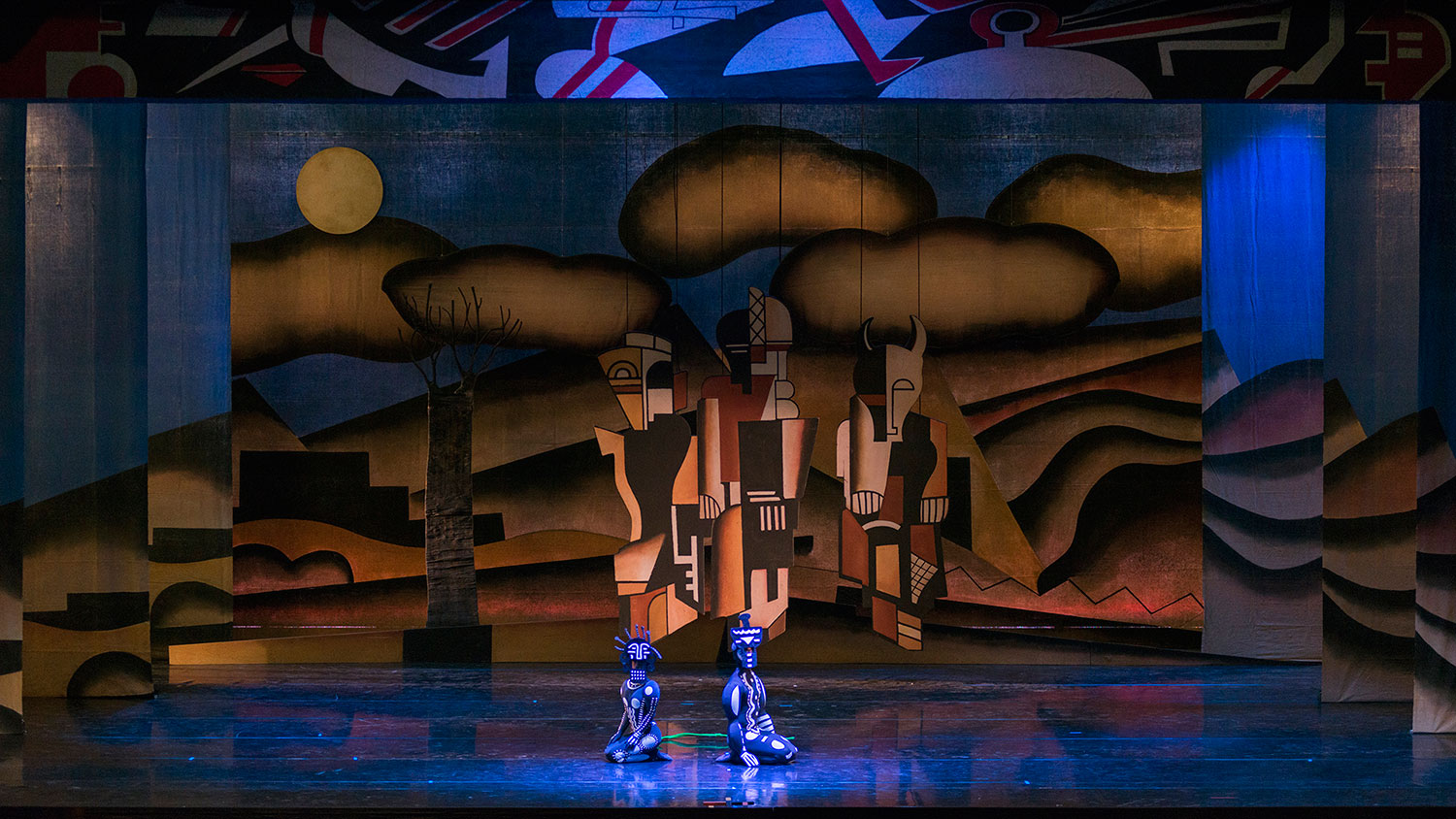
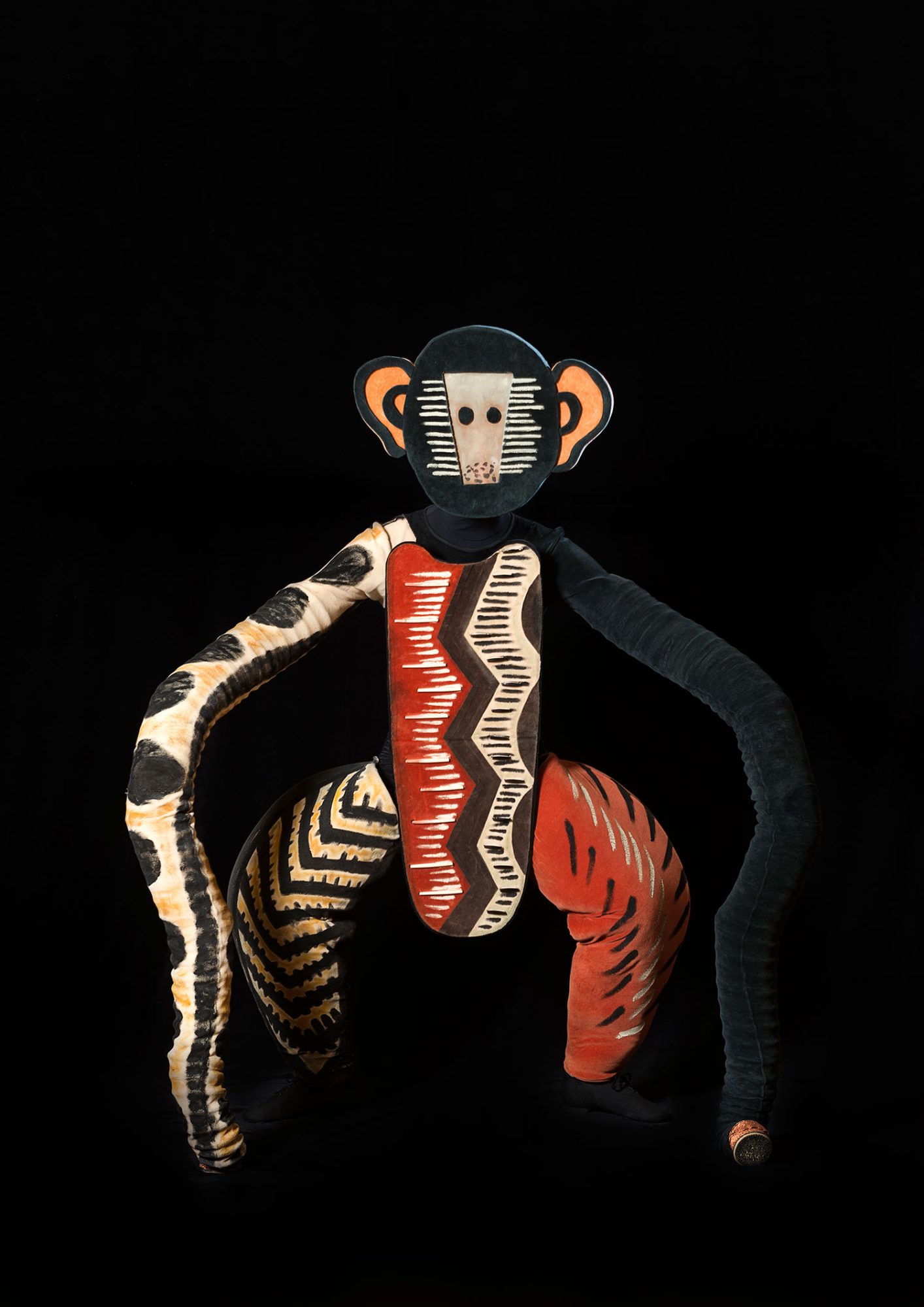
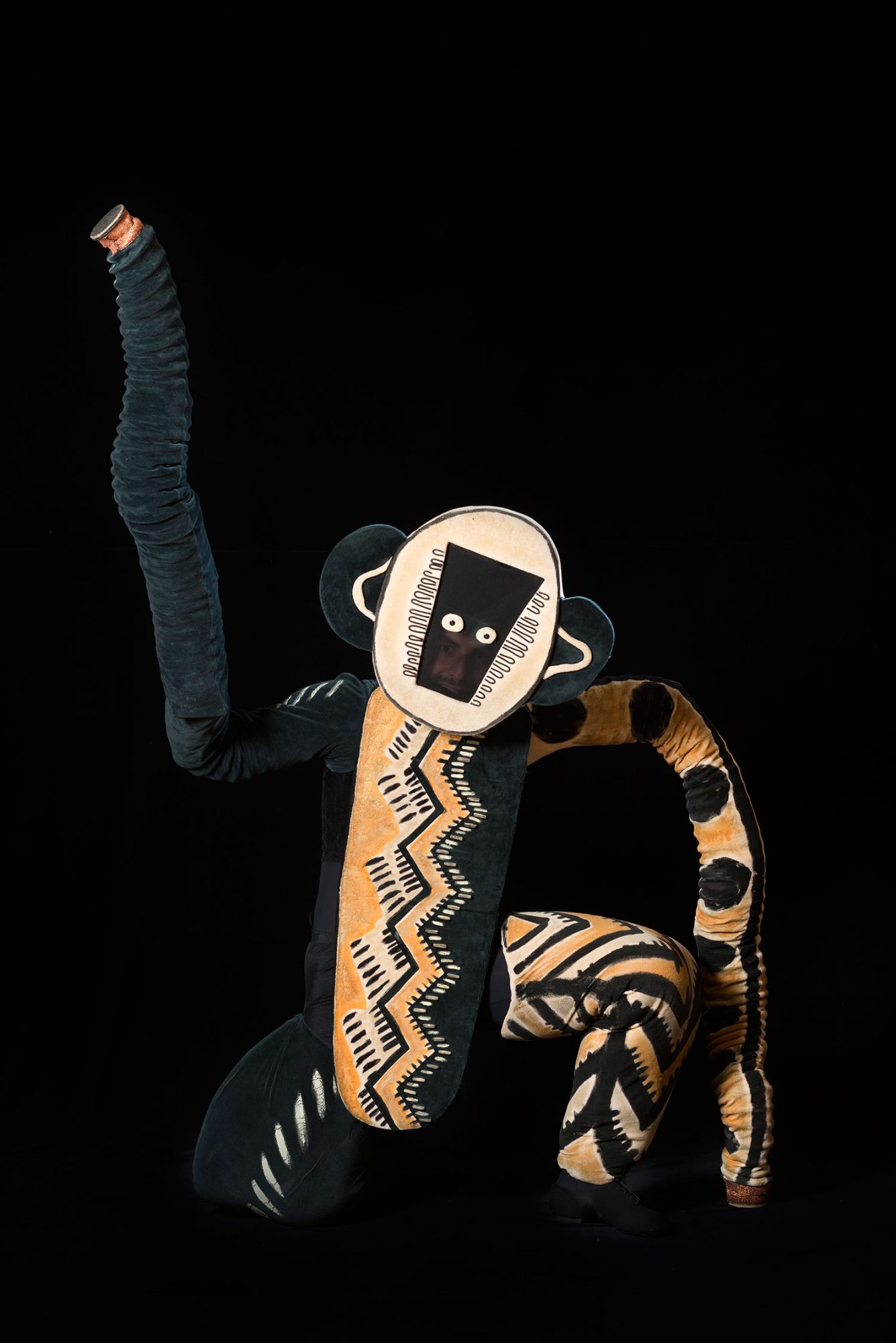
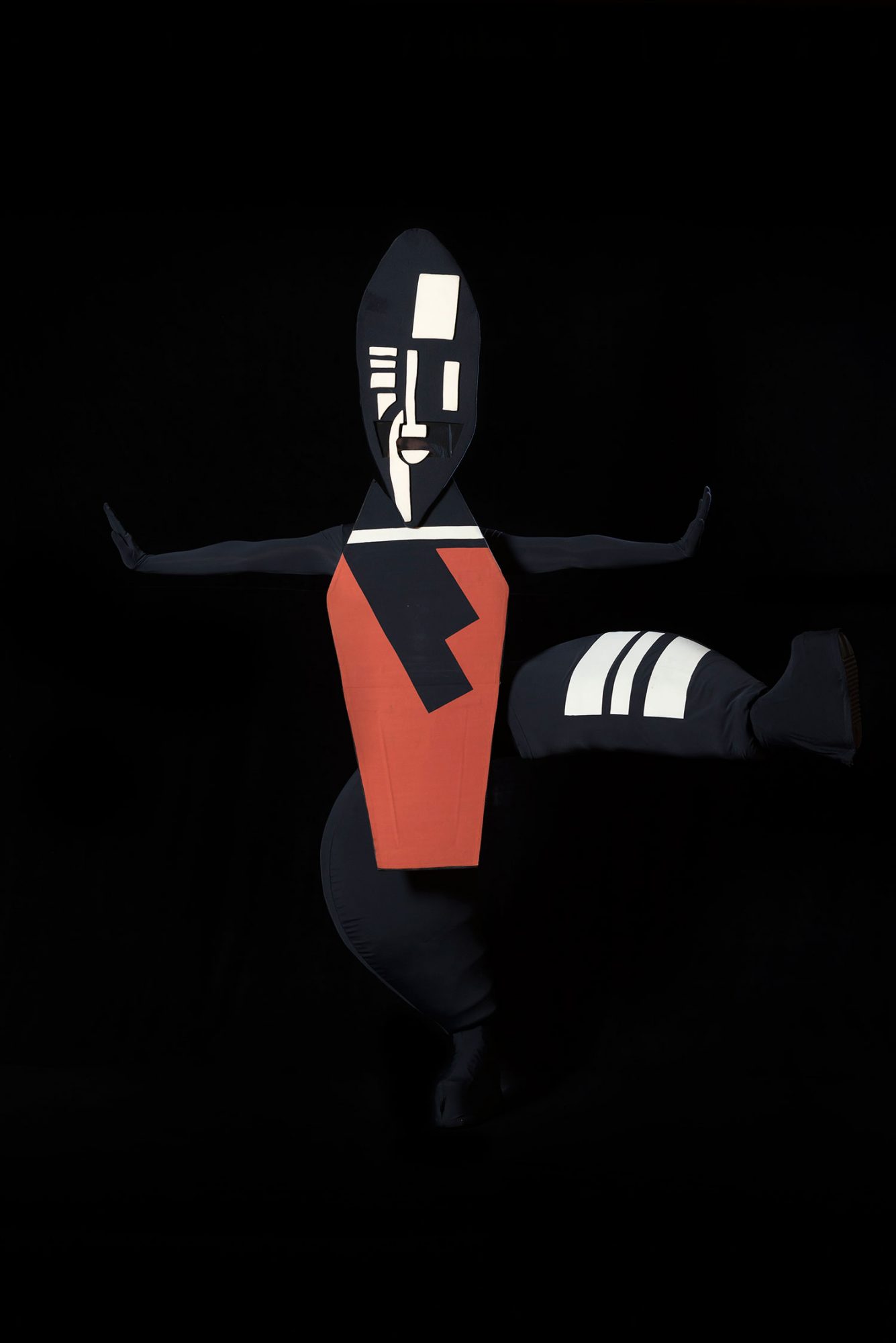
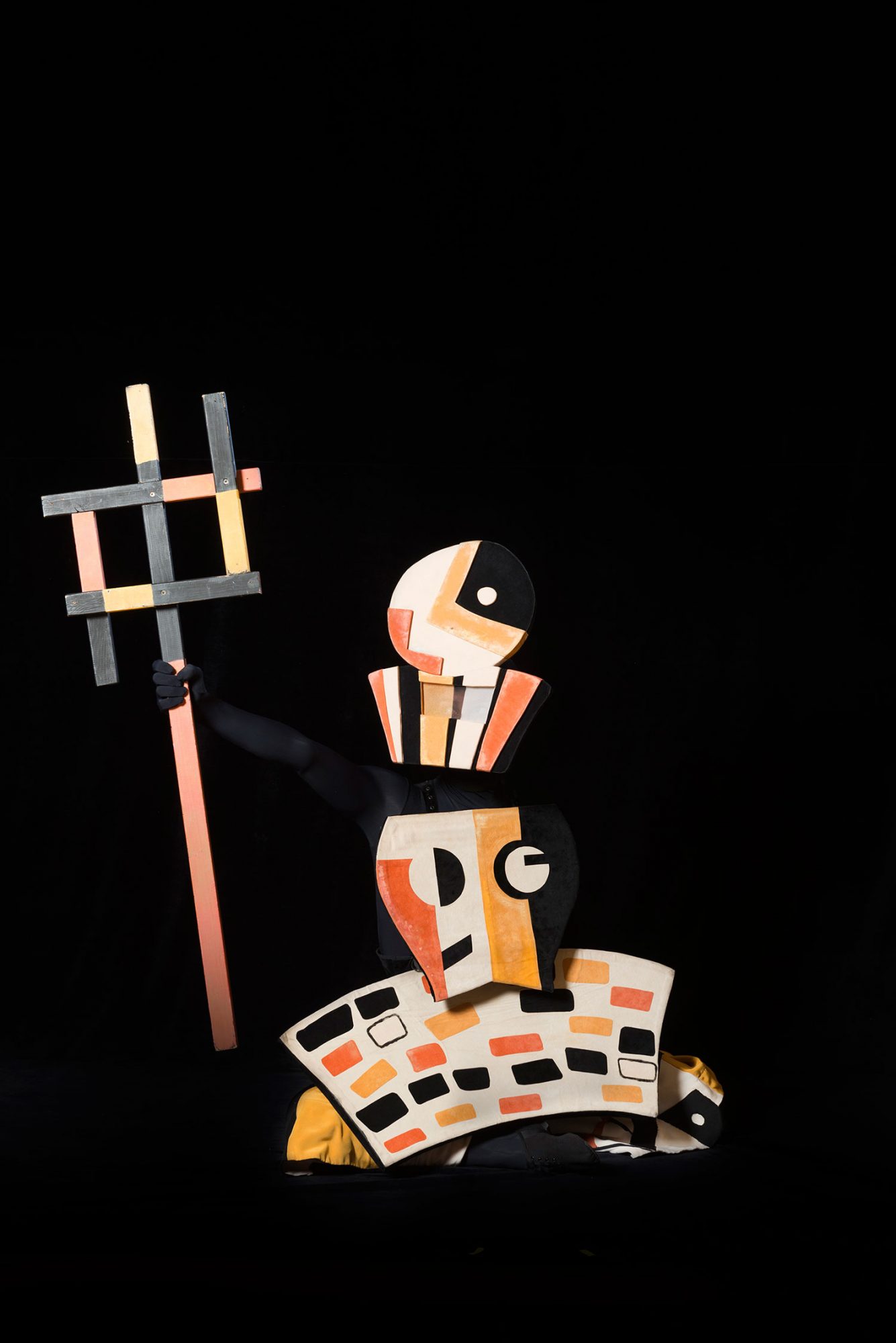
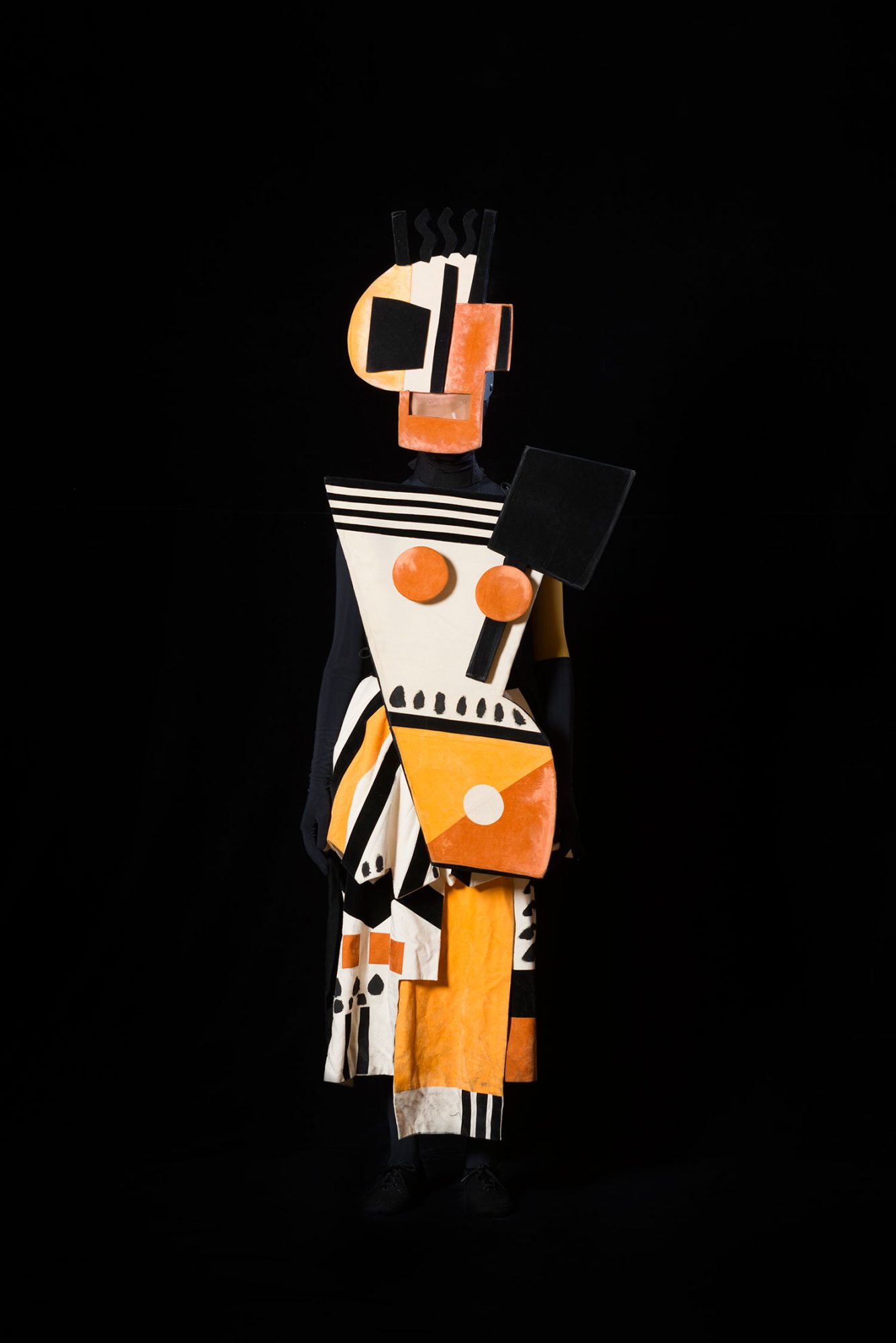
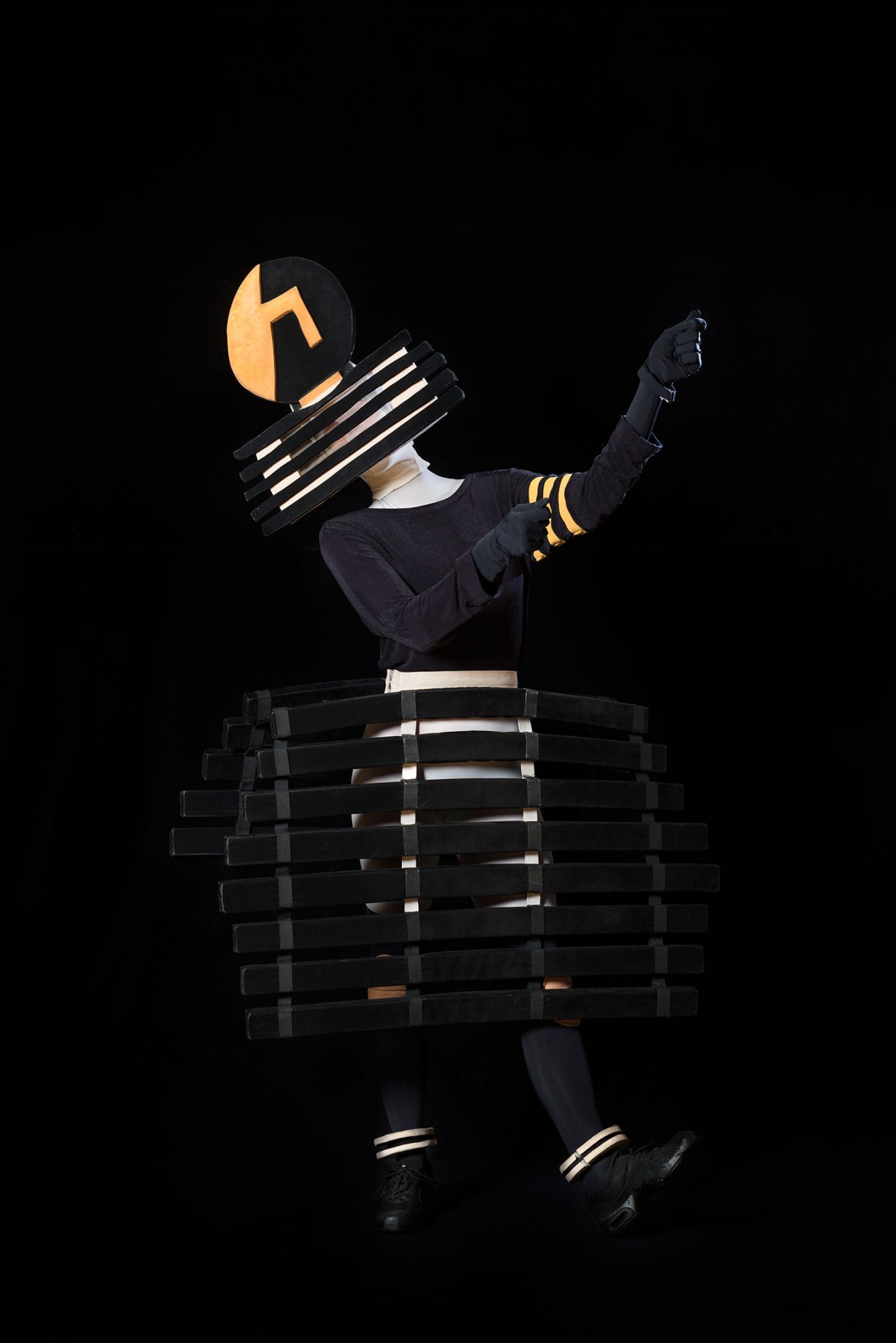
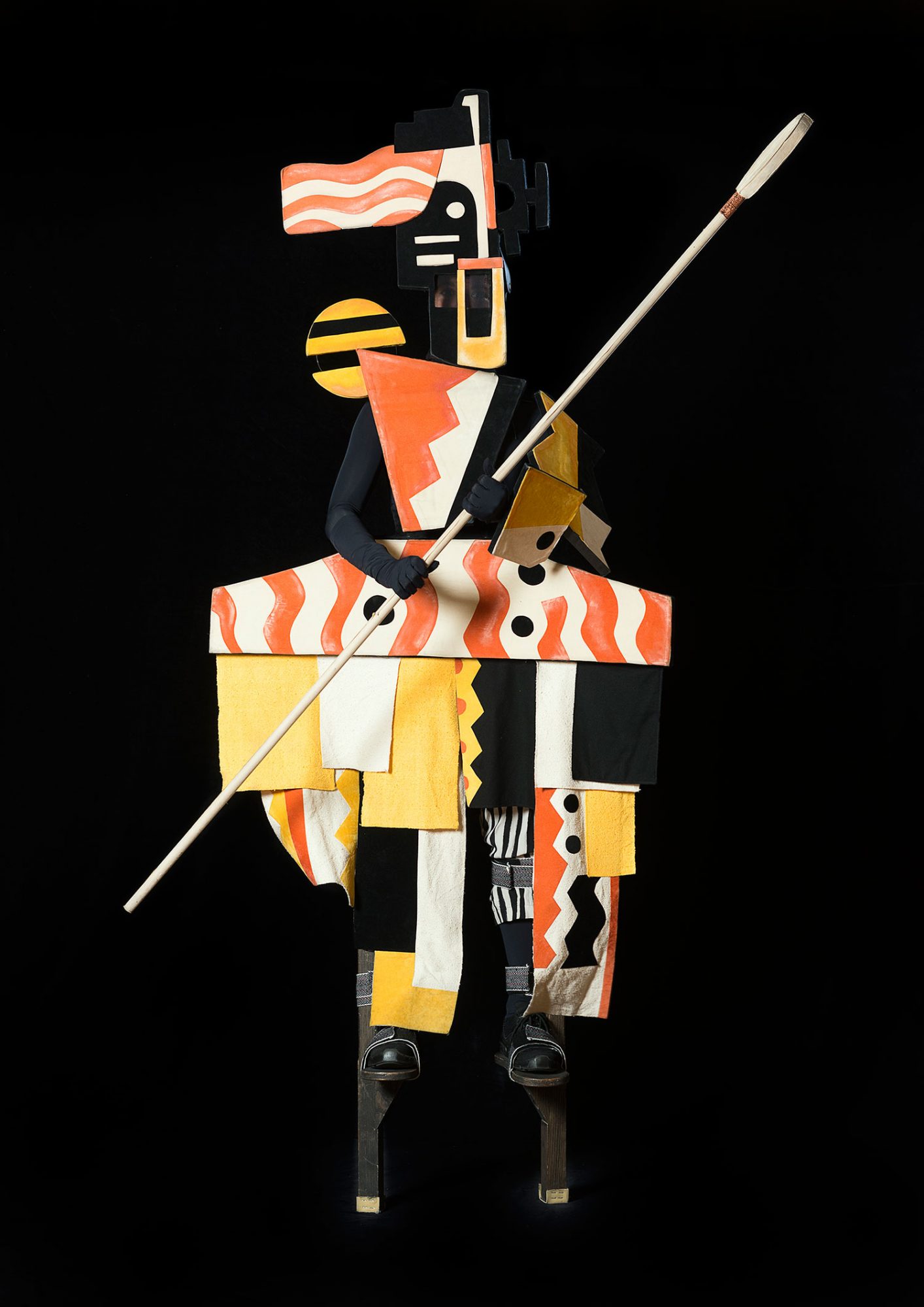
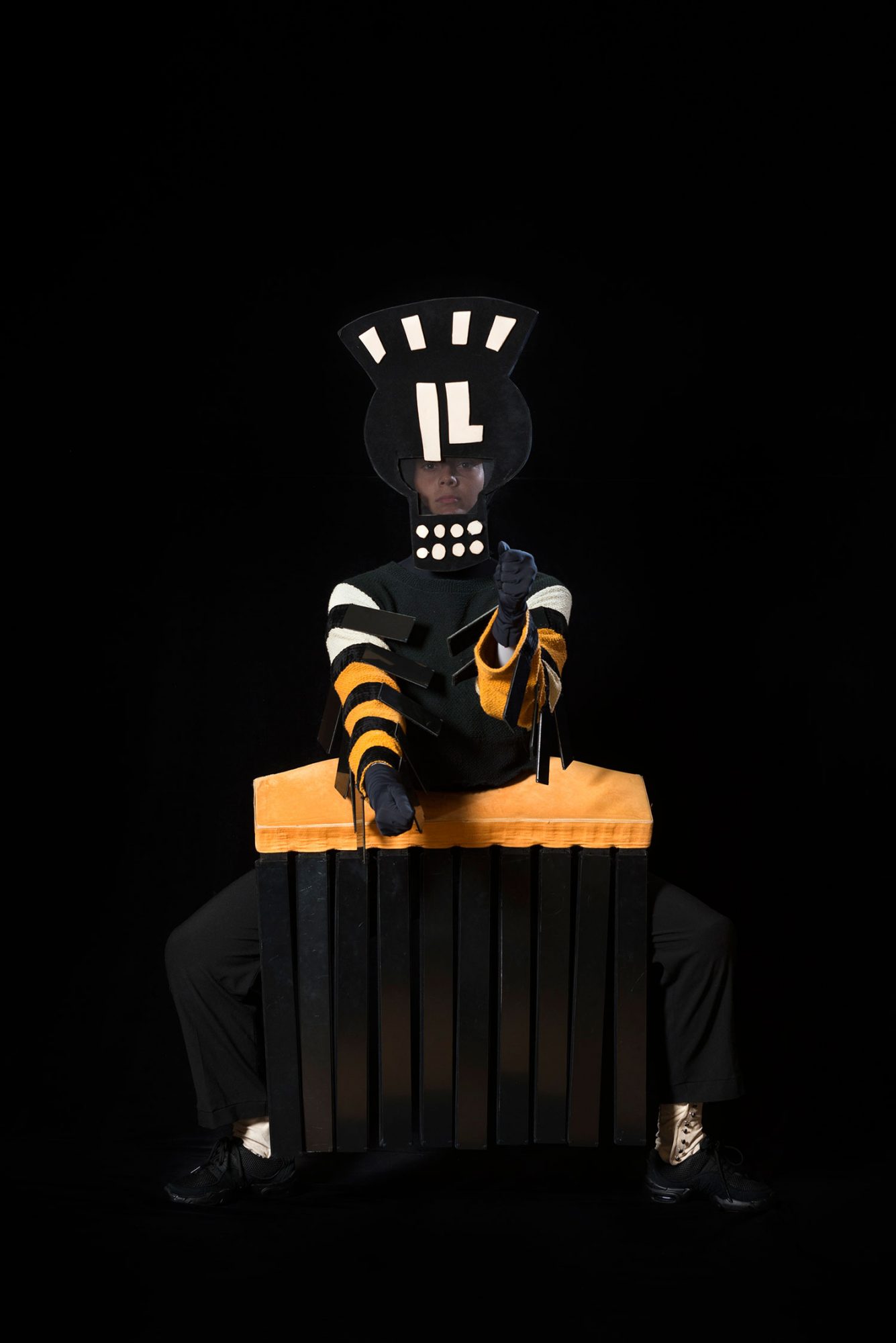
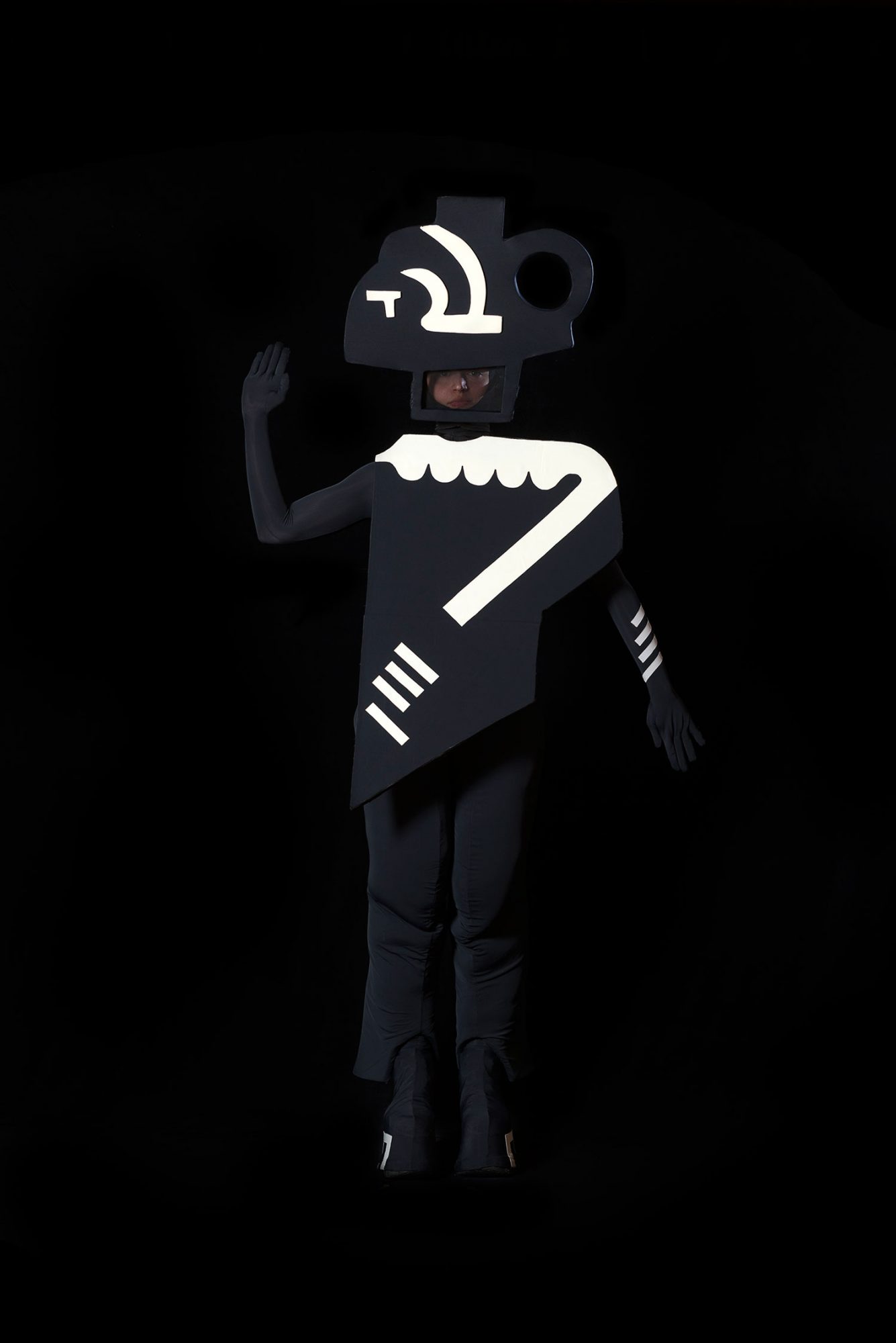
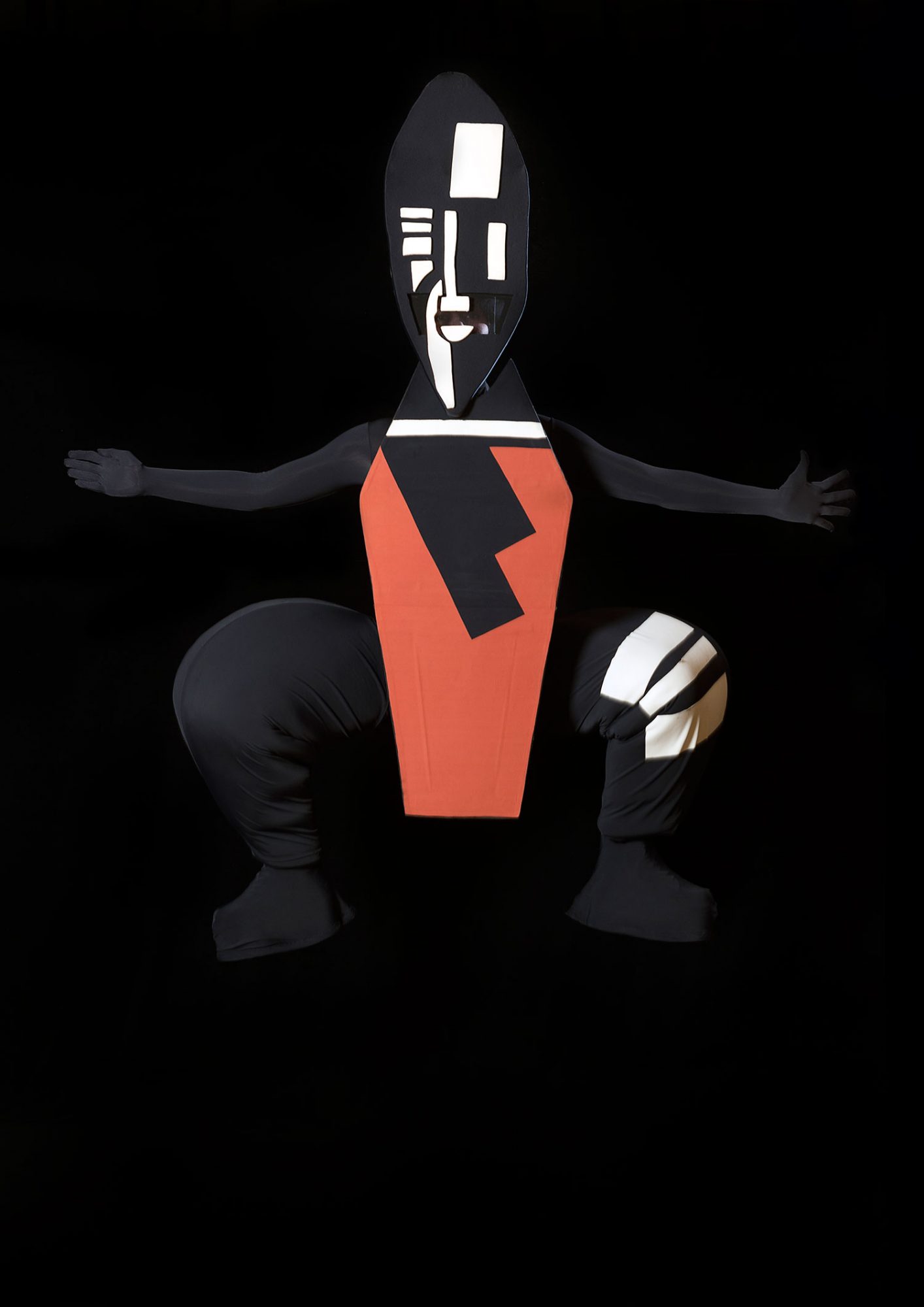
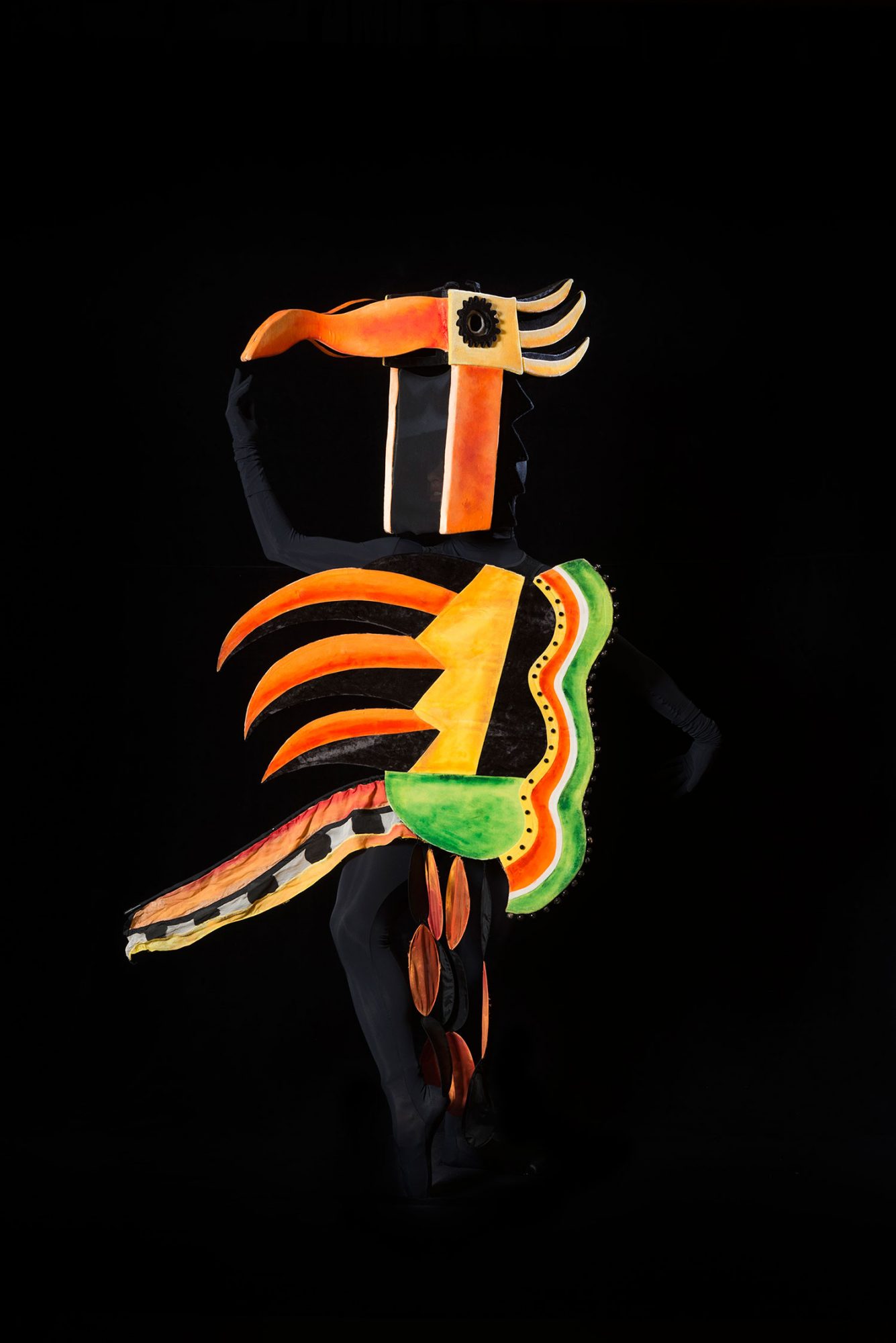
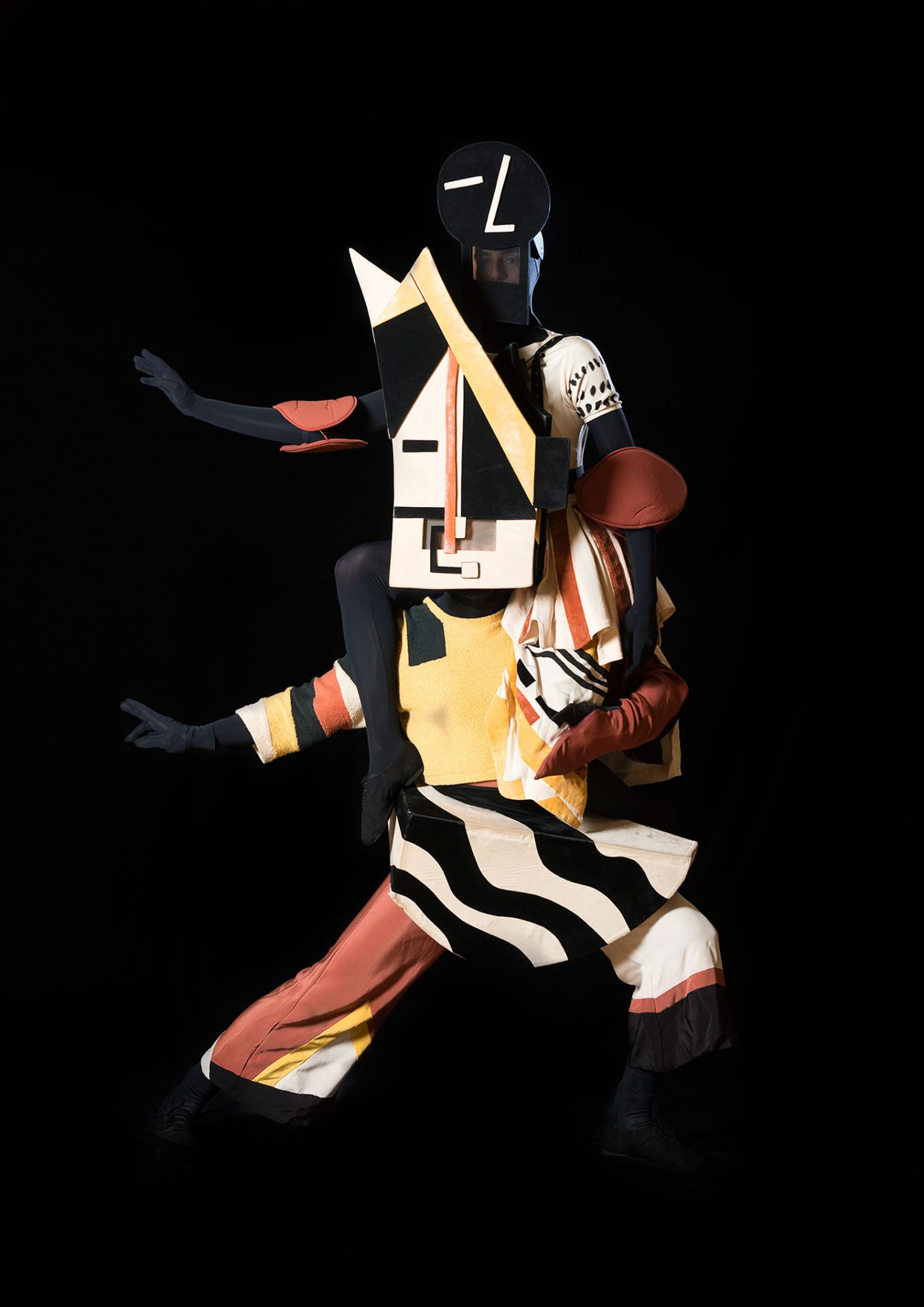
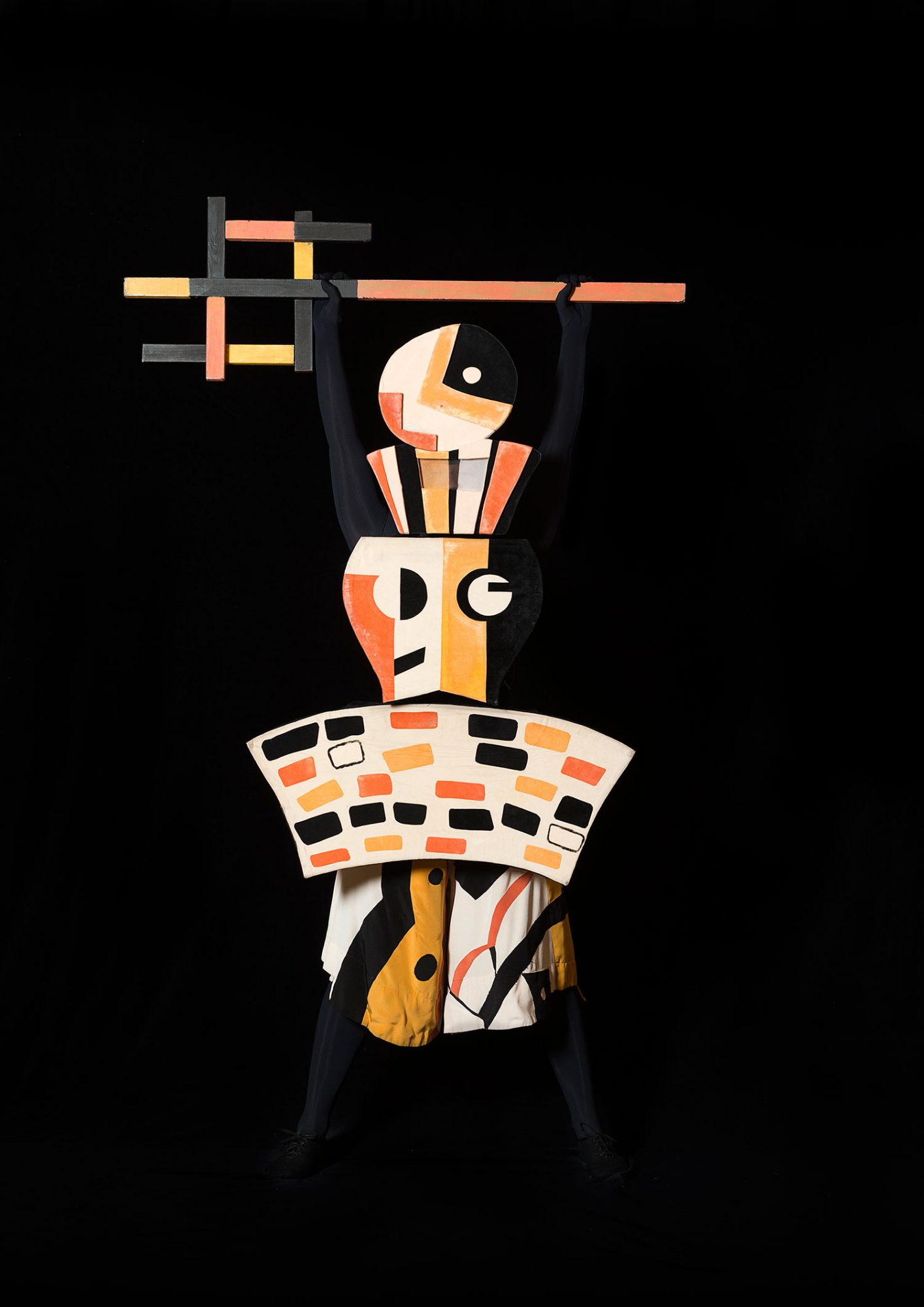
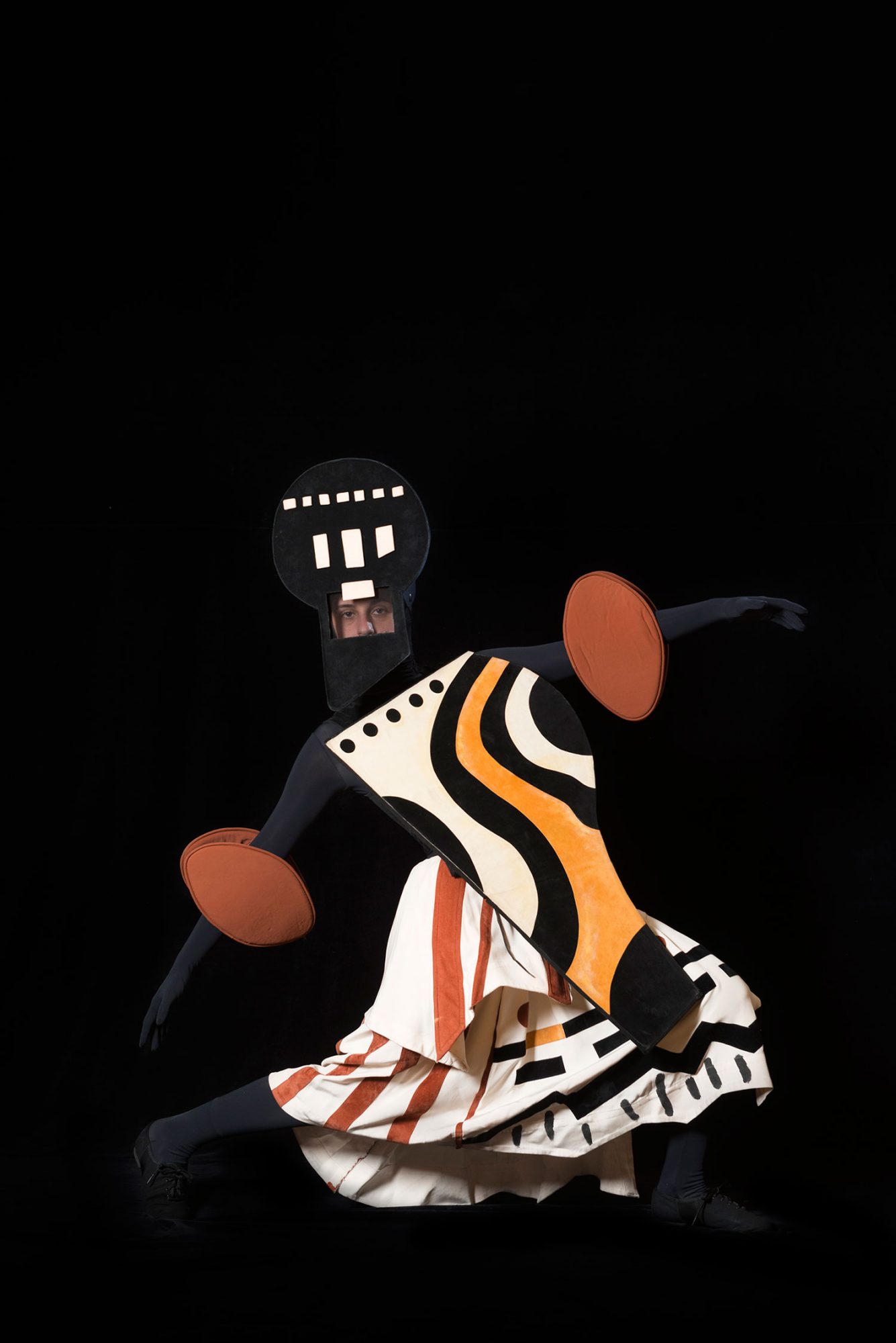
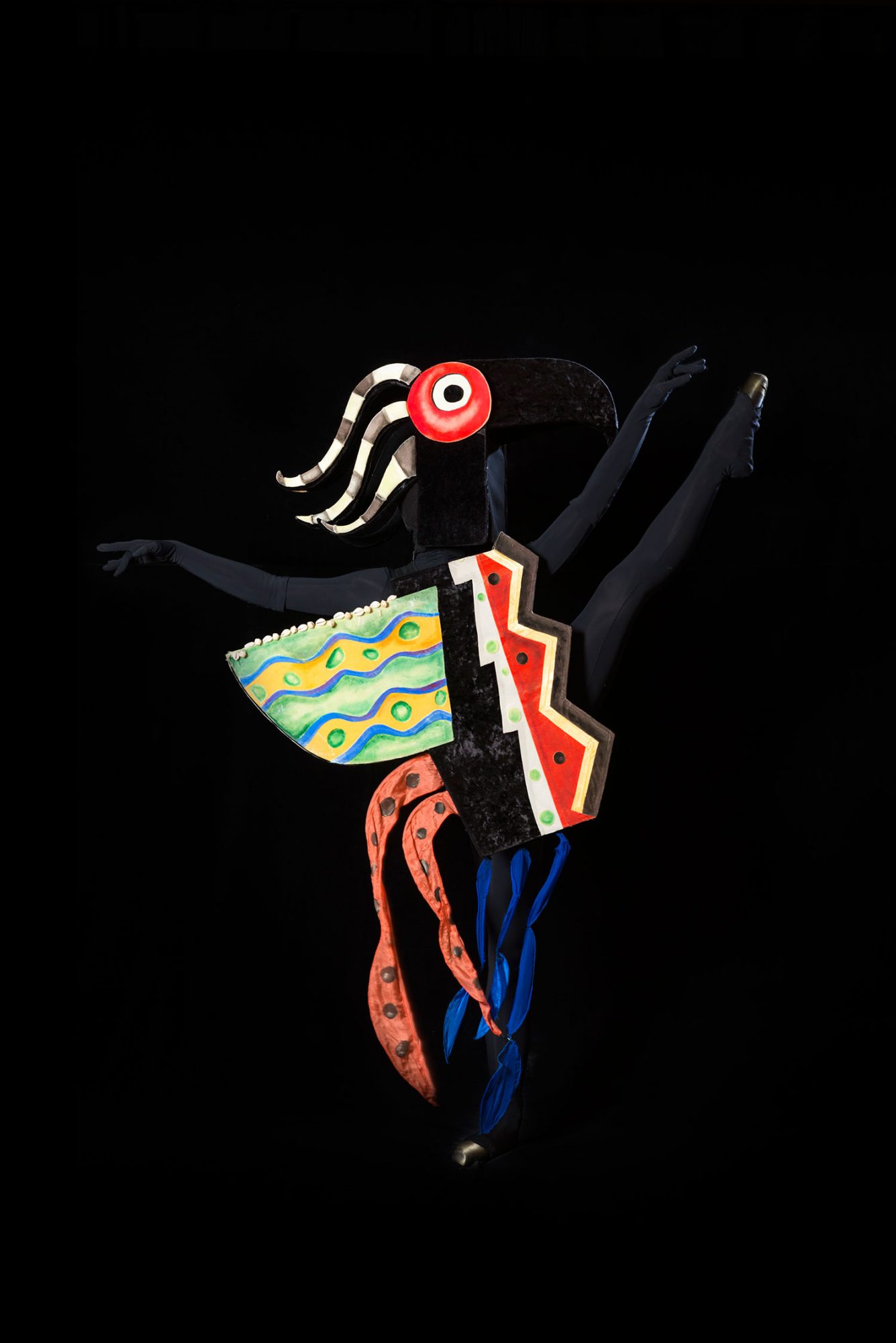
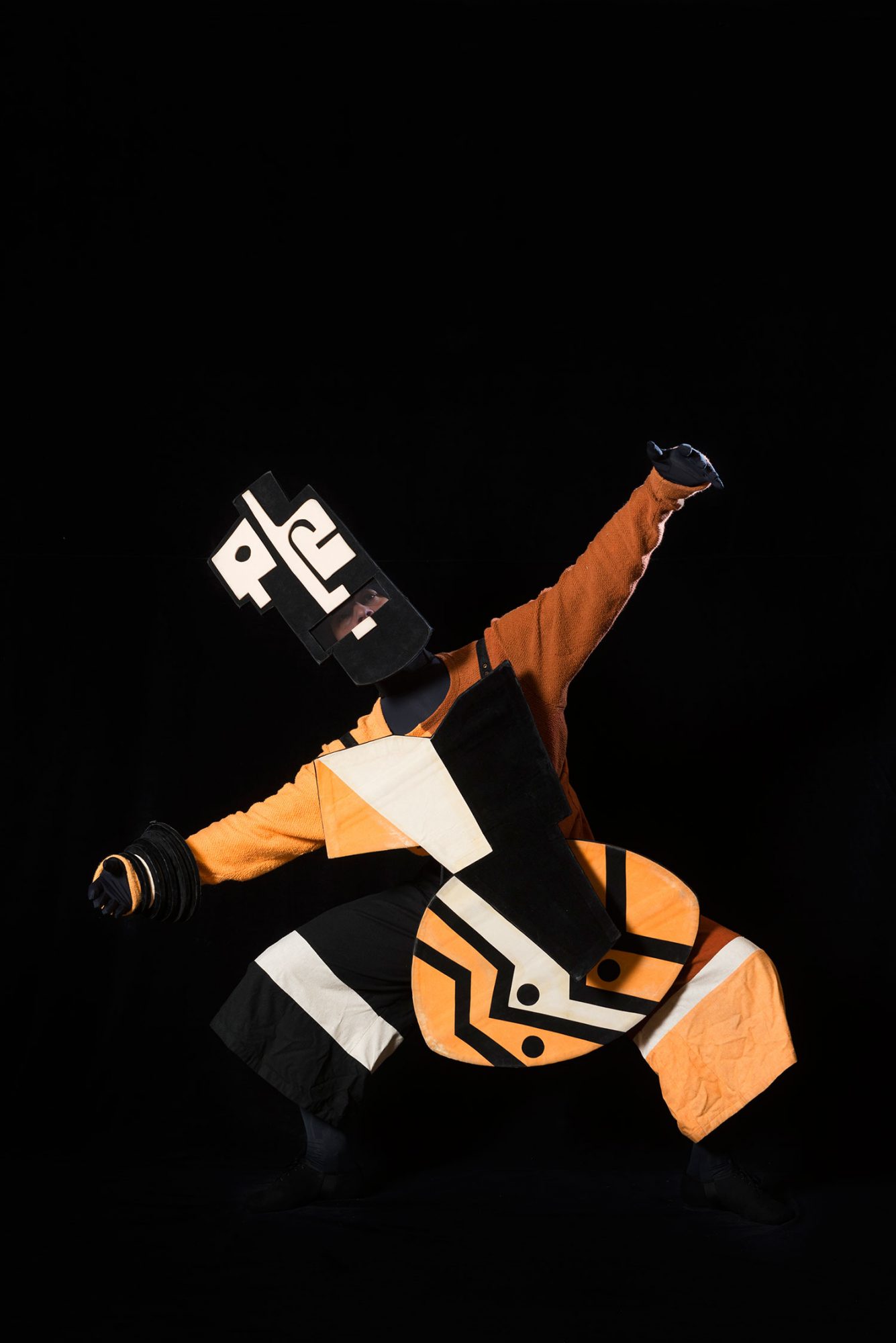
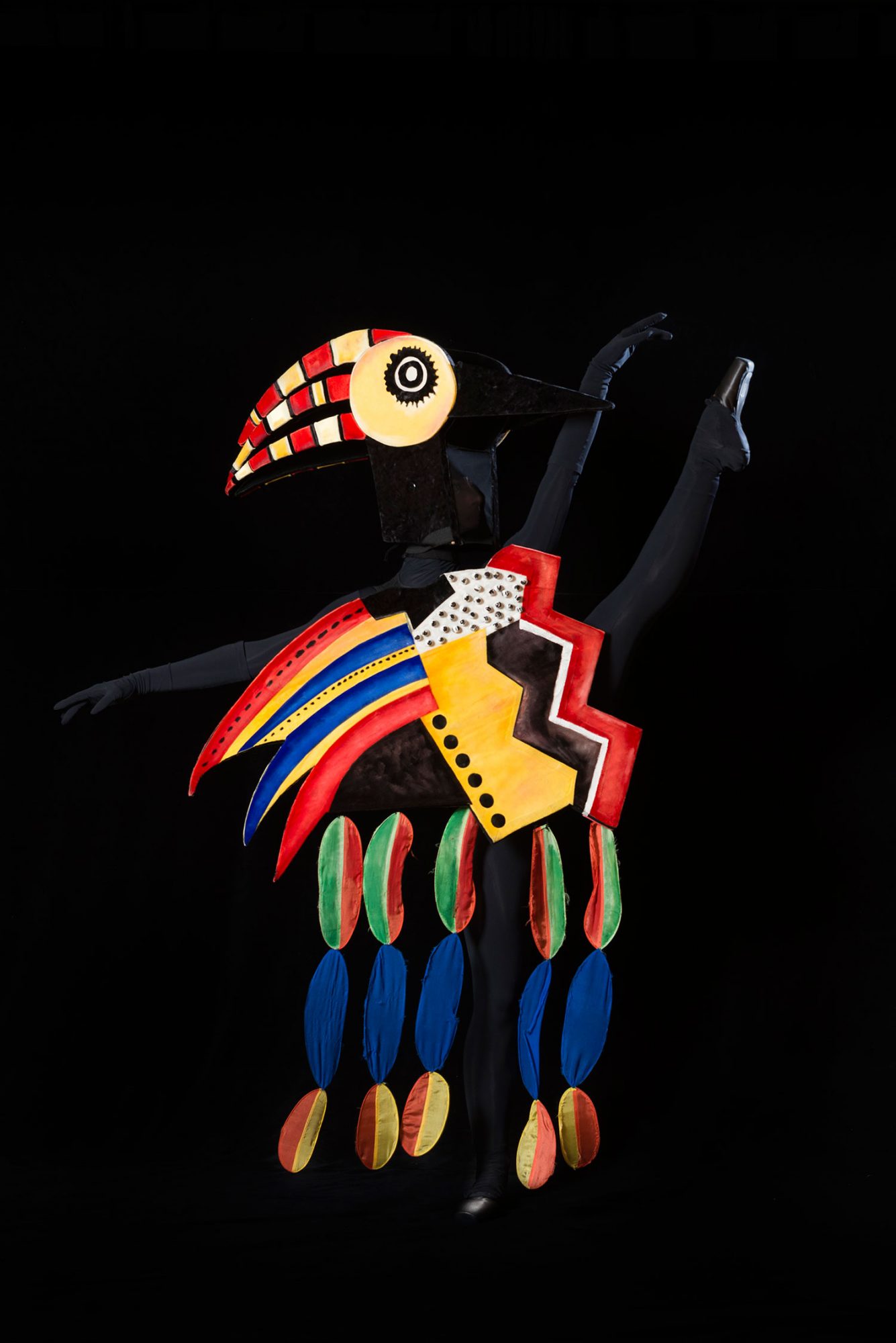
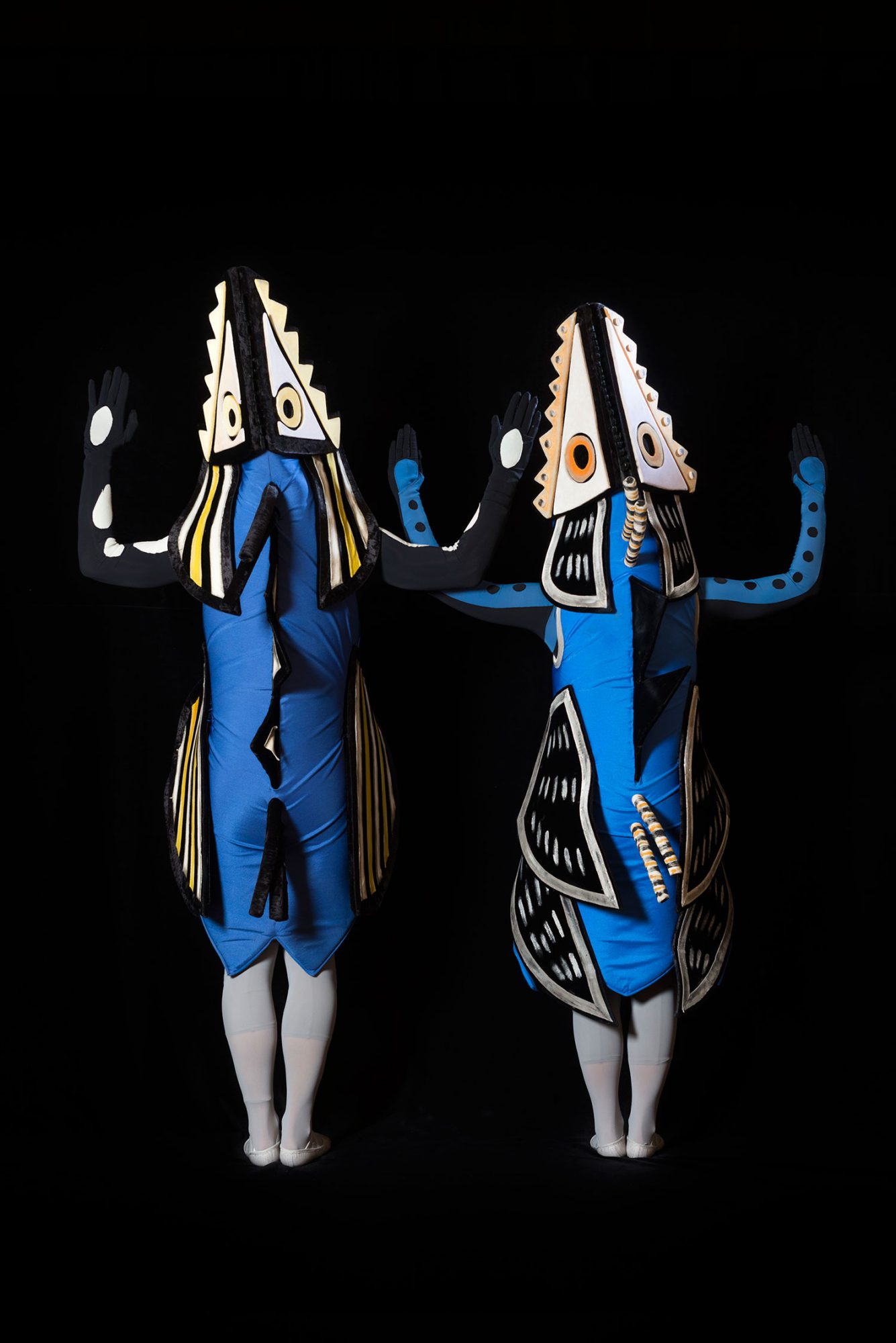
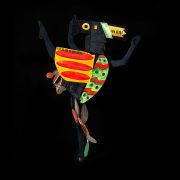
FLUX Laboratory Genève’s honoring proposal to photograph the rehearsals and the La Création du Monde show by Darius Milhaud (1923) raised an important question from the very beginning: how would a landscape and architecture approach a theatrical performance of modern dance? Will oneuse the already familiar visual vocabulary or try to speak a new language?
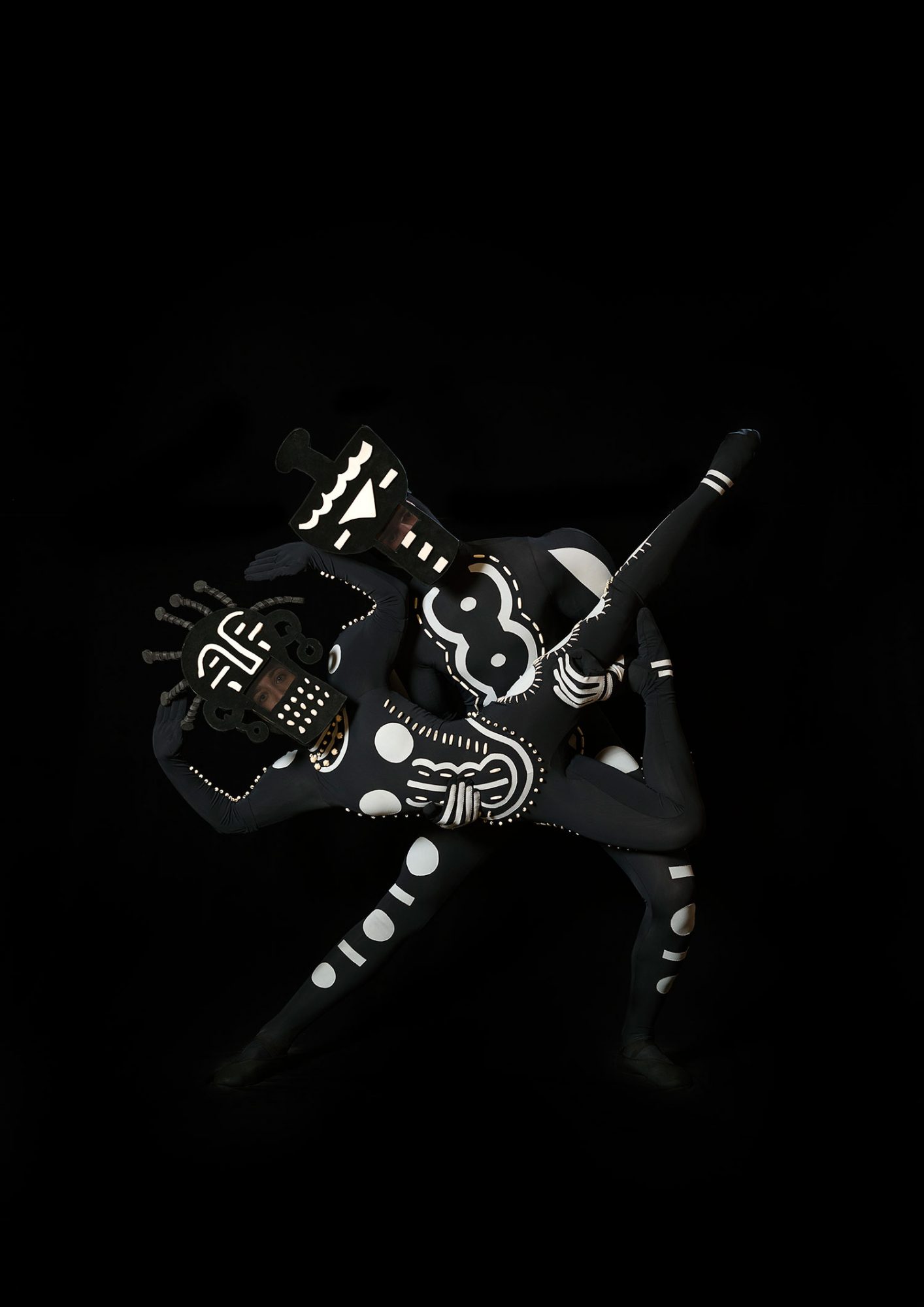
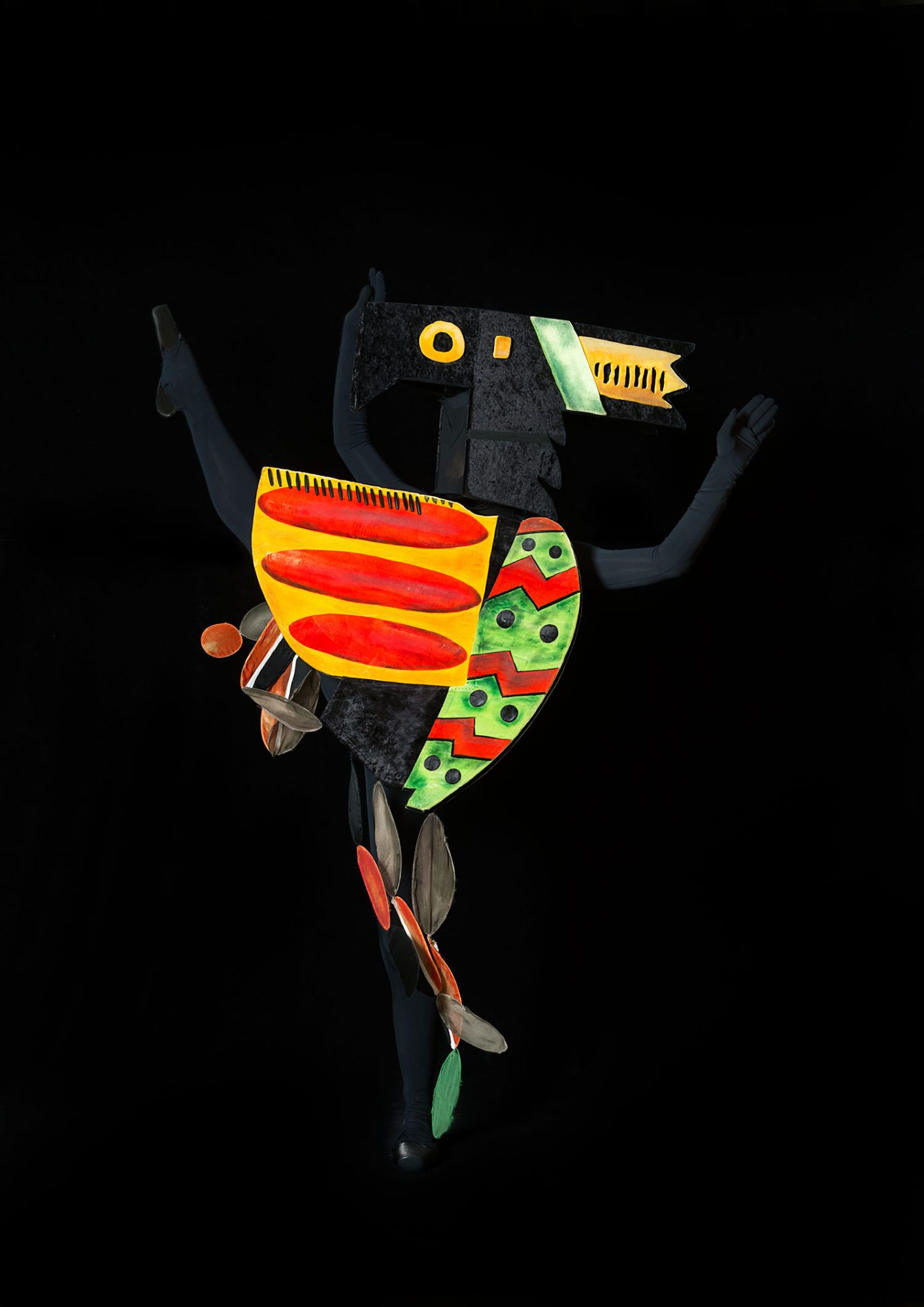
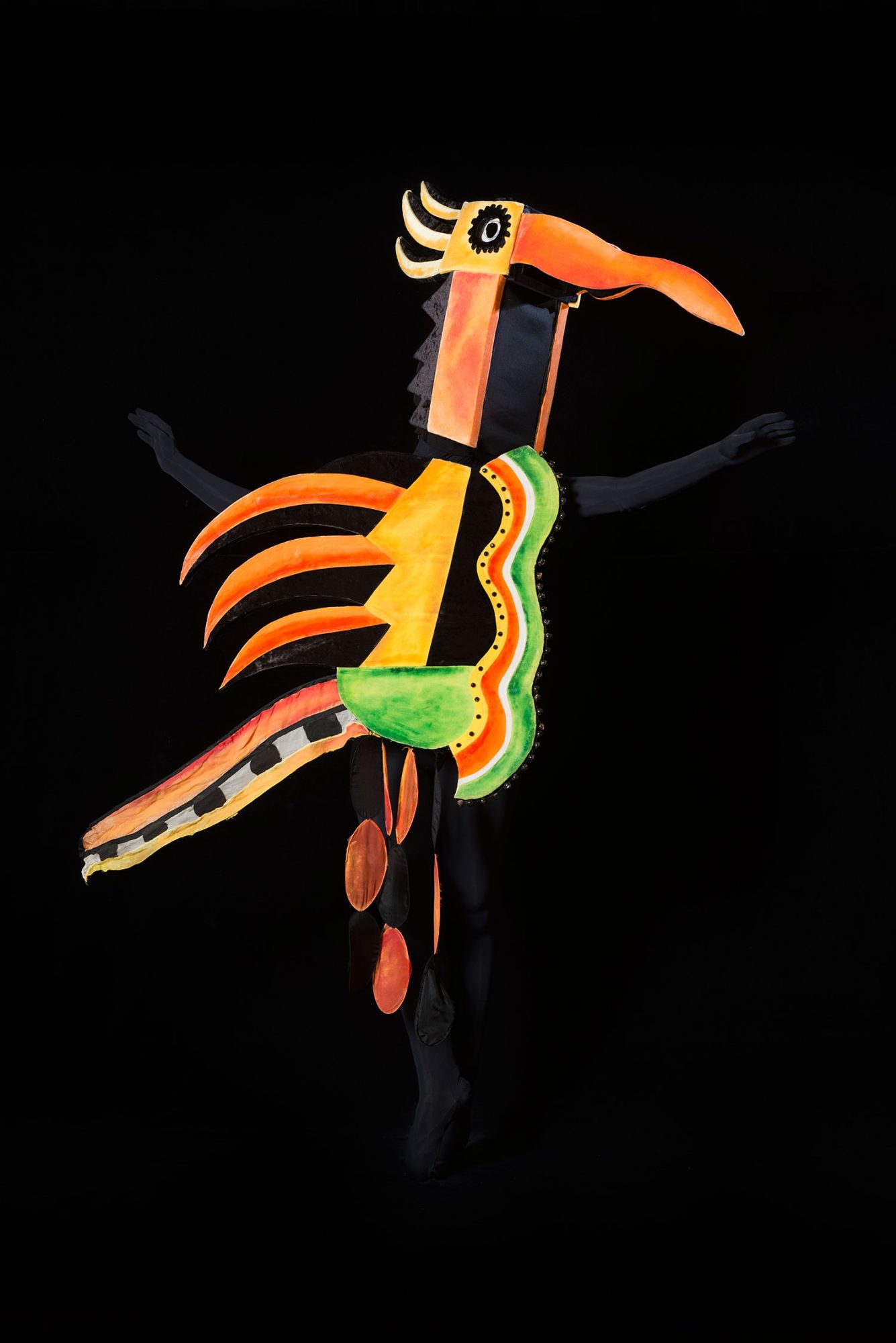
While preparing before the shooting as well as during the first rehearsals with the dancers and the choreographers of the show the answer became clear. Observing the characteristics of Millicent Hodson’s choreographythat attributed respect to Jean Borlin’s original one and Kenneth Archer’s costumes and scenography that respectively transcribed Fernand Leger’s original work, one could only conclude that despite the dancers’ movement in space, the ballet seemed to be a continuous sequence of two-dimensional modernist paintings that could be viewed exclusively by one and one only view point: frontal and absolutely central, as one would observe an artwork in a museum or an art gallery.
Fernand Leger’s costumes clearly proposed the way they should be photographed. With the kind collaboration of the National School of Dance (KSOT) dancers and the people of FLUX Laboratory, a photo studio was set up within the Athens Concert Hall, where dancers one-by-one reproduced the choreography of their role shortly before heading to rehearsal.
The resulting photographs represent nothing more than a series of dance portraits that become autonomous art works while downplaying the third dimension. The result attempts to justify the original intention, and at the same time capture and enrich the central idea of both original and contemporary creators of the piece.
Portfolio created: 2006
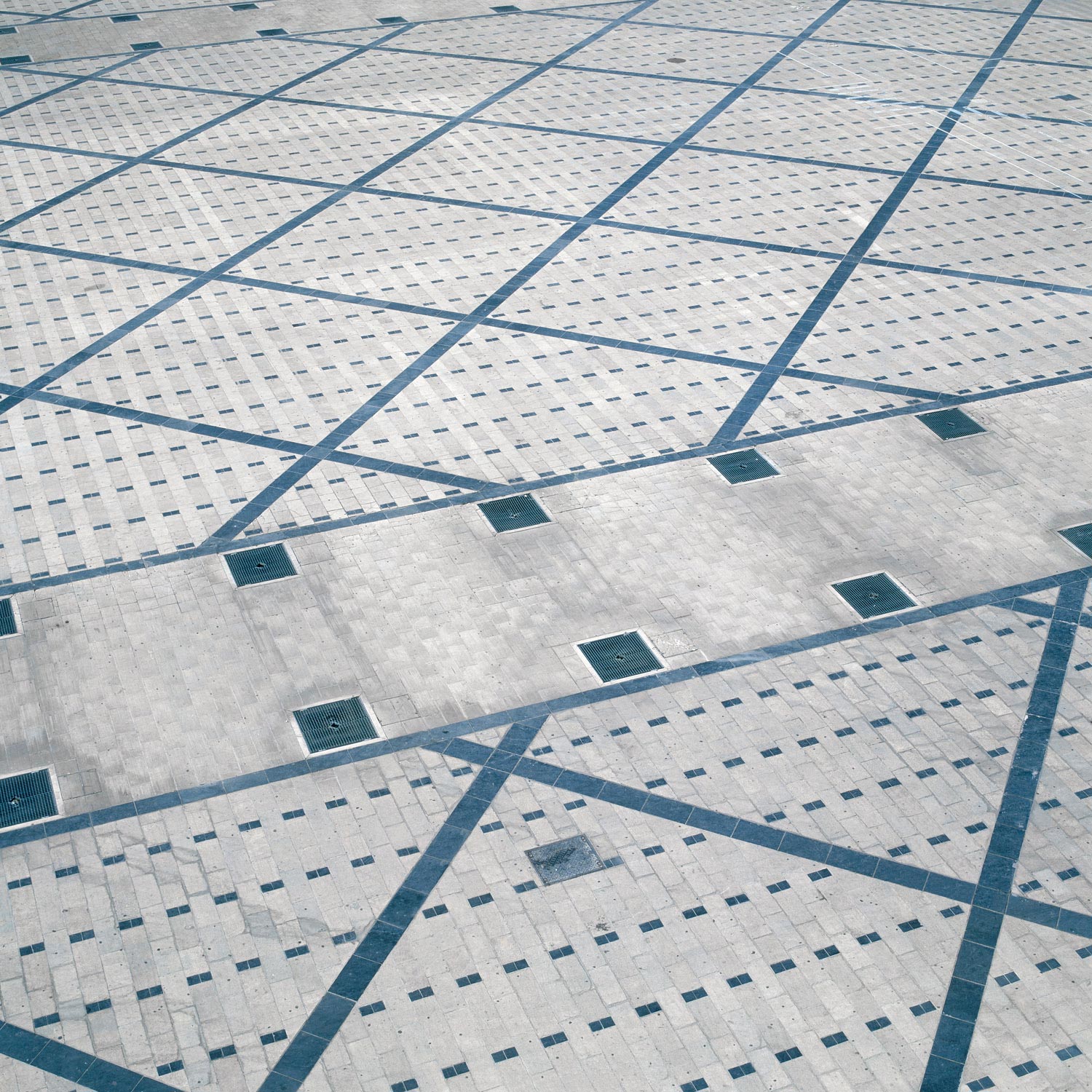
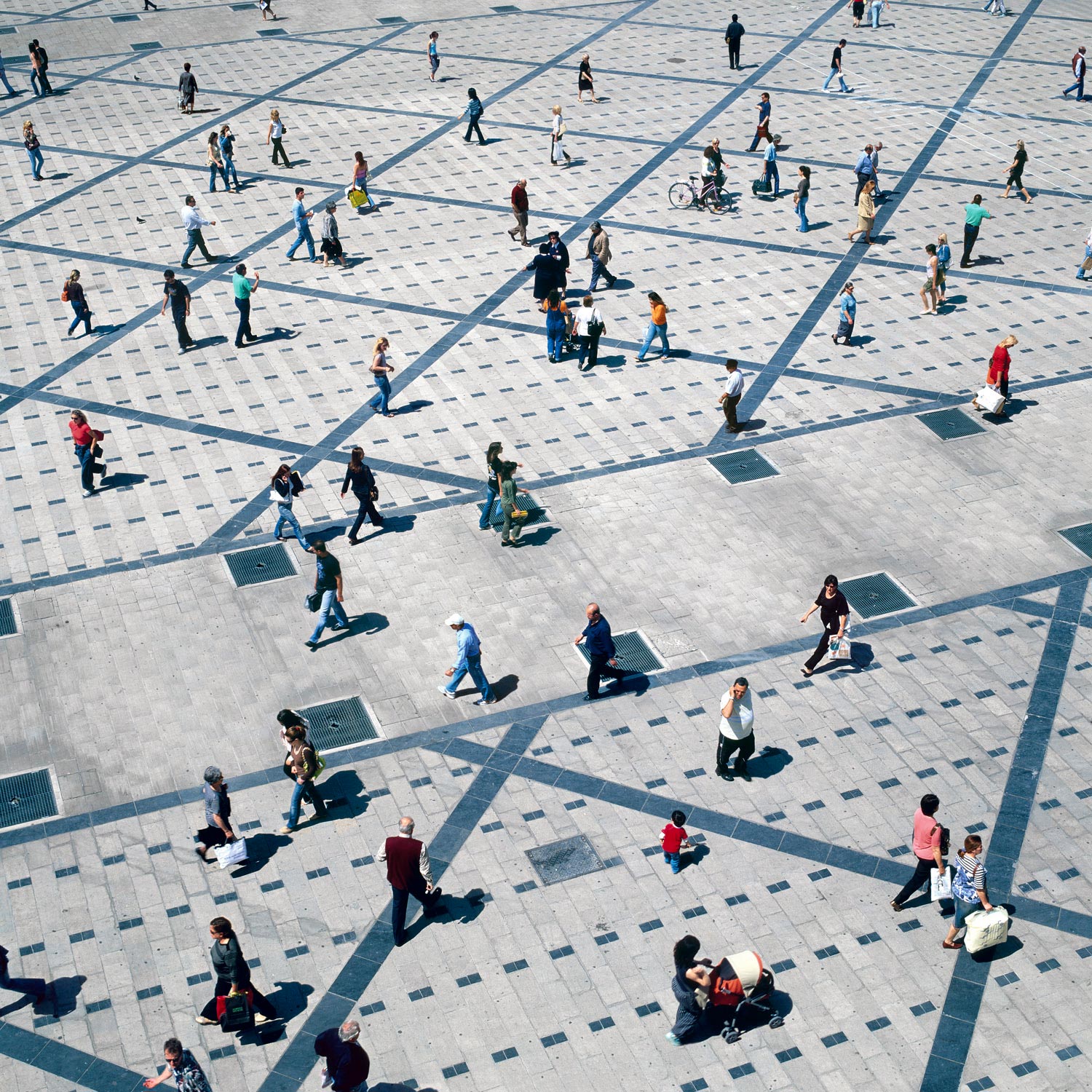
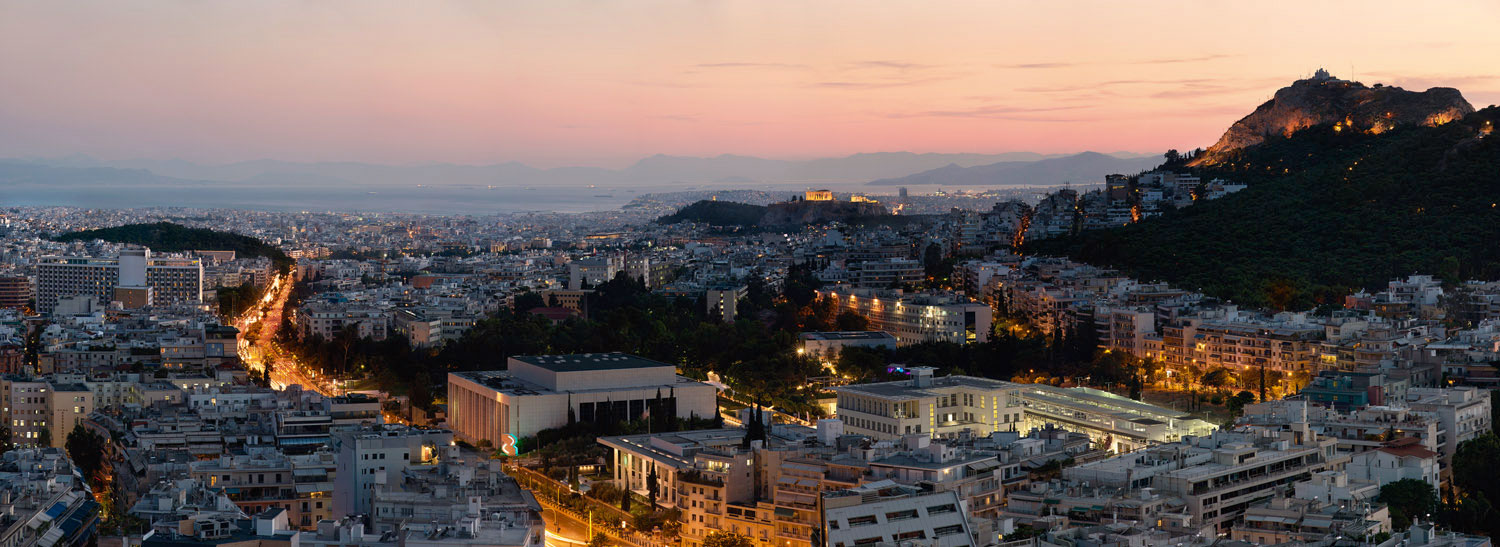
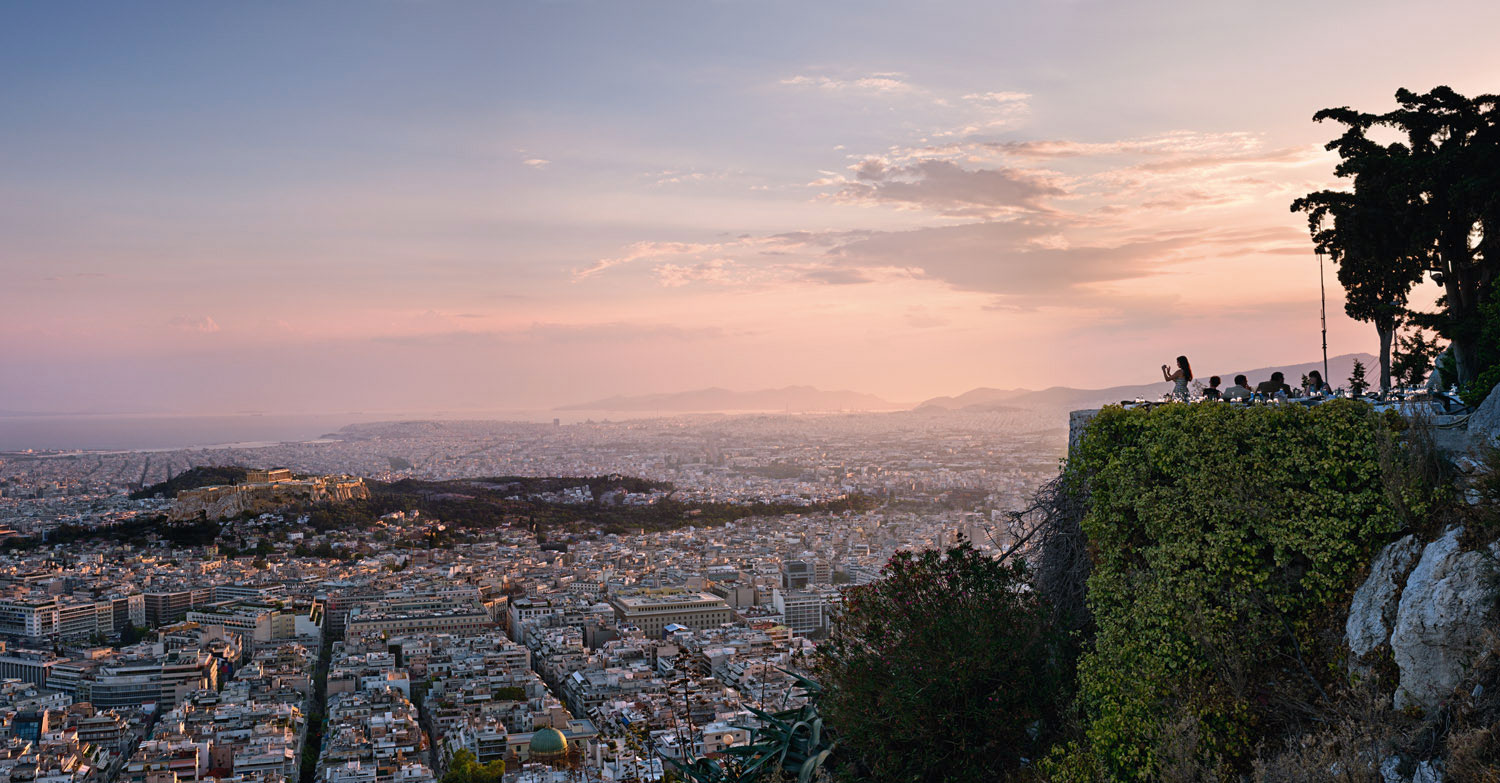
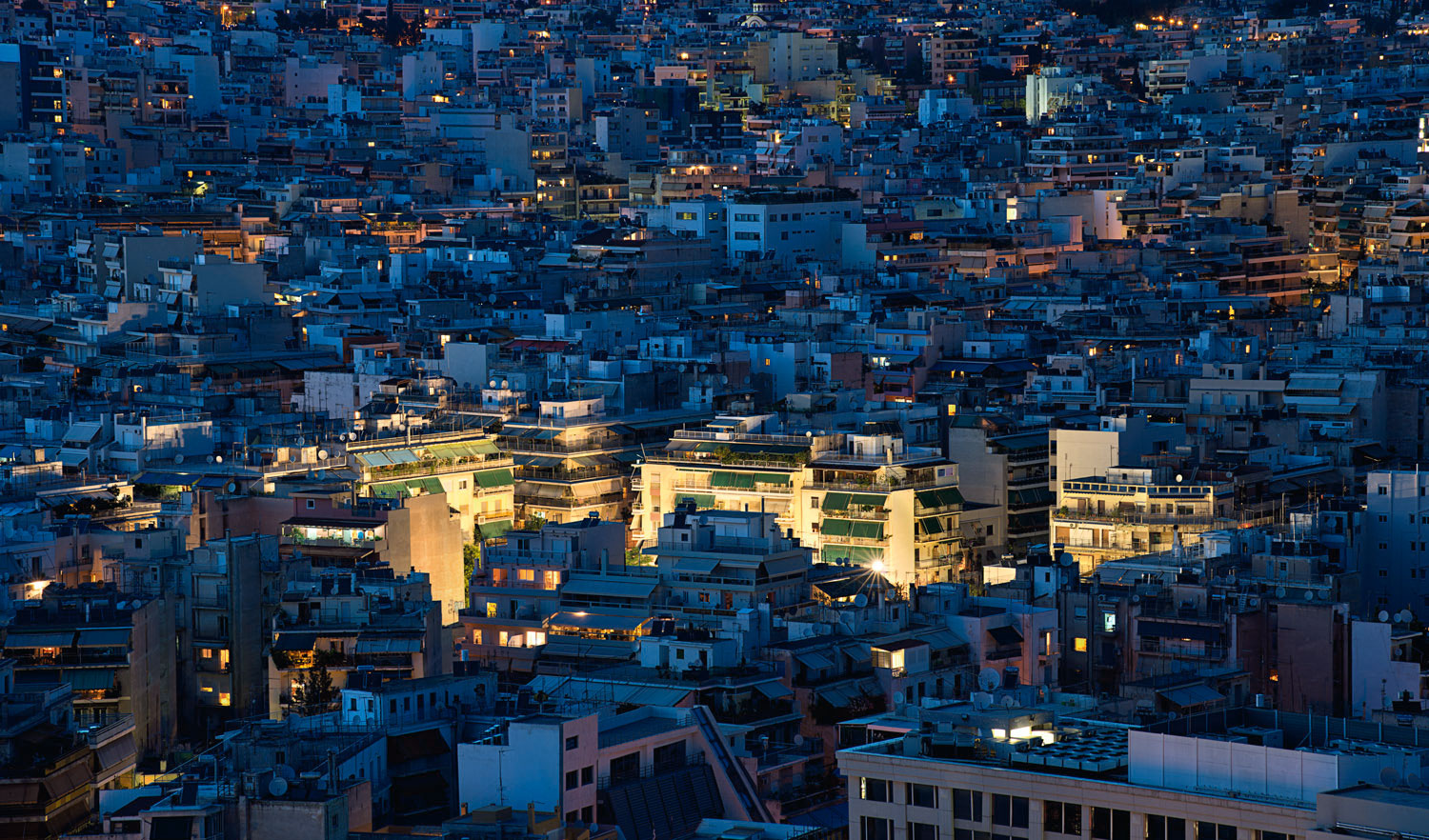
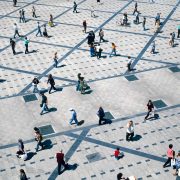
City is defined, according to Pausanias, as a place that hosts a theater, a gymnasium and most importantly public space, a place for all. City is the organized form of society where people are educated, entertained and meet one another, a meeting place so to speak where one can communicate, get into an argument, inspire and get inspired by others, a place, ultimately, that is common ground to all and highly personal for each and every one of us.
But what is, nowadays, the notion of city for us? Let’s consider once again, what is it that makes us live our lives in one, or what makes us want to run away from it as fast as we can. How does the habitat we have all collectively created look like and why aren’t we so certain whether we like it or not?
During the 20th century people of all over the country gathered in urban centers thus creating areas of great density. People were forced to comute to work, to travel greater distances for longer periods of time in order to be educated or find recreation of their liking. As a result, accumulated fatigue as well as frustration resulted to people getting angrier by the minute and little-by-little blame was dumped on the urban environment.
For quite some time now, the first thing one hears in a debate on the Greek city is condemnation, while the proposed solution is always to flee, to save oneself by moving away from the others to find peace, often in a deserted part of land that nobody can be reached.
“If the only kind of landscape that we think has value is one where there is no human presence,” writes John Brinckerhoff Jackson, “then we place ourselves away from nature, exiling us, paradoxically, from our own world.”
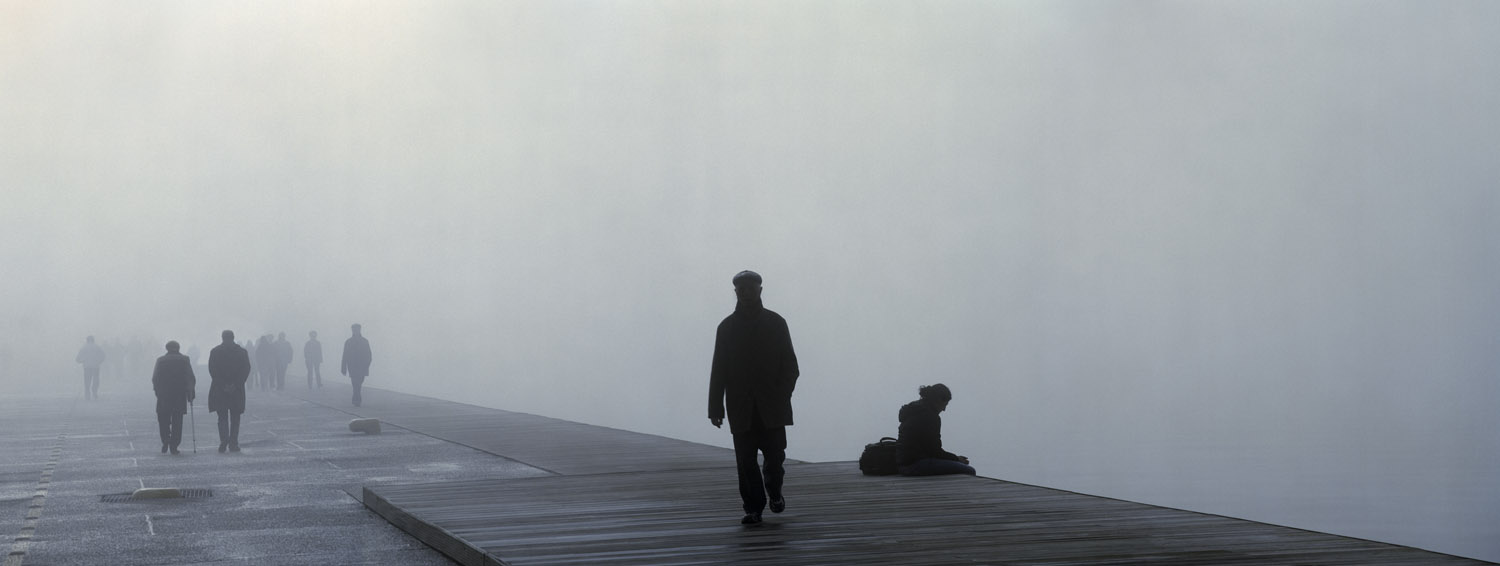
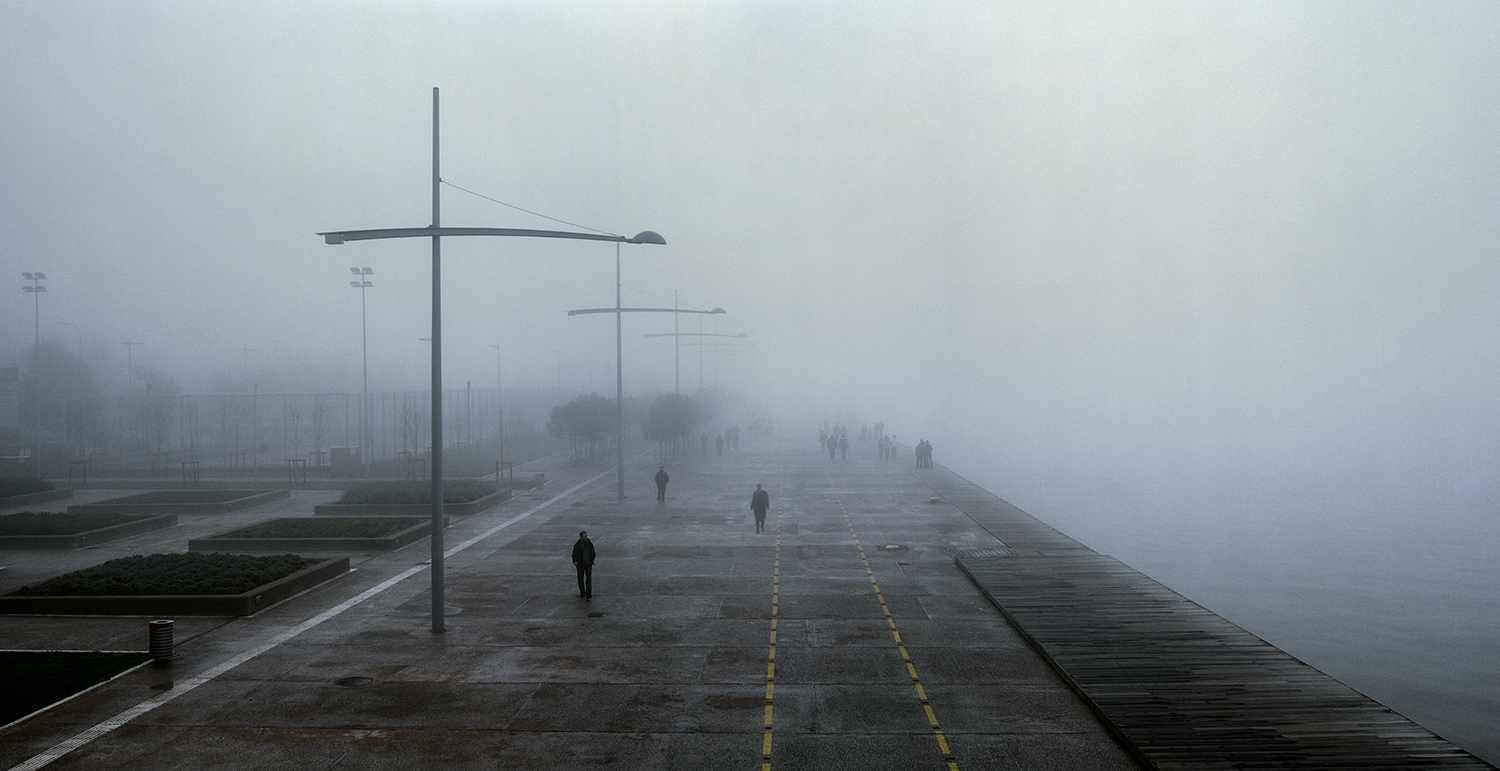
The writer also shares the above view. Contemporary man will never find a convincing answer away from the environment that shaped him, the city. It was the city that formed him the very same time that he himself formed the city. We walk alone in a public place and yet at the same time we all stand together next to each other. We choose to hang out in places that we are likely to meet people with whom we are connected, and we all seek the same goal: a meeting place to gather and interact. Whatever our personal views, the city and its public space, empty or full of people remains our common ground, literally as well as figuratively speaking.
Portfolio created: 2007
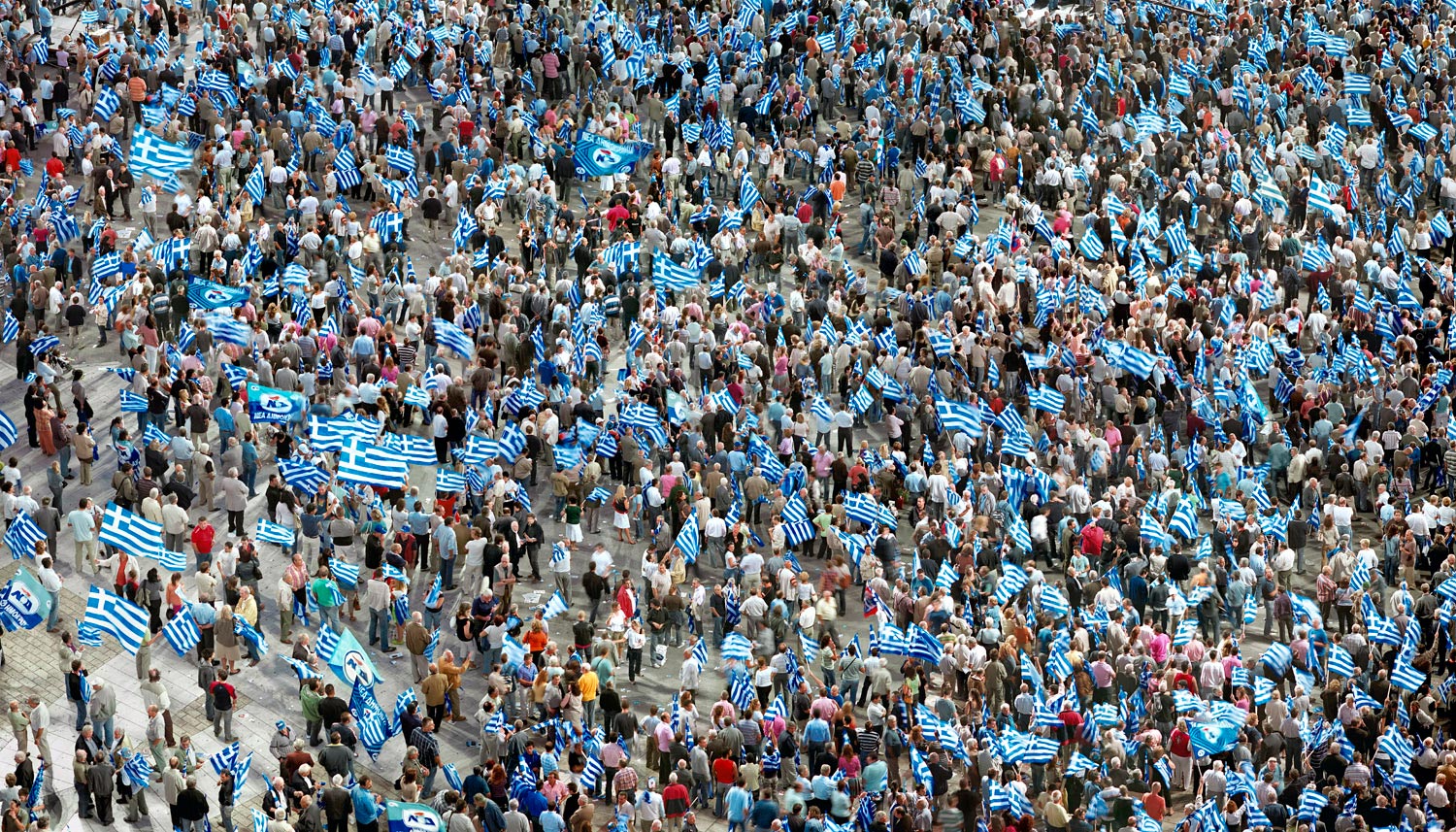
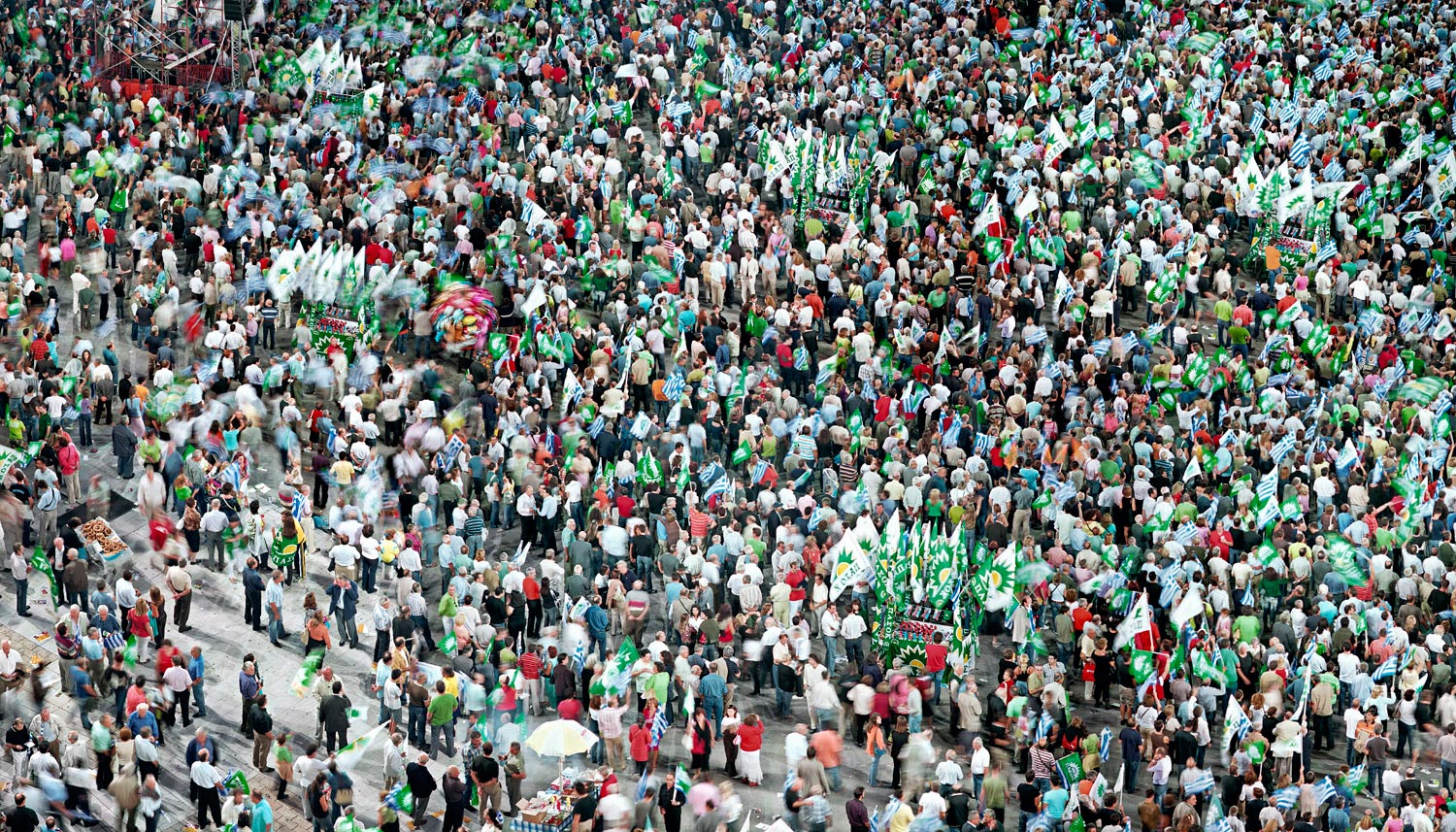
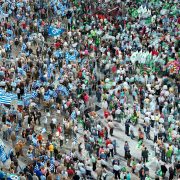
Political Rally of Major Party I&II
People are gathering in the central square once again, as so many times in the past.
Green on Monday, Blue on Thursday, full of confidence, full of themselves. It is they and not the opponents that will take this country a step further into a better future.
From a distance, they don’t seem that different in terms of faces, size or numbers. They don’t come from different social backgrounds, nor do they represent different morals. These people, the green and blue crowd that chose to rally in the streets and applaud their party leader with cheers and songs only ten and thirteen days, respectively, after the catastrophic fires in the Peloponnese, represent all of us…
All of us, who demand the best for this country, as long as it doesn’t bare any personal cost: all of us, who are ready to point the finger to the next guy and report his anti-social behaviour, only to copy it to the letter when no-one is looking. All of us who publicly brag about our immaculate ethos, while feeding corruption under the table.
Ten and thirteen days before these two political rallies, the country wasn’t green, nor blue. Ten and thirteen days ago, long before the cheers, the songs, the party banners, the hotdog carts, the balloons, the fireworks and the confetti, the country was black.
Portfolio created: 2008
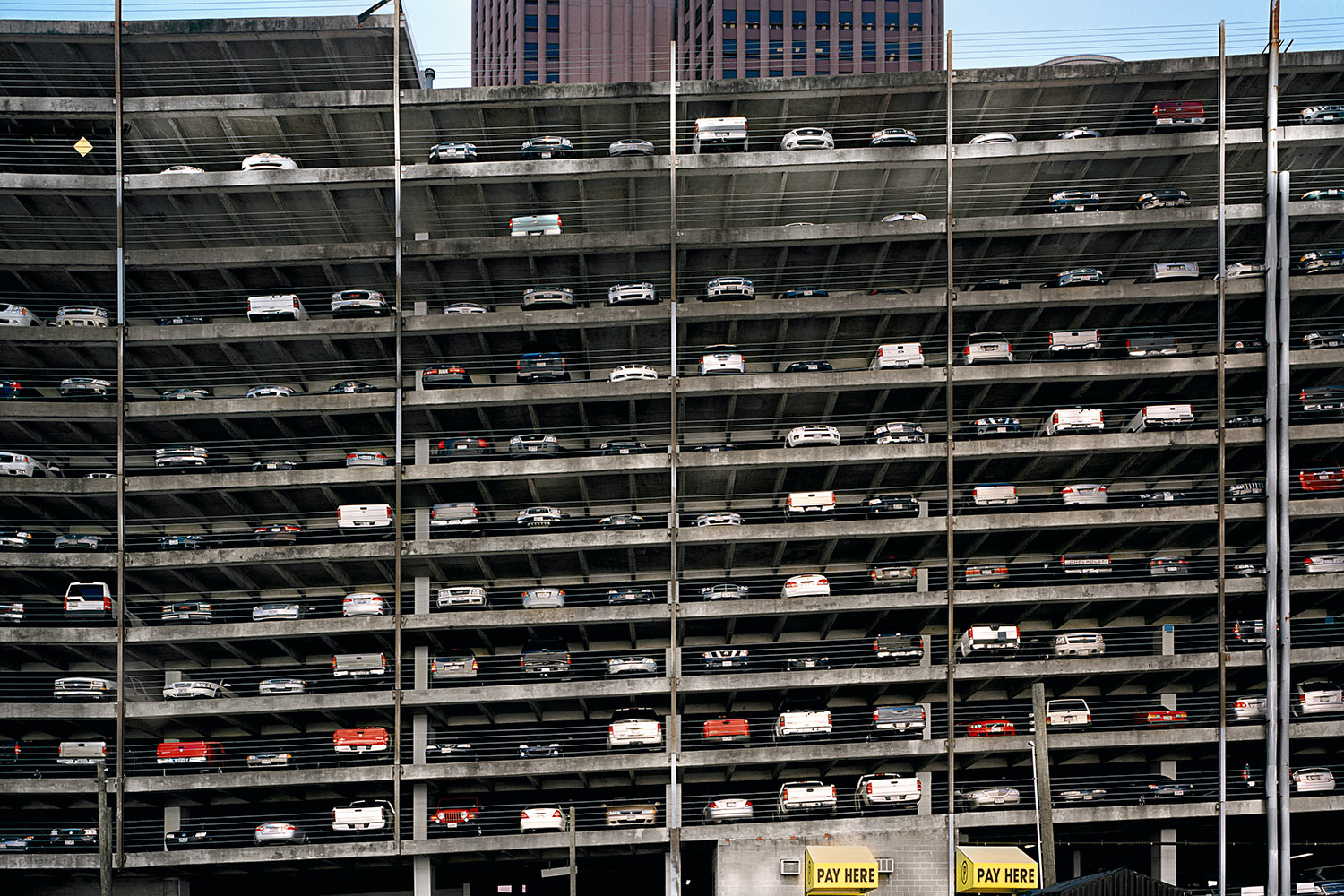
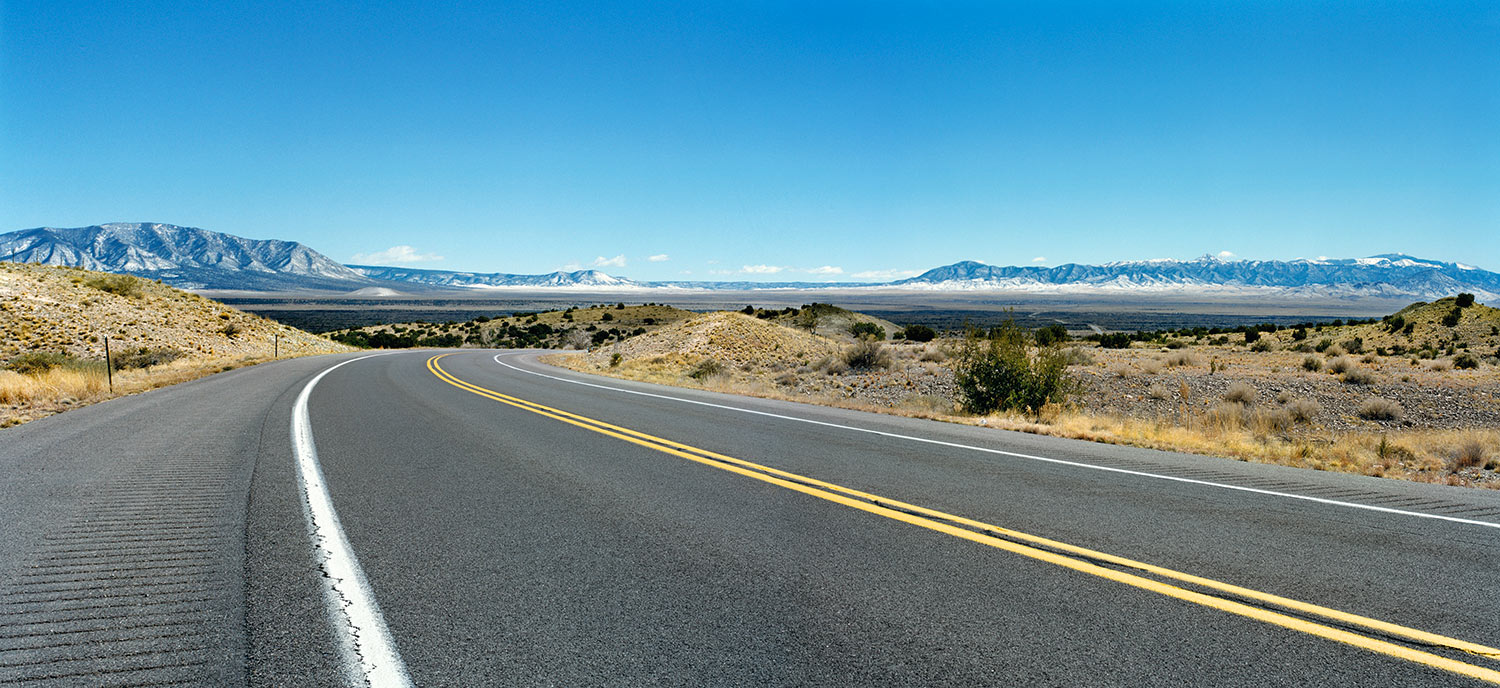
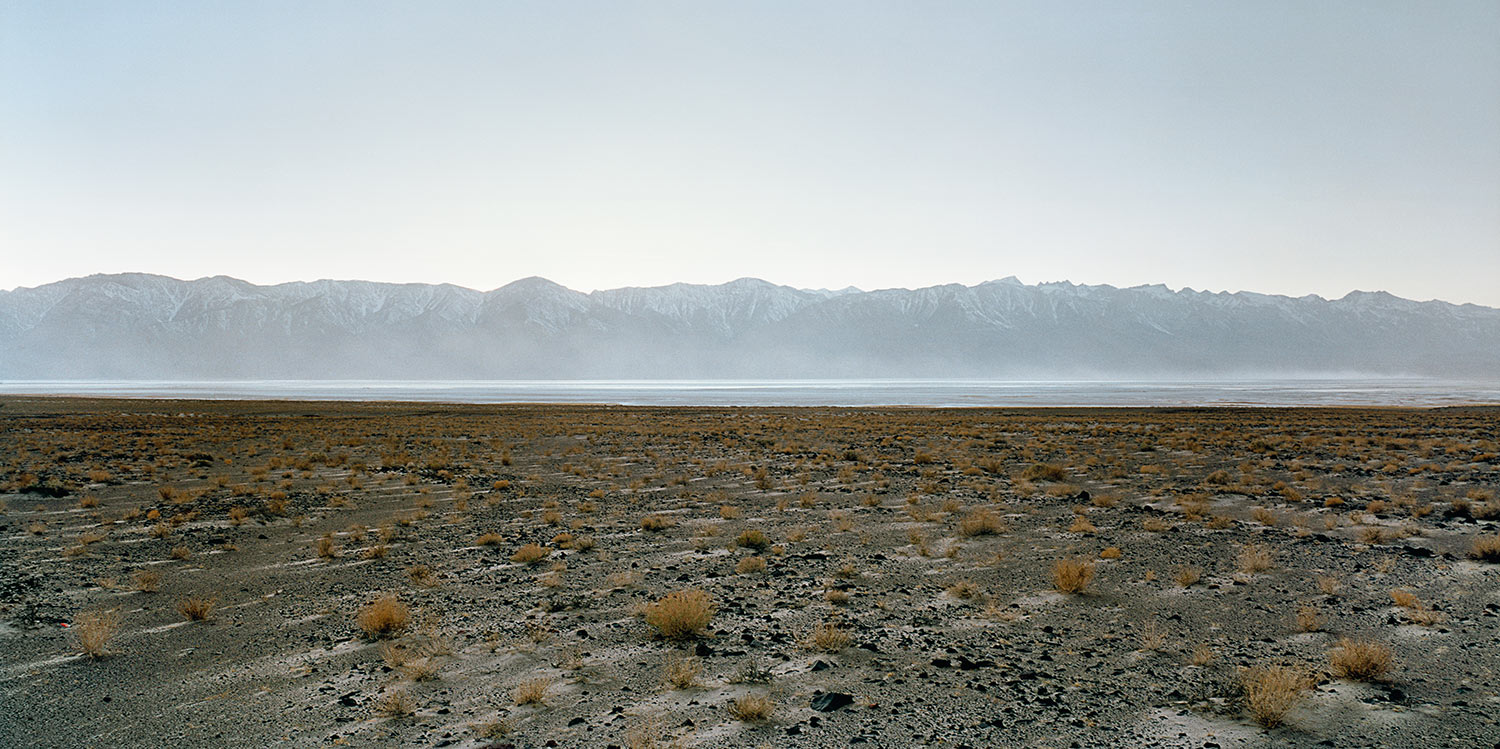
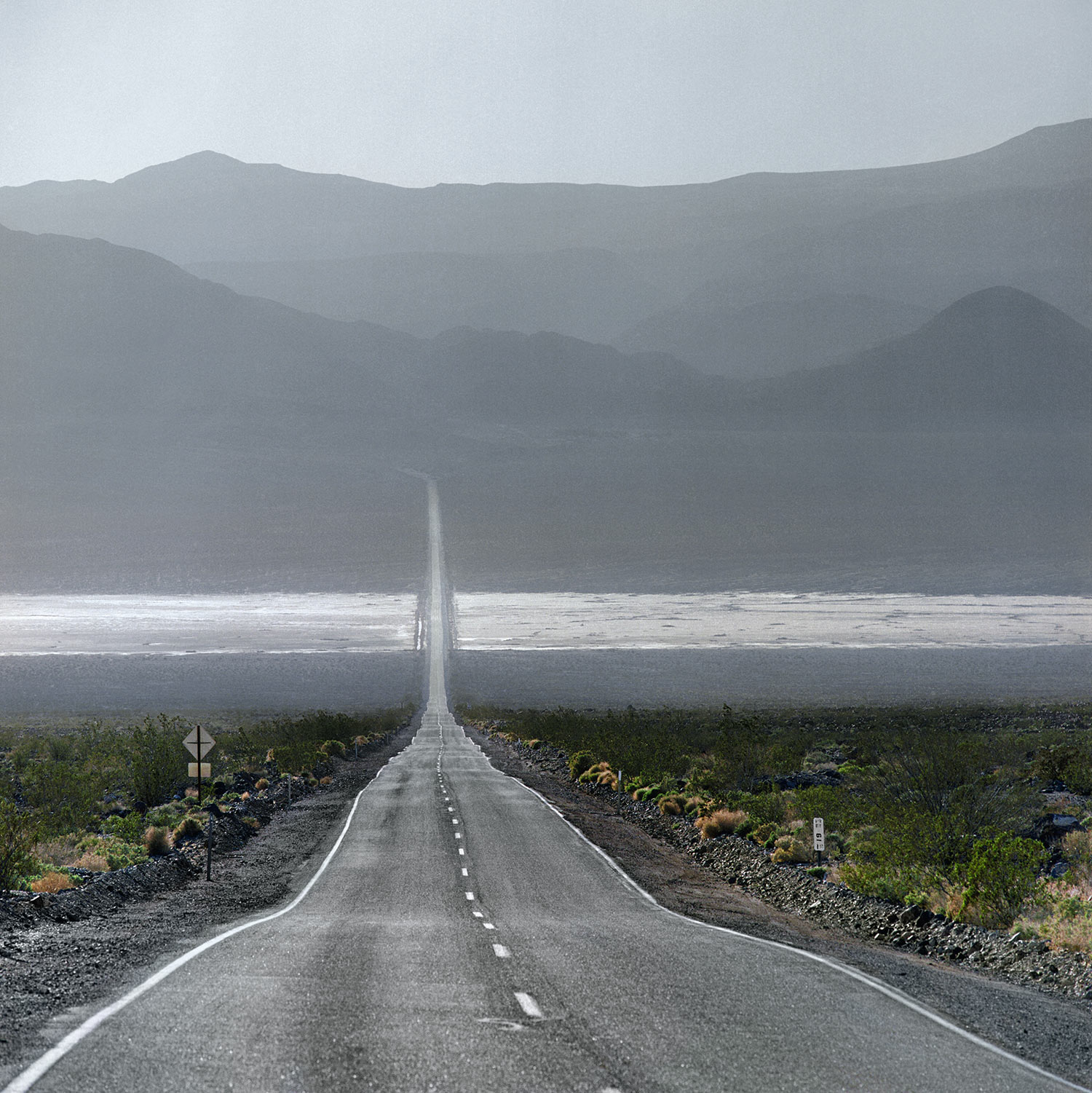
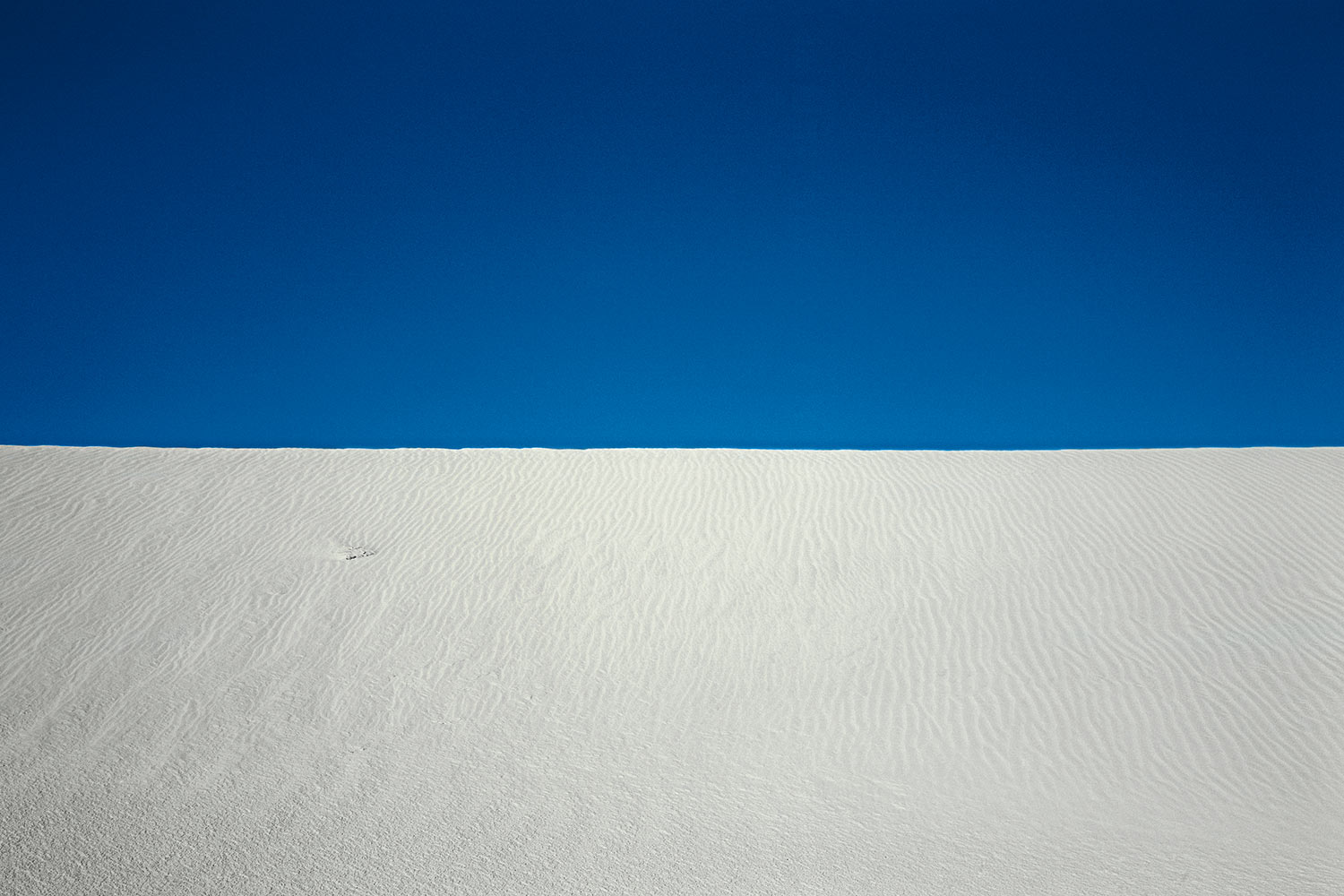
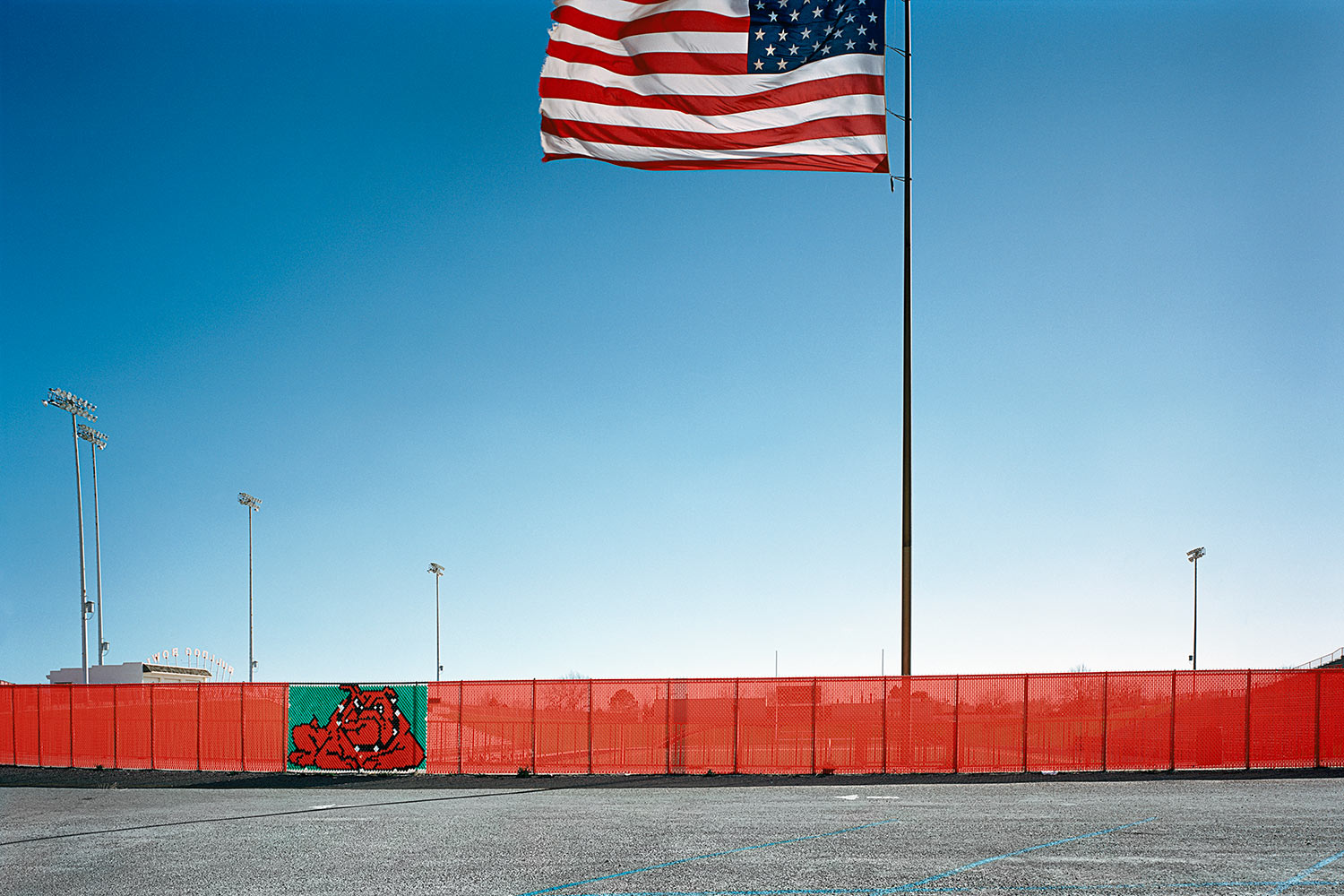
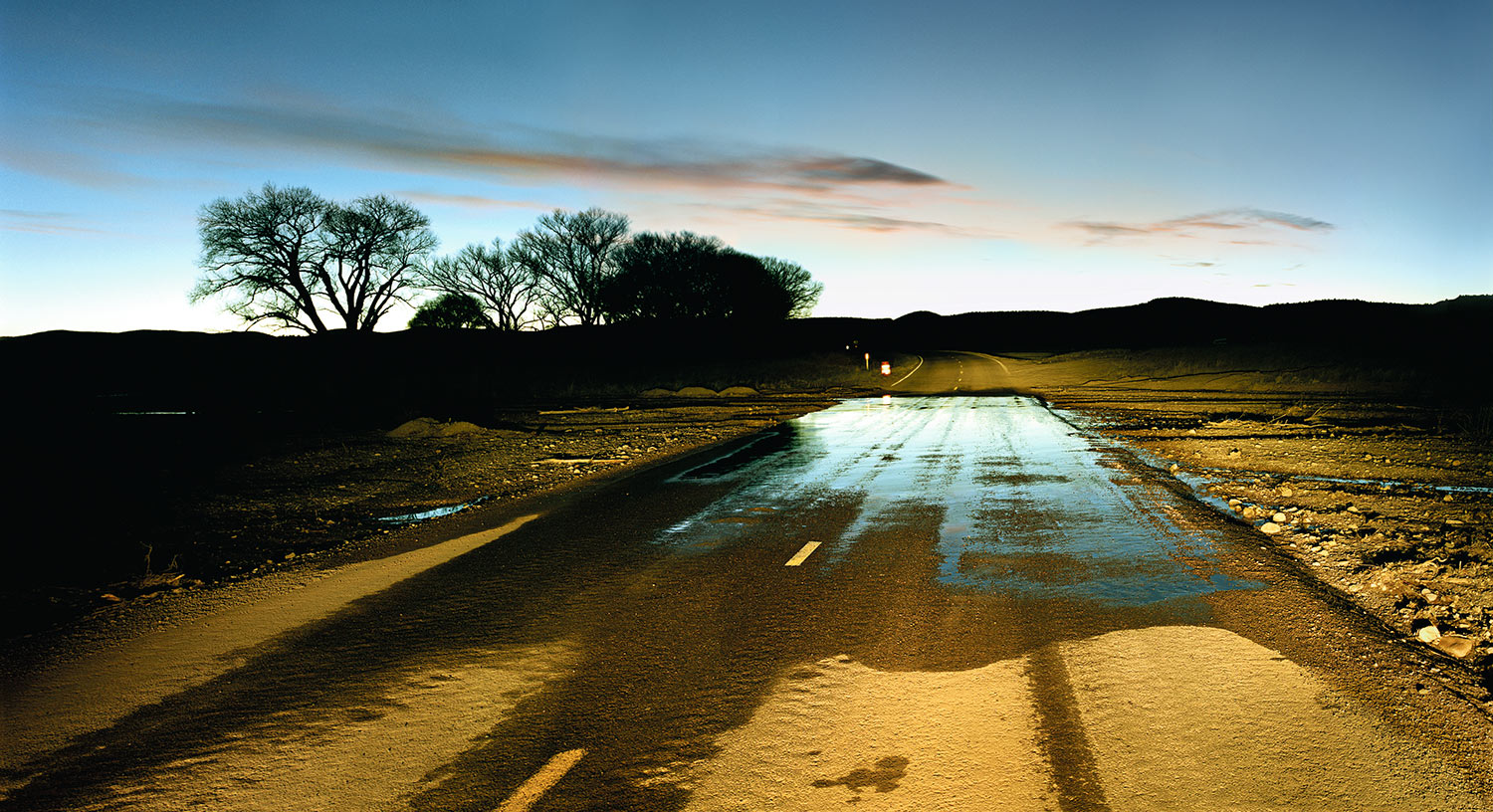
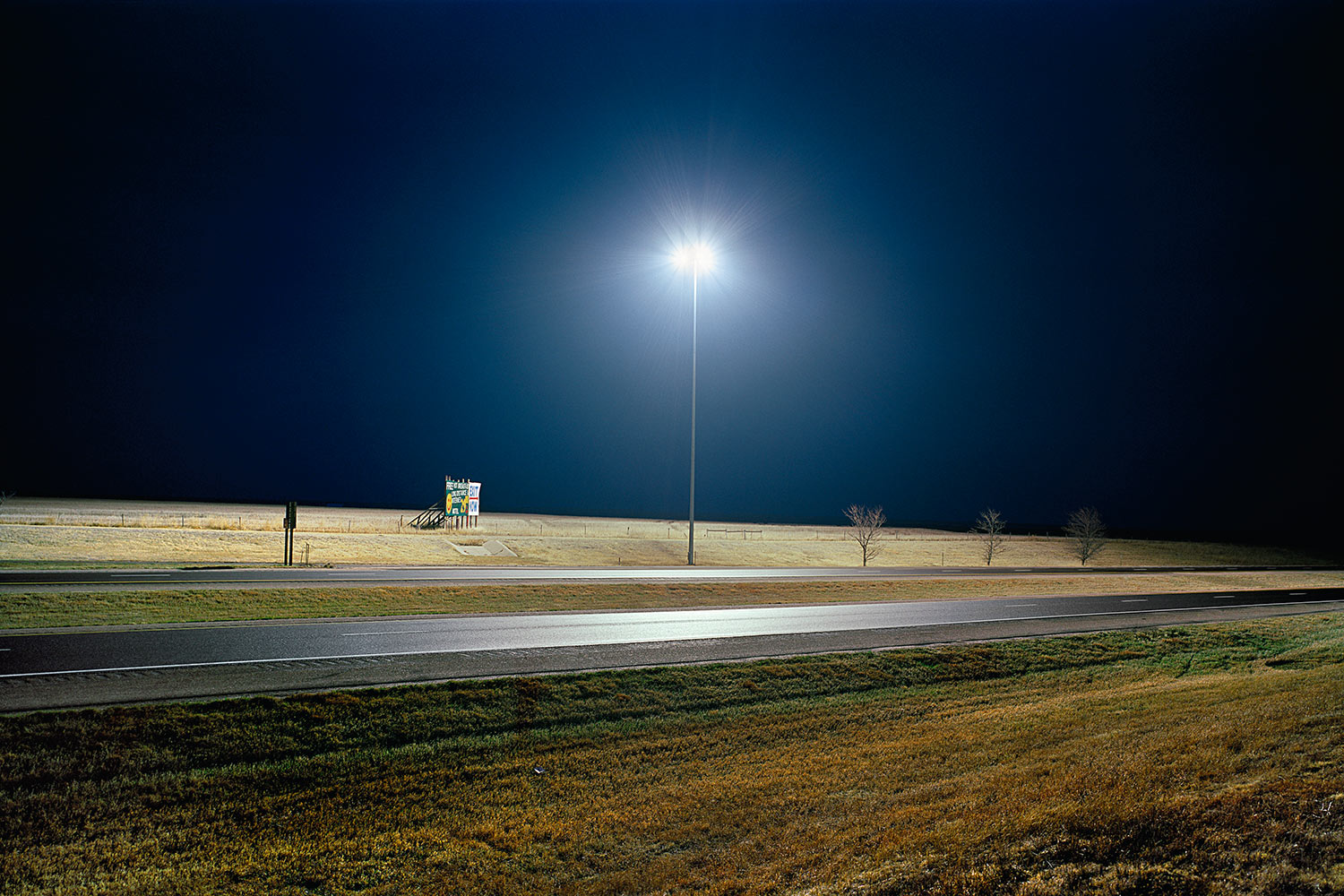
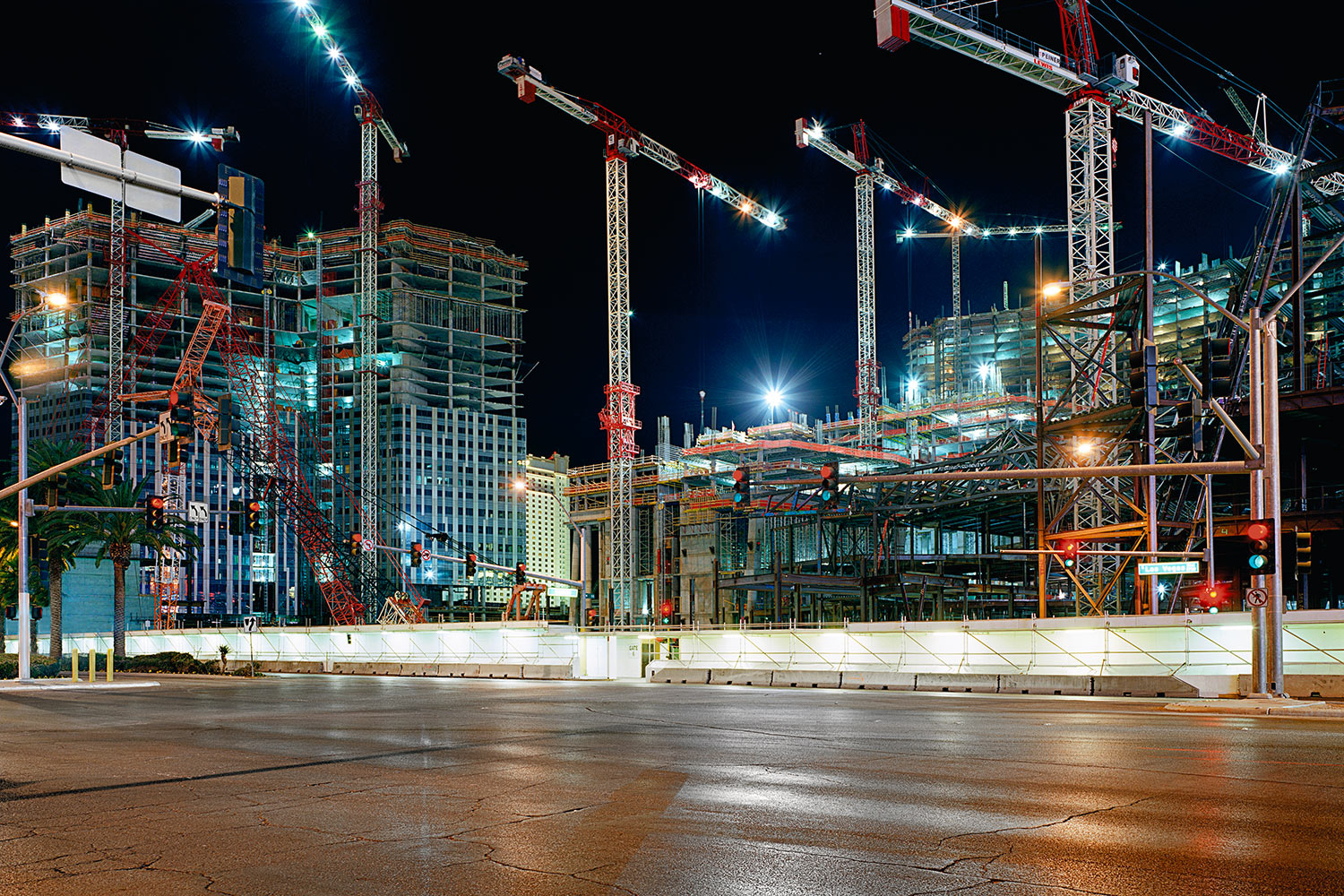
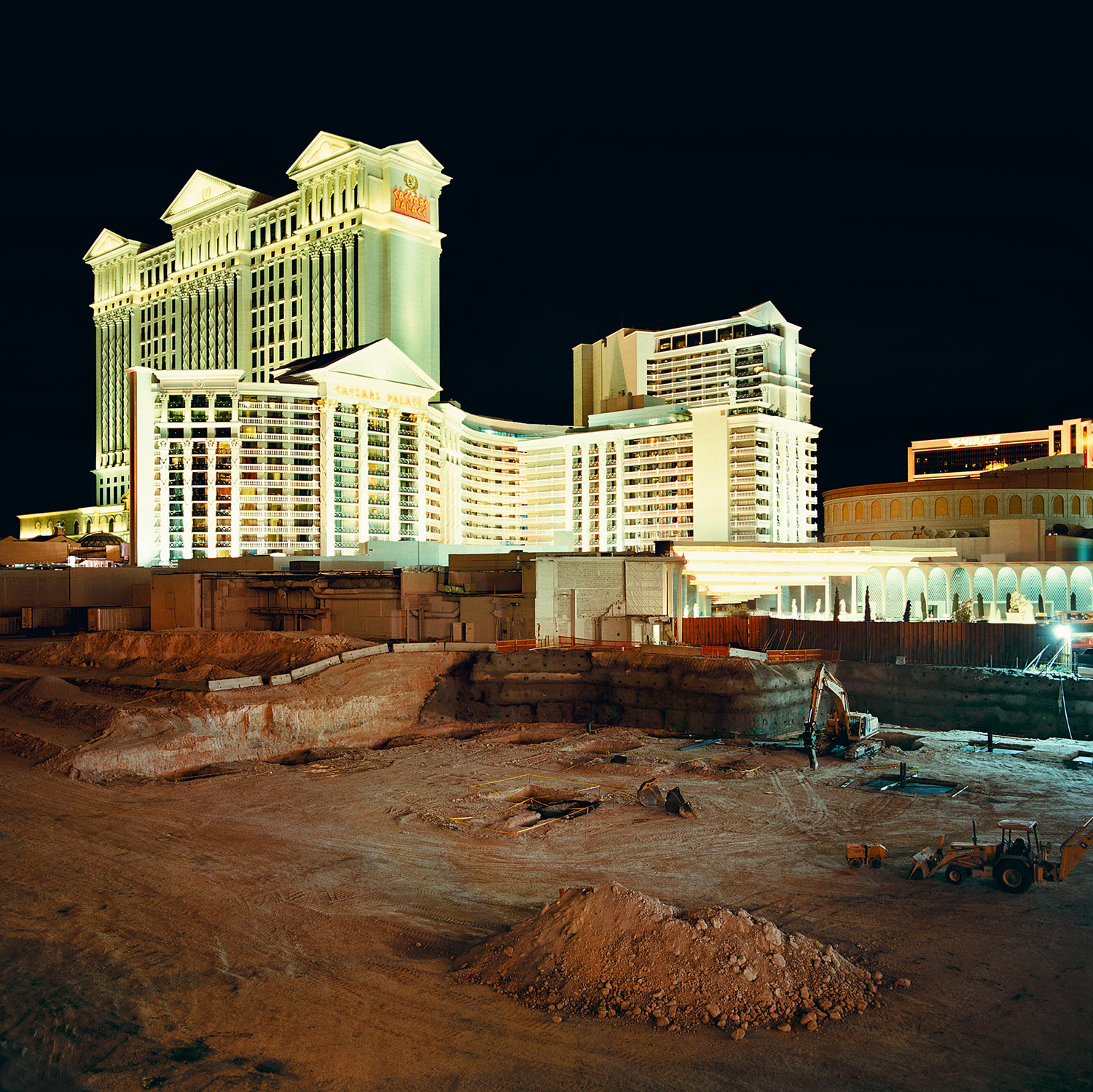
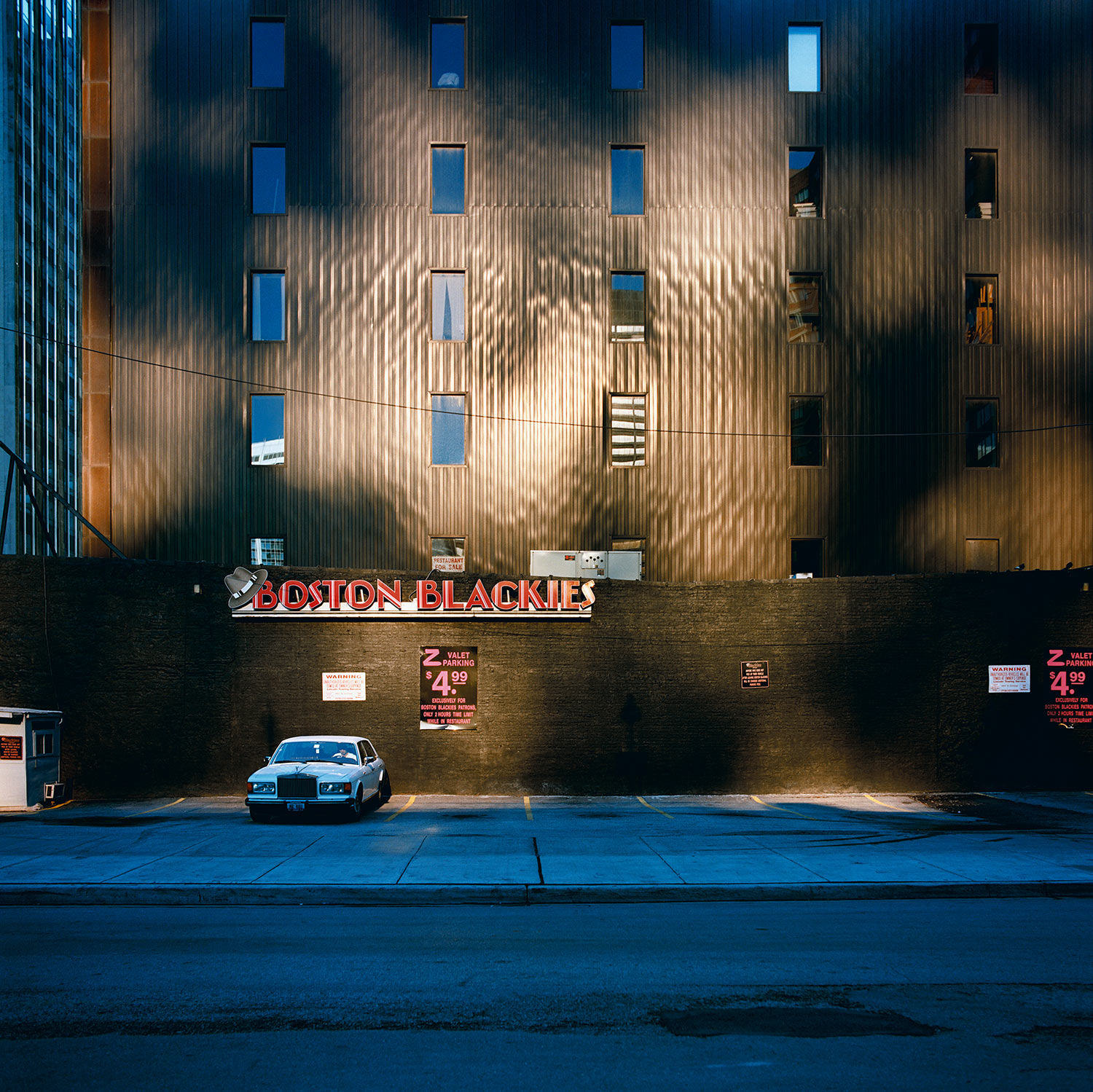
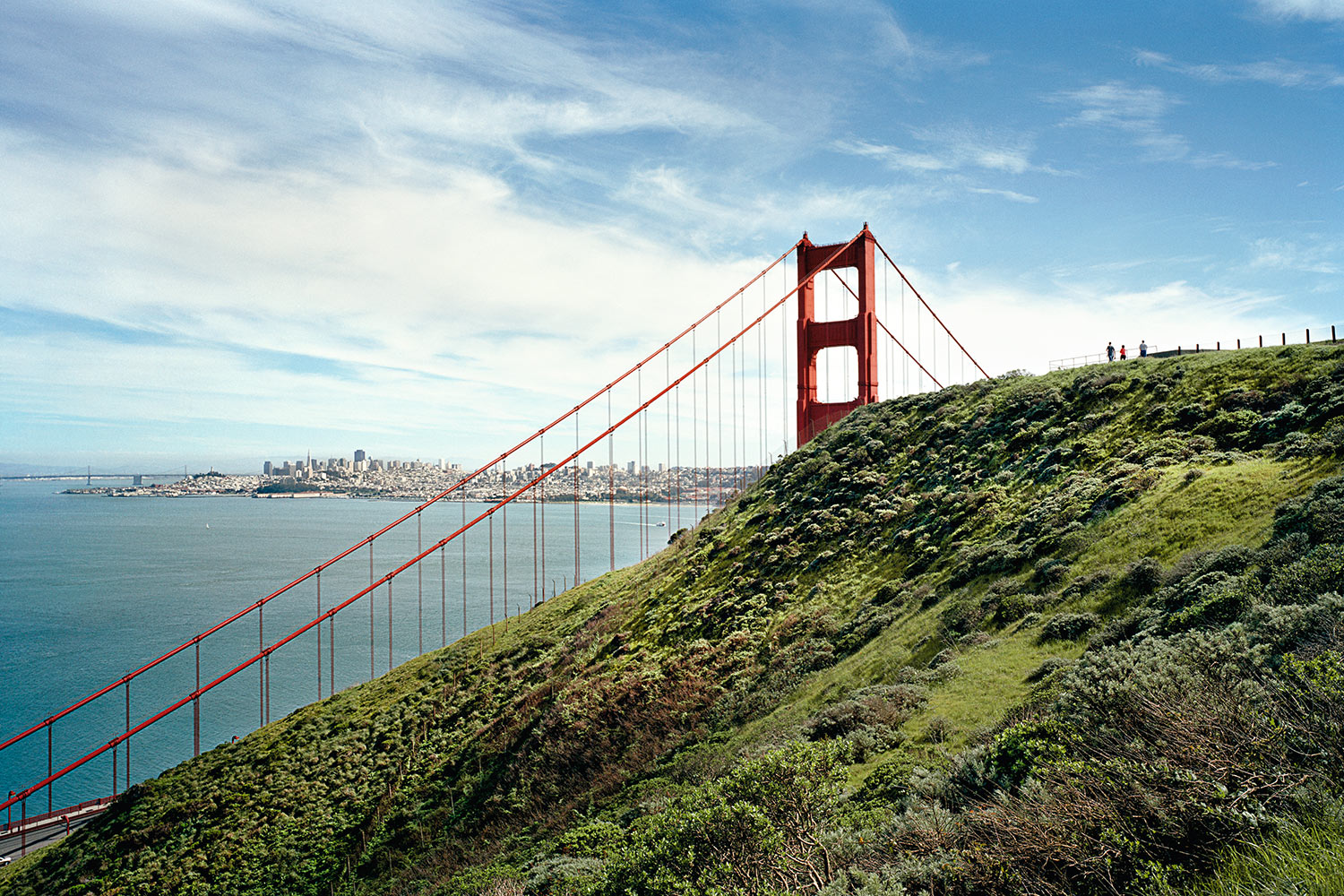
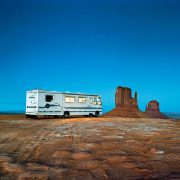
Driving from coast to coast and back in America, like so many photographers before my time, invited by Yale University, with the support of a Fulbright scholarship.
I dreamt it for quite some time. Would I keep on talking about it or would I, finally, find the courage to go the distance?
And enterprise of great pitch and moment
With this regard their currents turn awry
And lose the name of action.
Hamlet, William Shakespeare, 1601
Some actions do not daunt me anymore.
16,994 kilometres in 61 days, crossing States, cities, deserts, and seas.
When driving alone, time expands; you become either the voice and its echo, or just the silence. You are there because you drove yourself, you will arrive where you are headed, sooner or later, depending on how long you bear to drive; you distance yourself from home as much as you move towards the opposite direction.
I travelled longer and further than I could have ever imagined. My eyes see clearer, now, a little further down the road.
With this journey, I had the rare opportunity to meet with myself again after a long time.
Portfolio created: 2007-2016
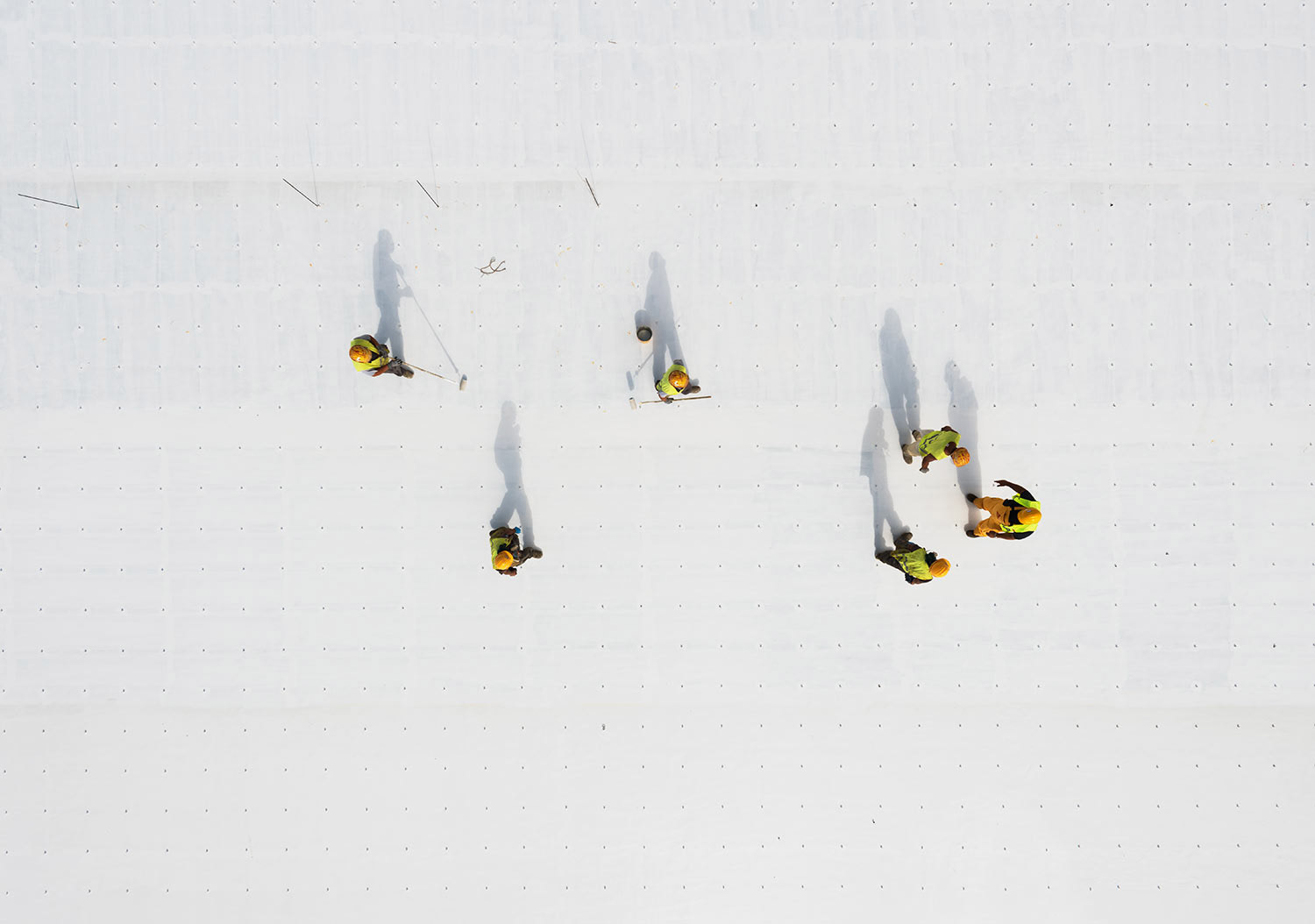
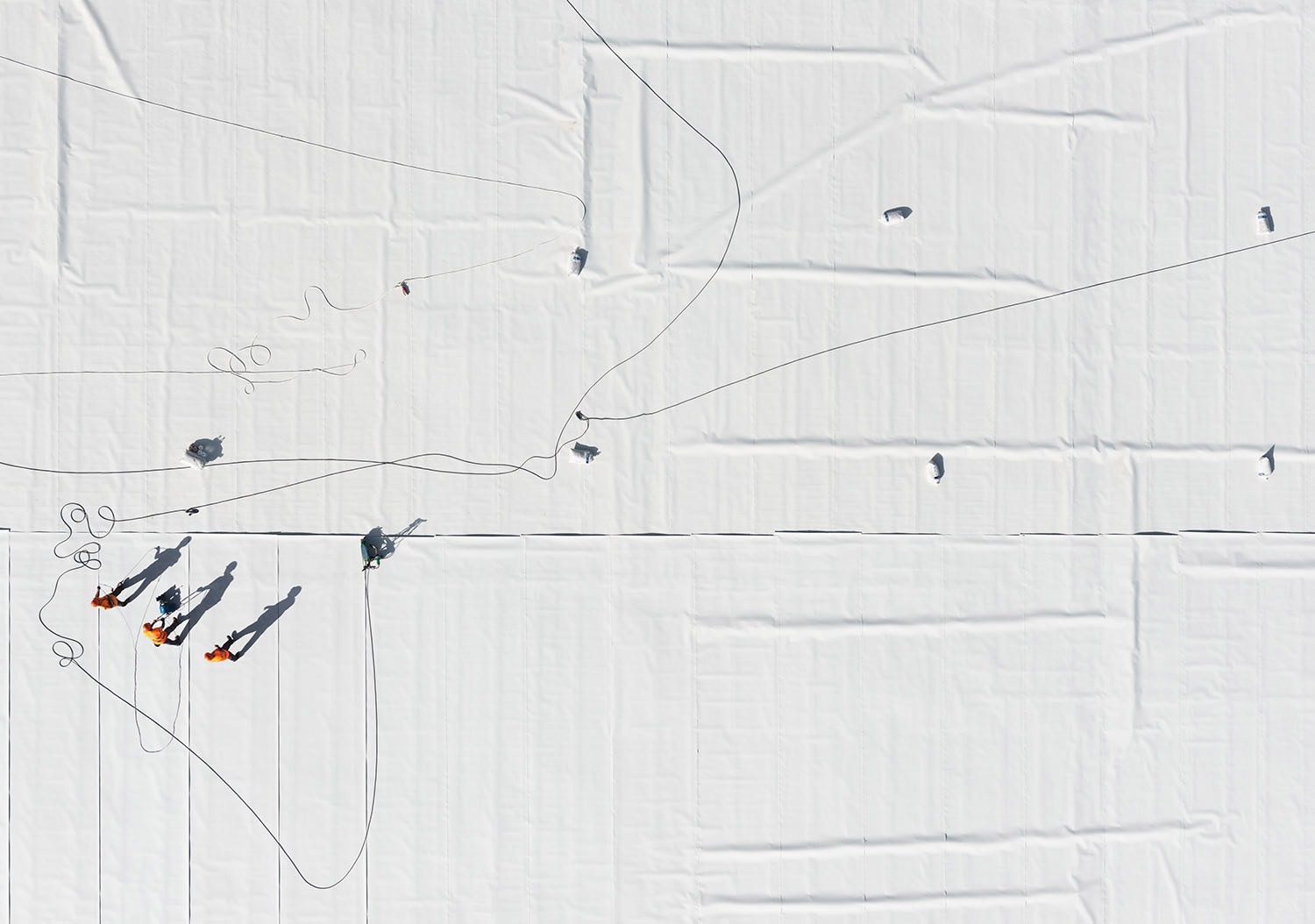
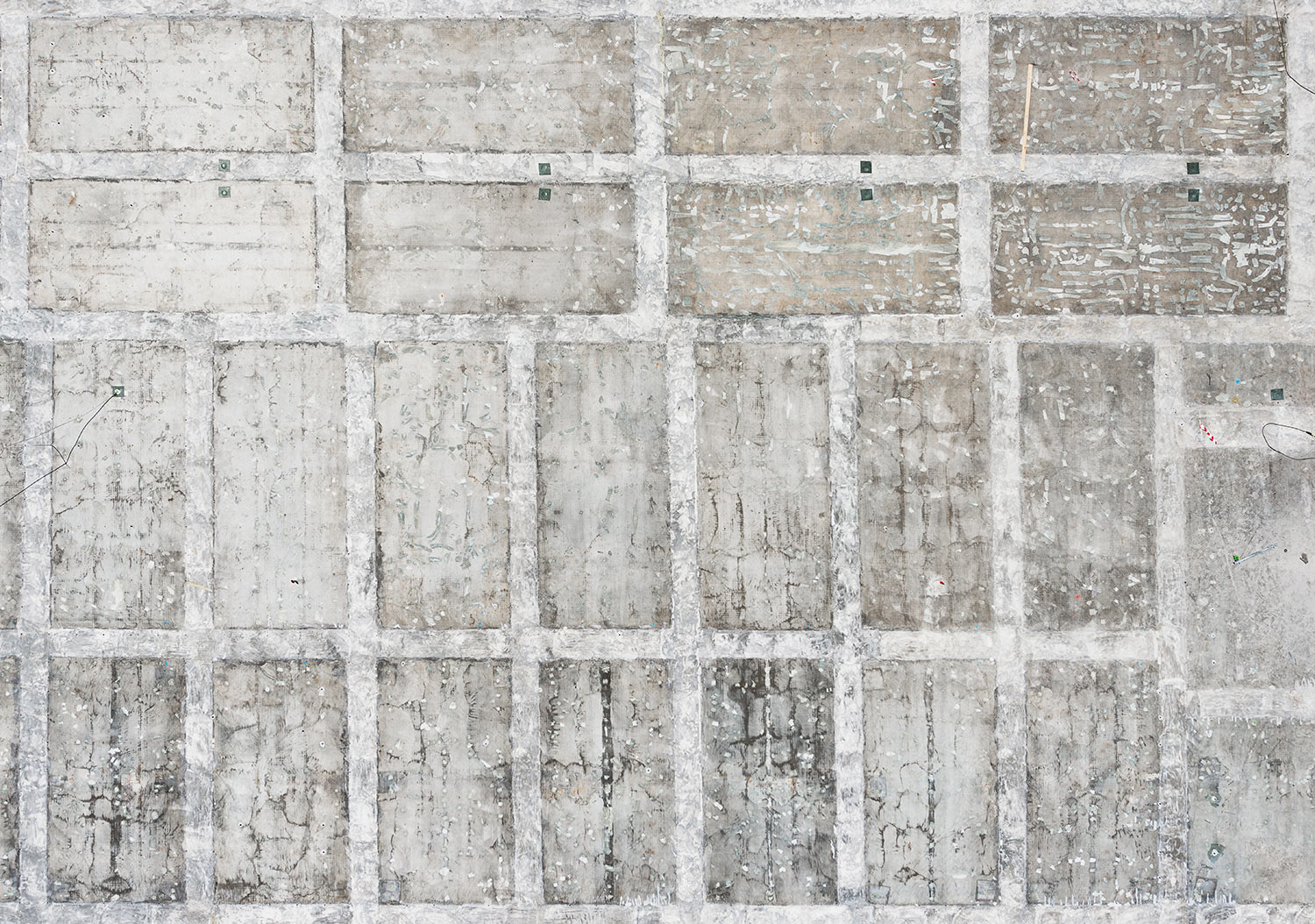
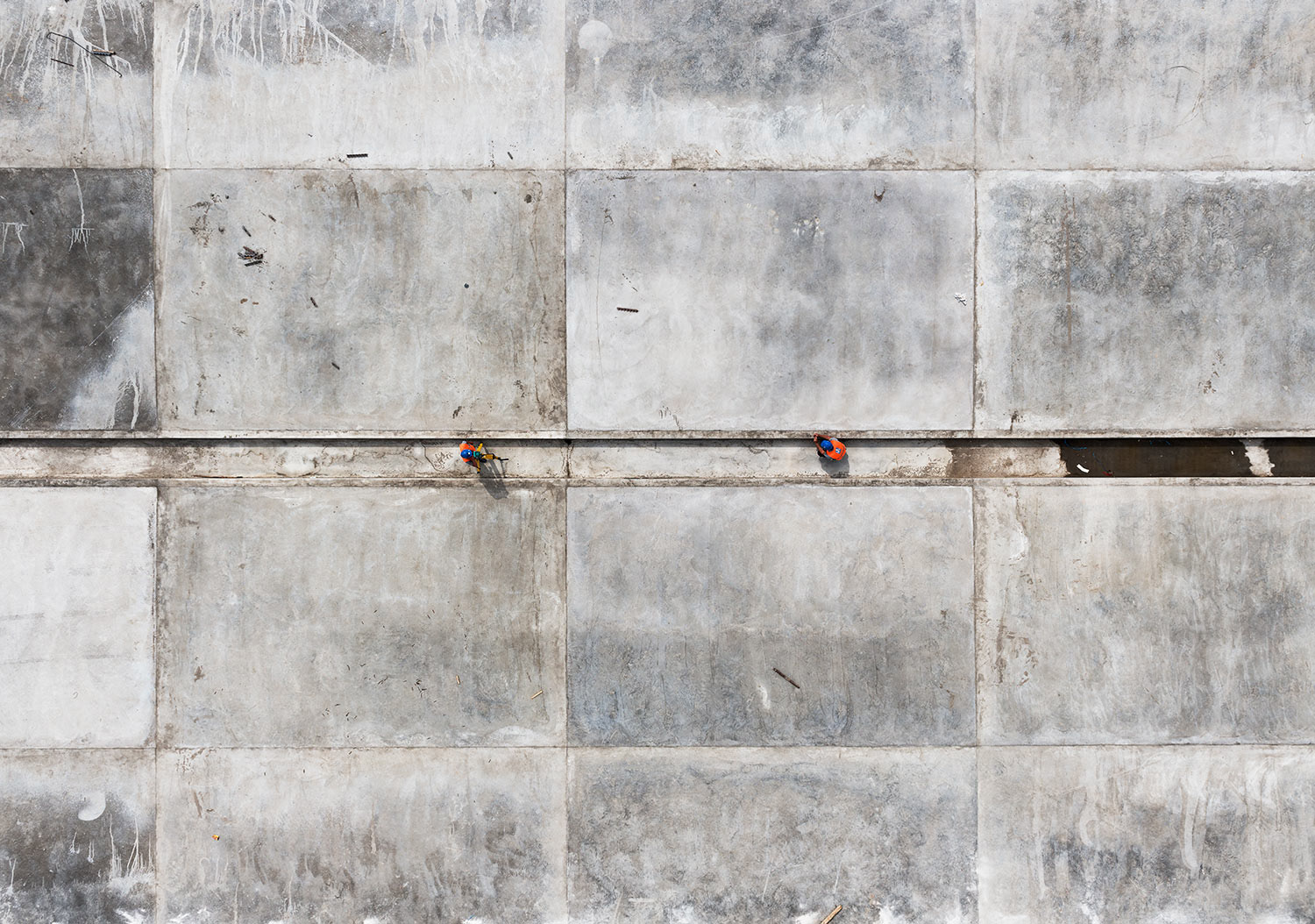
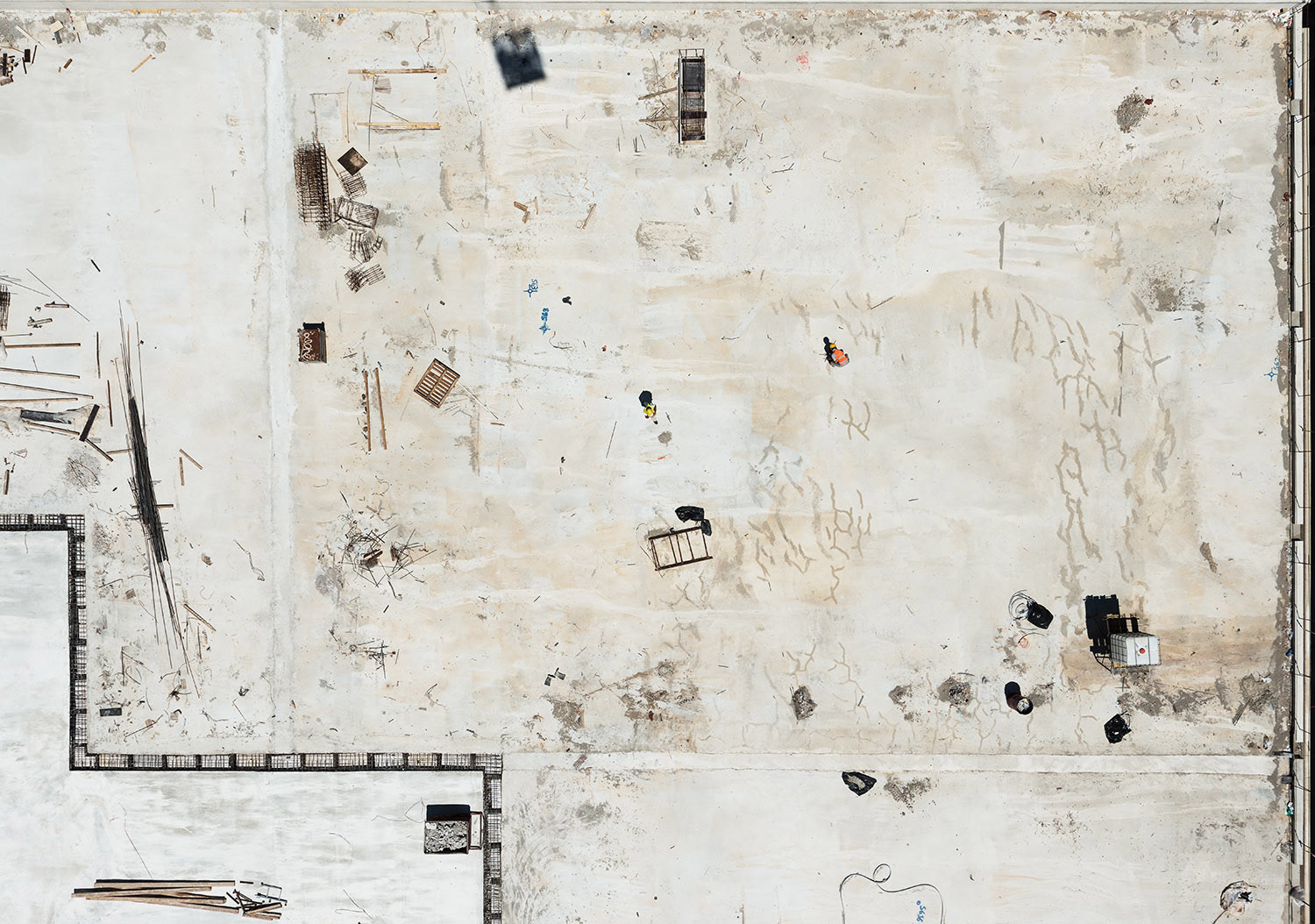
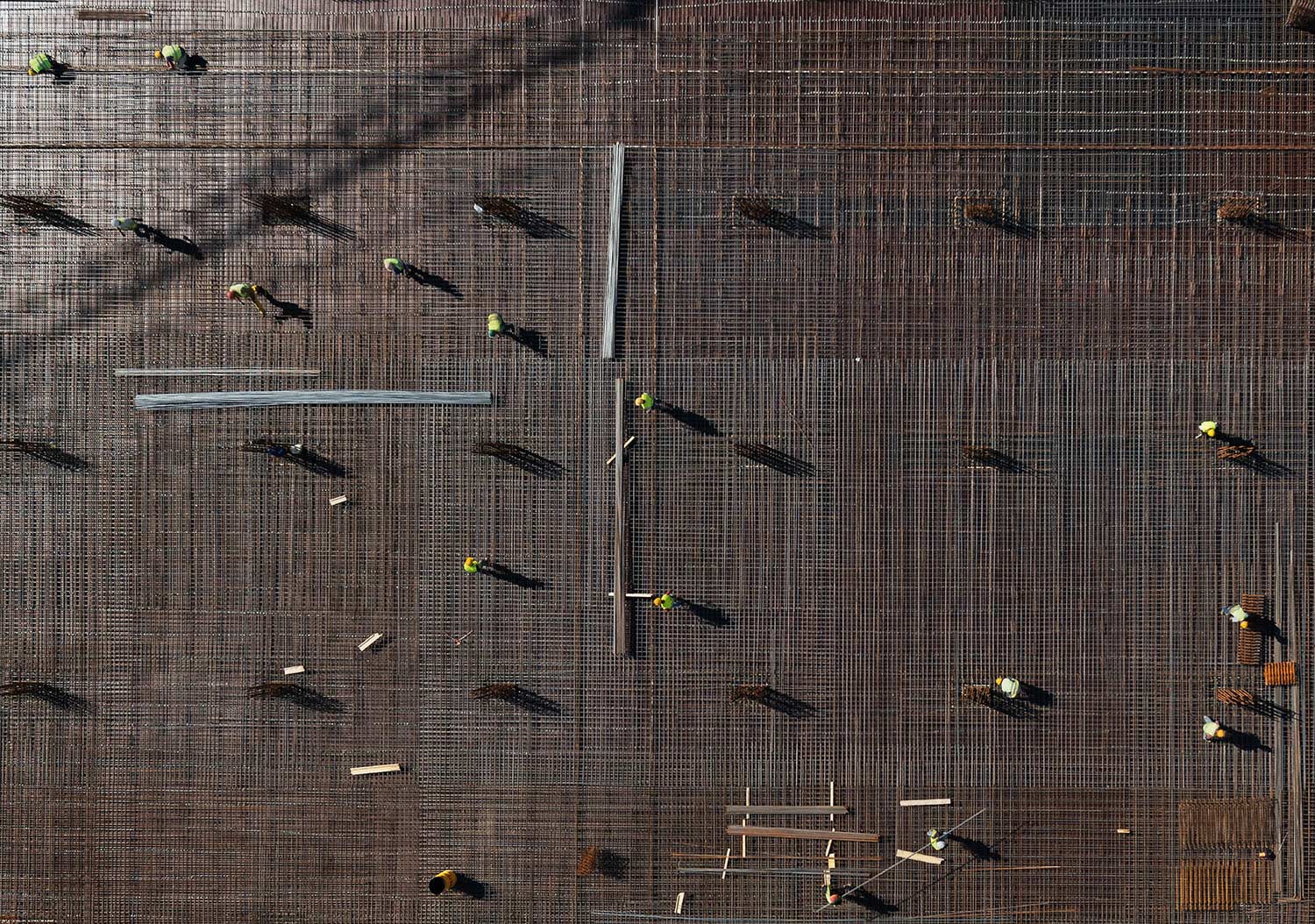
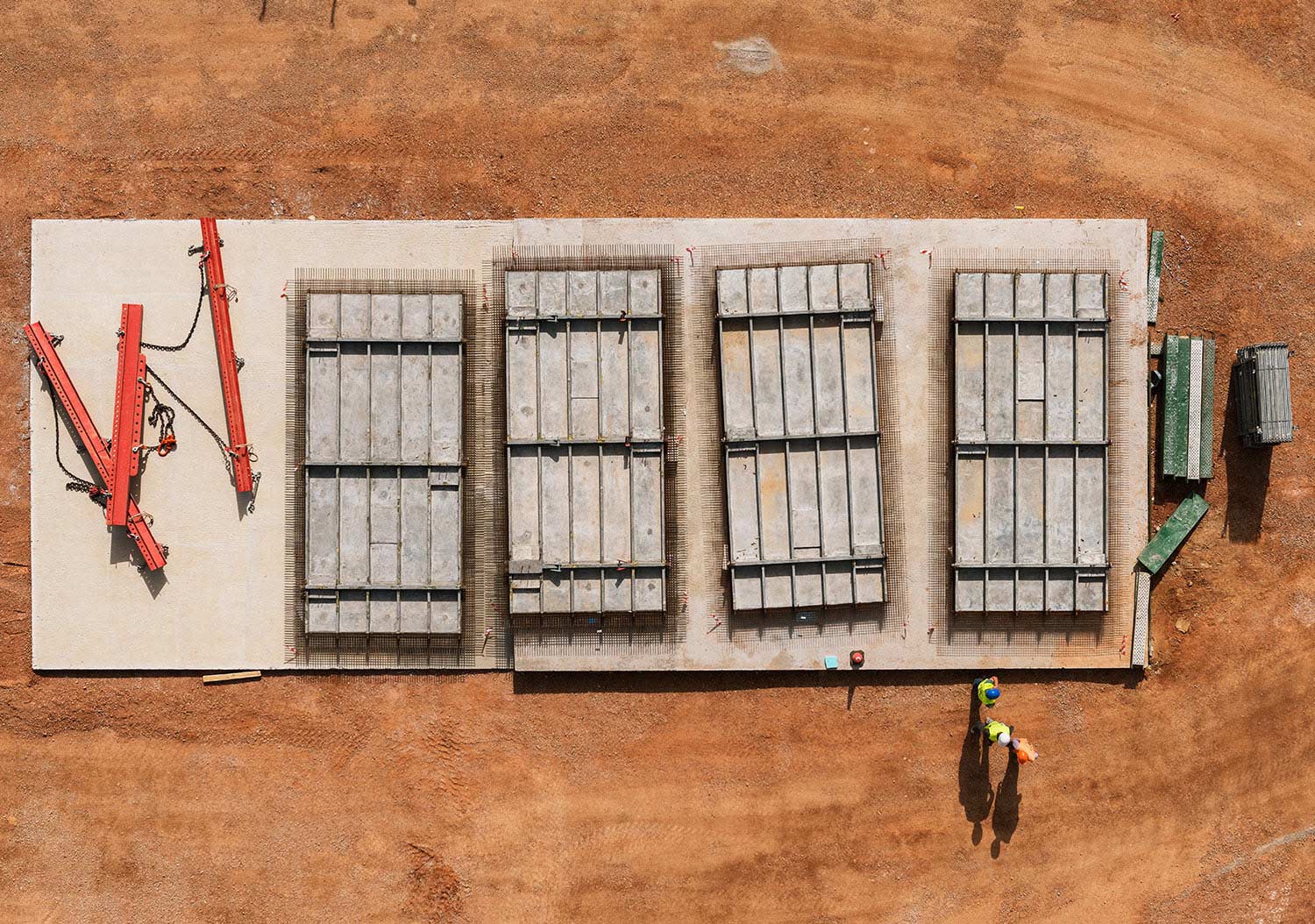
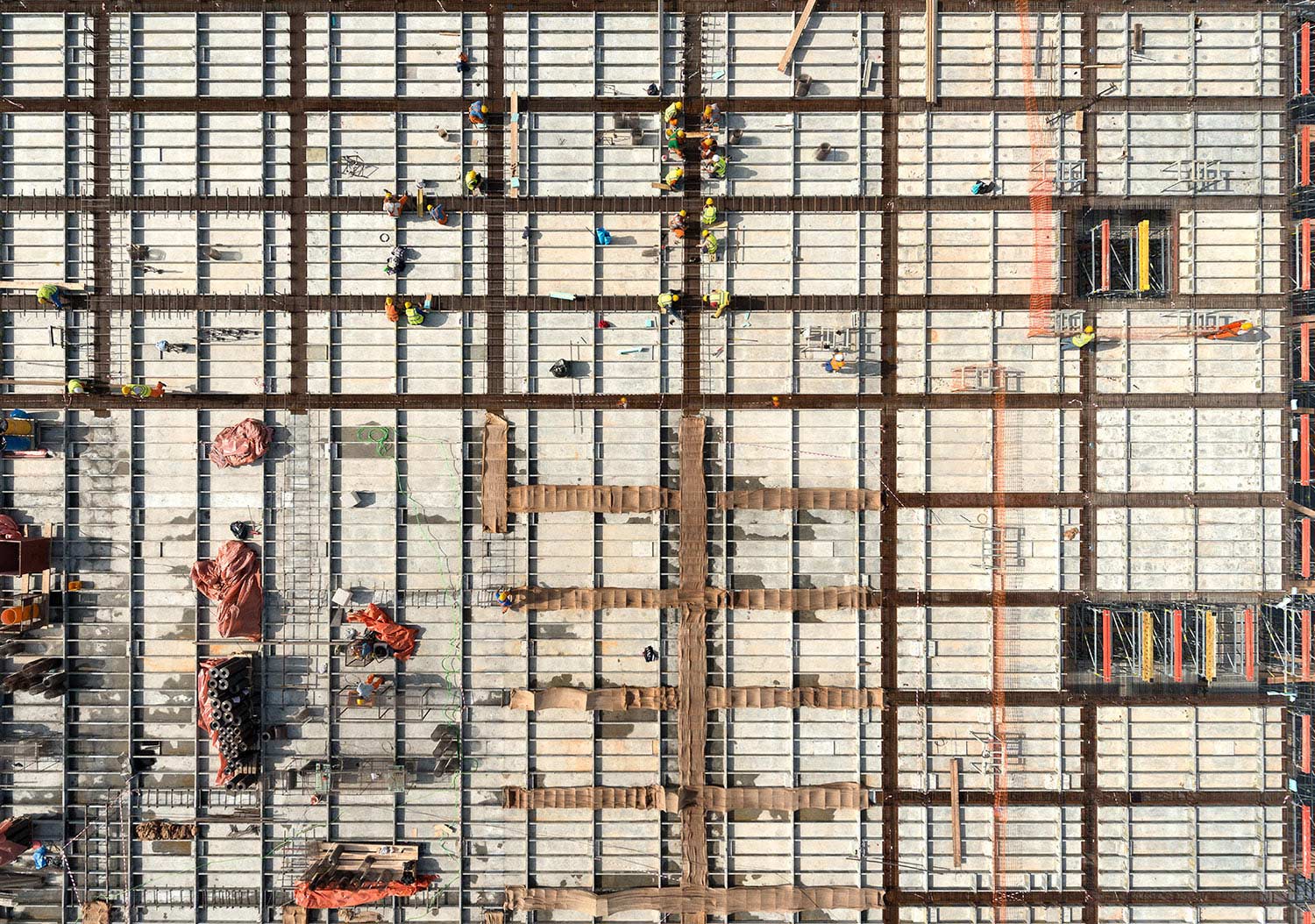
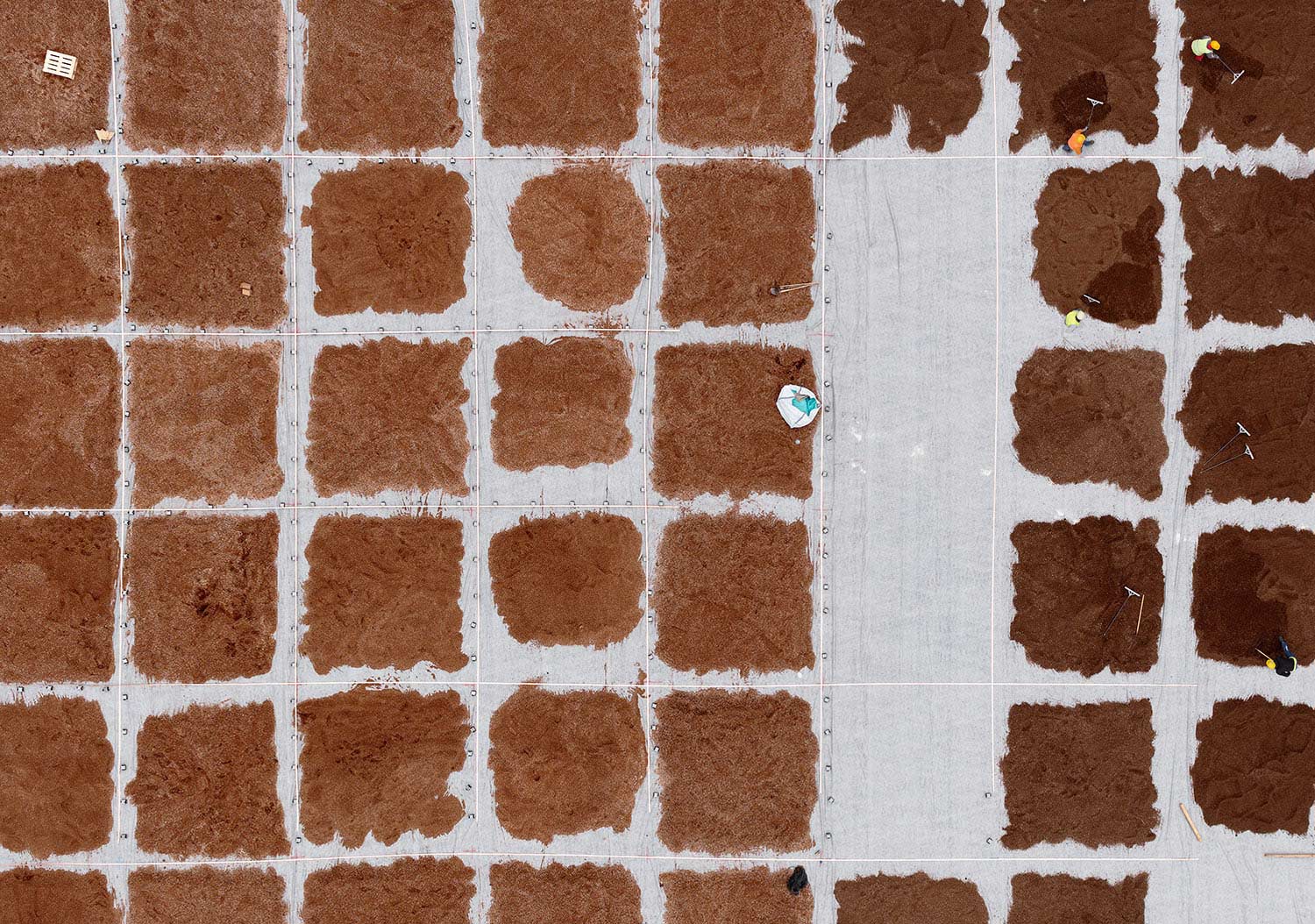
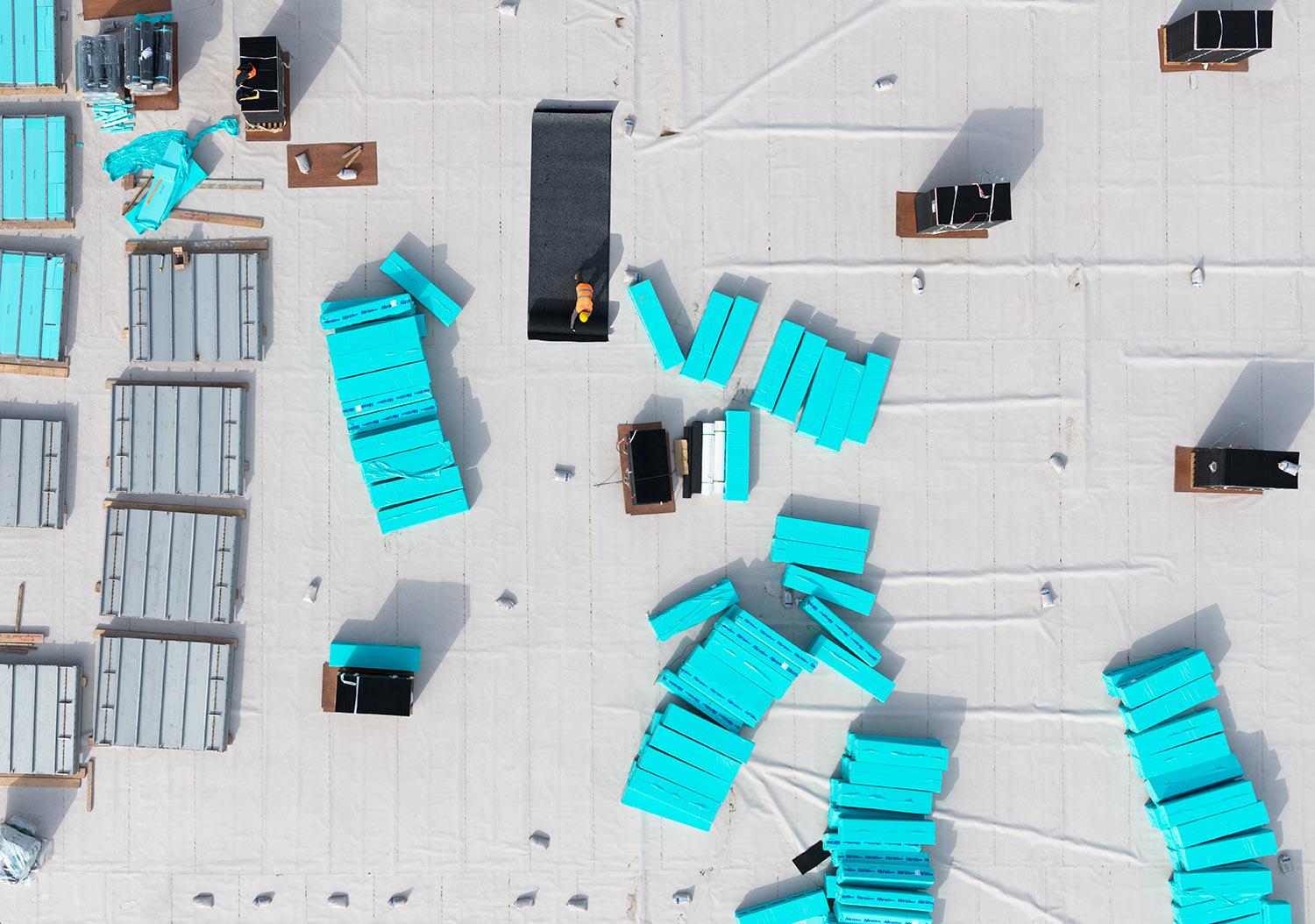
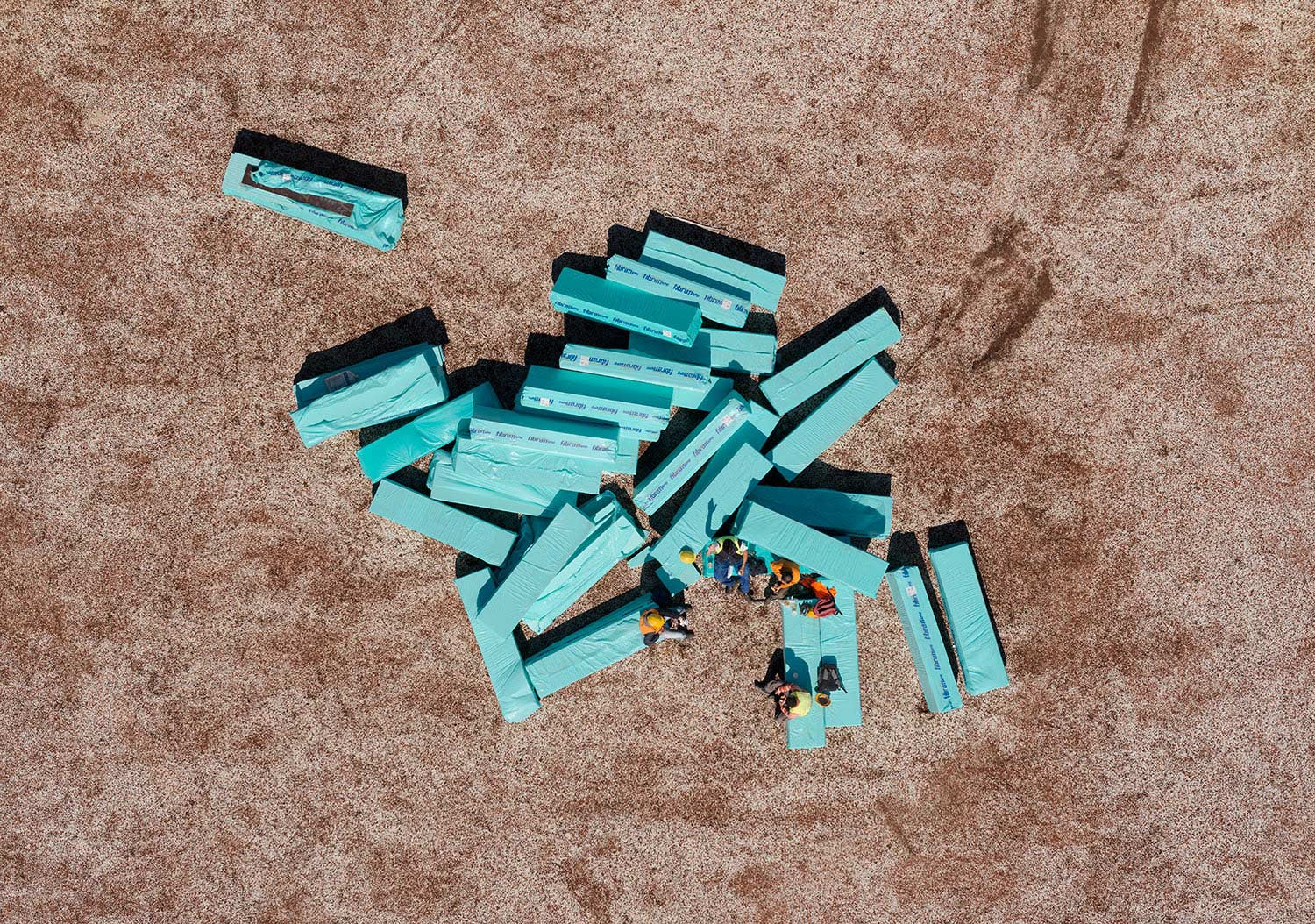
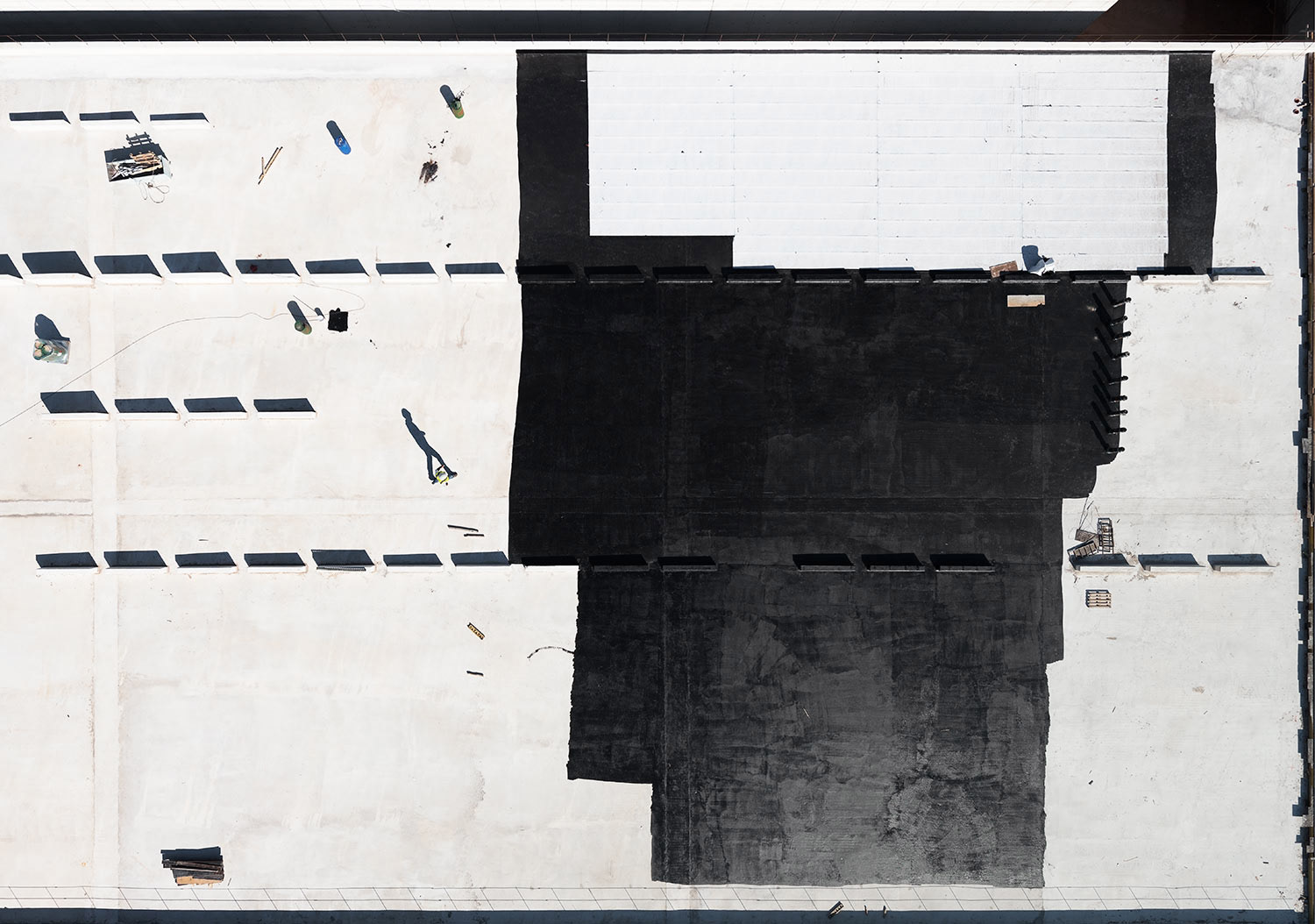
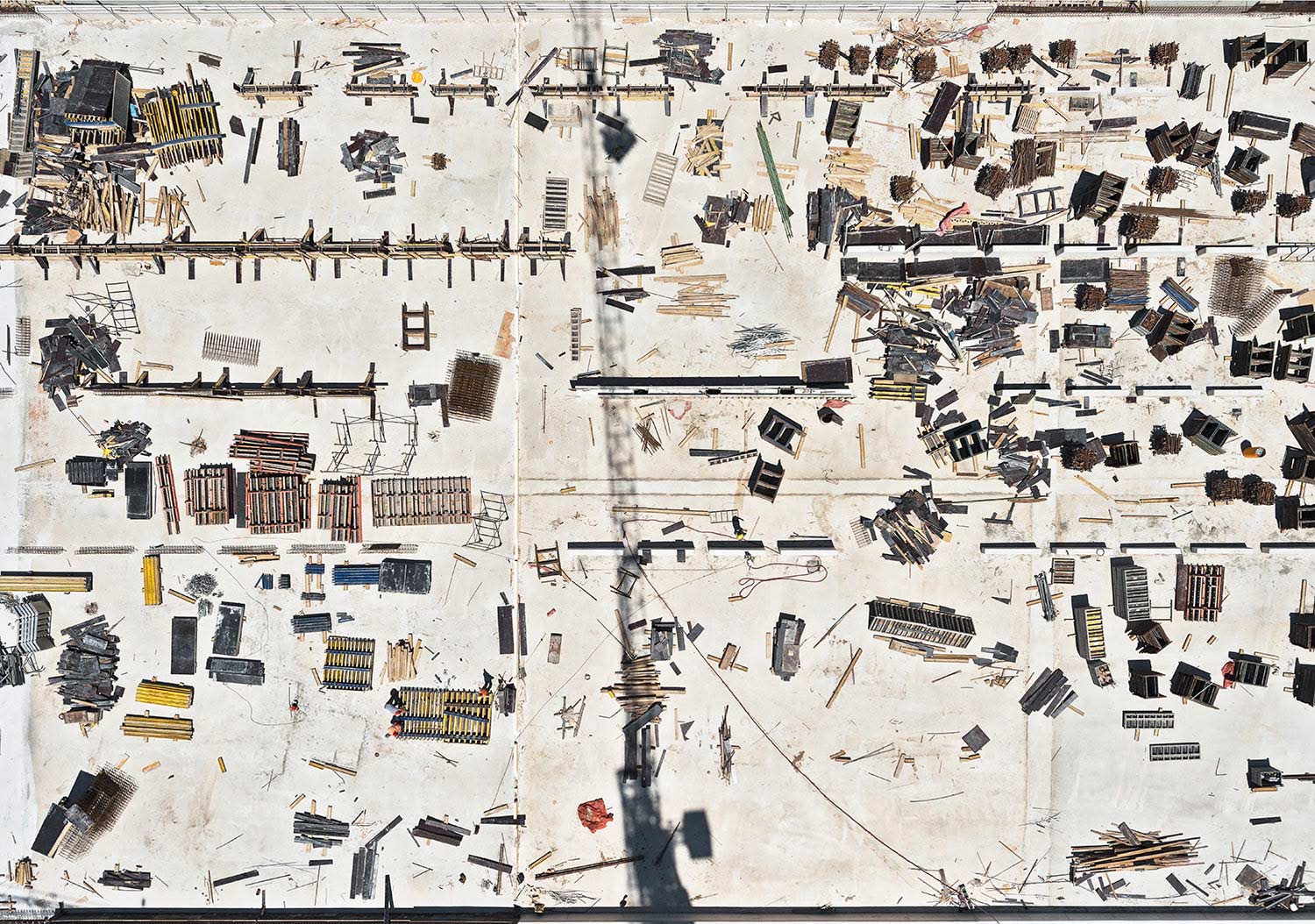
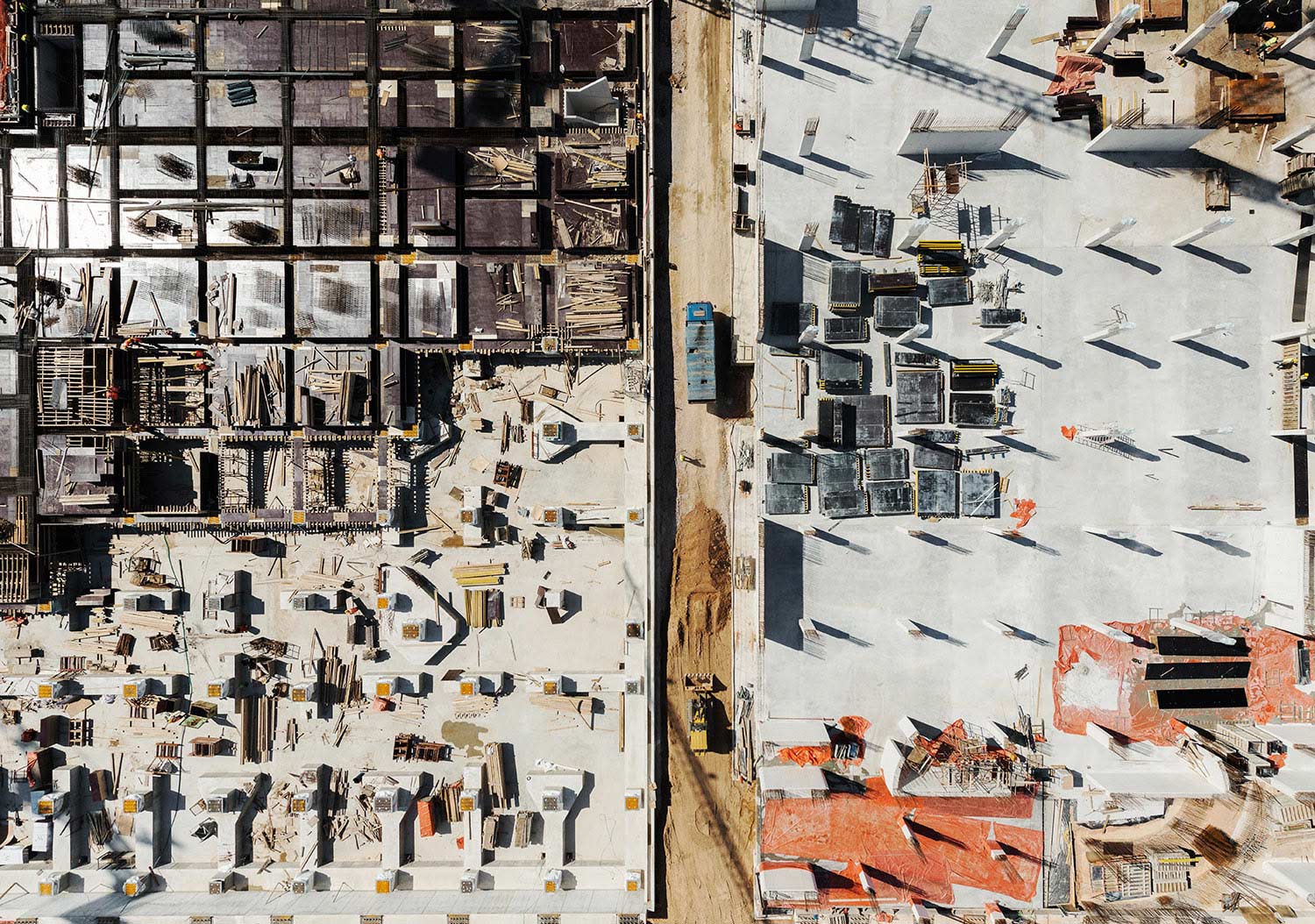
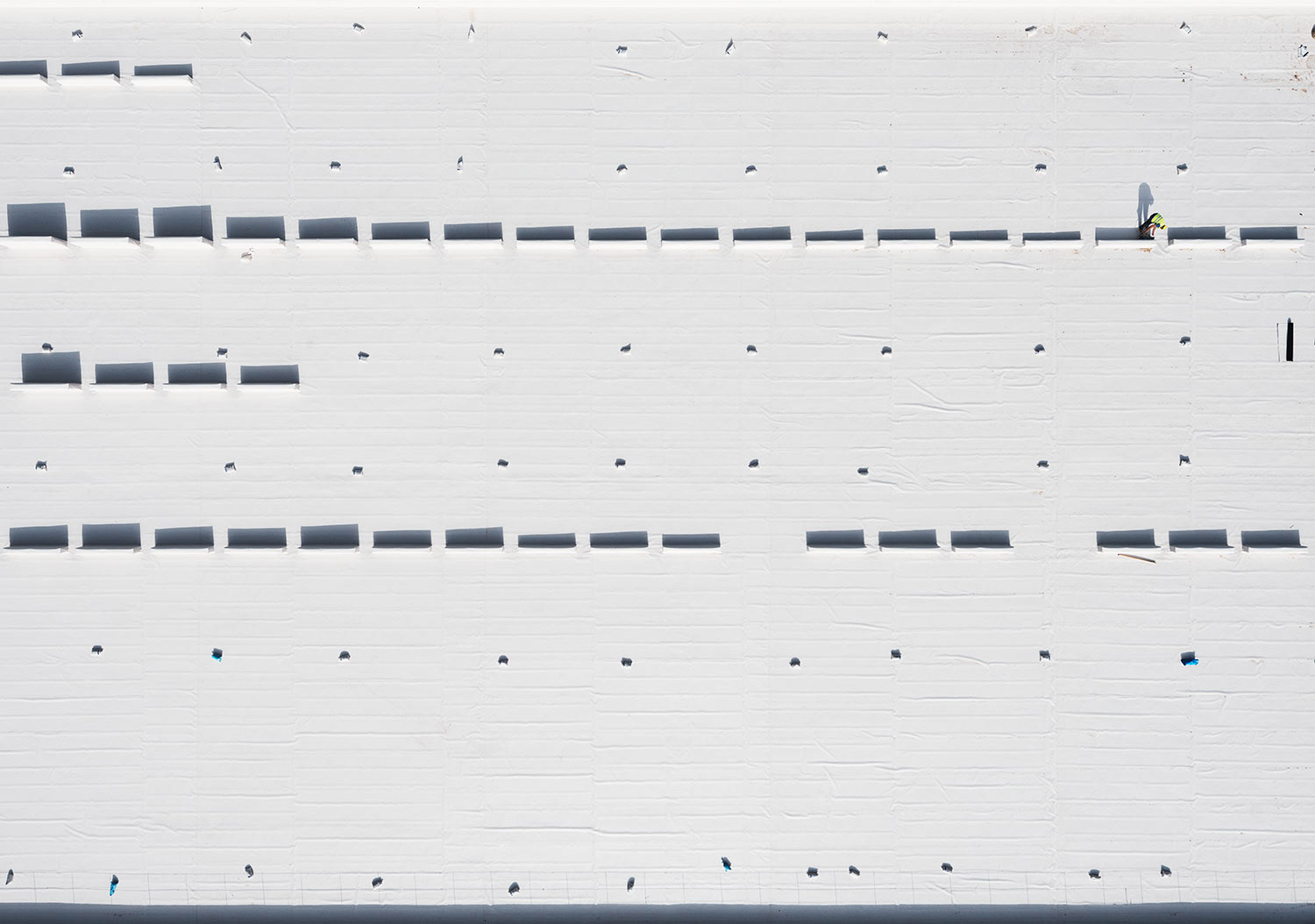
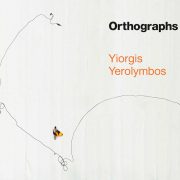
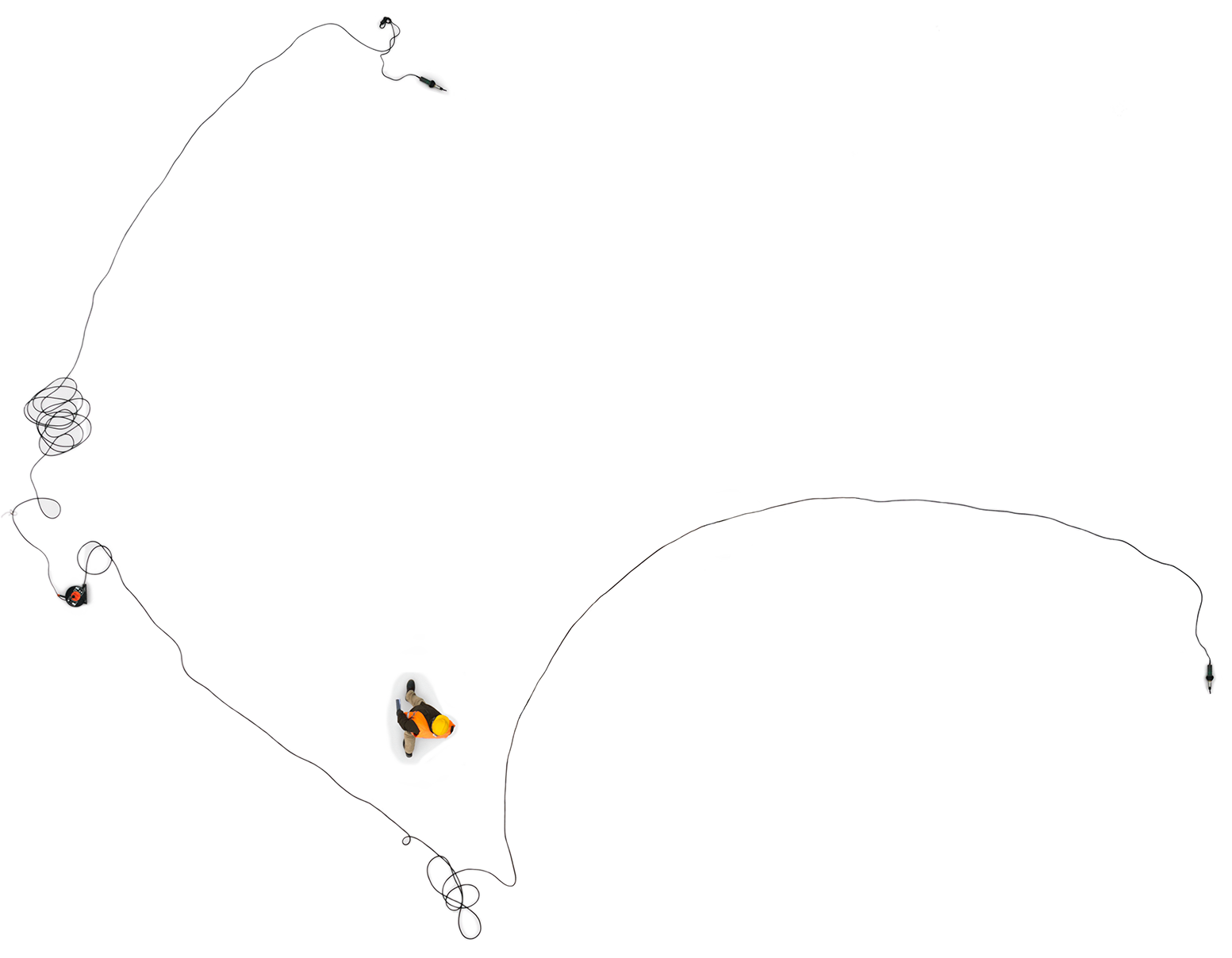
This photographic essay traces the development of Renzo Piano’s new Stavros Niarchos Foundation Cultural Centre, a multifunctional complex for arts, education, and entertainment in Athens. Intrigue and beauty was sought after in the grit of the construction site, where for nearly a decade the ephemeral forms that underlie and foretell the shape of the future landmark were meticulously recorded from the height provided by the site’s construction tower cranes. Deriving its title from architectural orthographic drawings, Orthographs tracks the progress of the building’s construction site against Piano’s visionary projections and plans. In the photographs of the Stavros Niarchos Cultural Center, the effects of perspective are recorded with precision, and human scale is accounted for with consistency.
A hope is expressed that—just as the architectural drawing has its own life, separate and free from the bricks-and-mortar structure—the photographs may hold their own meaning, as documents of this extraordinary building project, and perhaps something more. The Orthographs volume distributed by Yale University Press, offers rare, behind-the-scenes access to the work performed and the land and materials moved in the service of turning vision into reality. The large format invites readers to immerse themselves in the photographs and texts by Renzo Piano and Robert and Katharine Storr hail the importance of the Centre and its role in transforming the physical and cultural topography of Athens.
Portfolio created: 2016
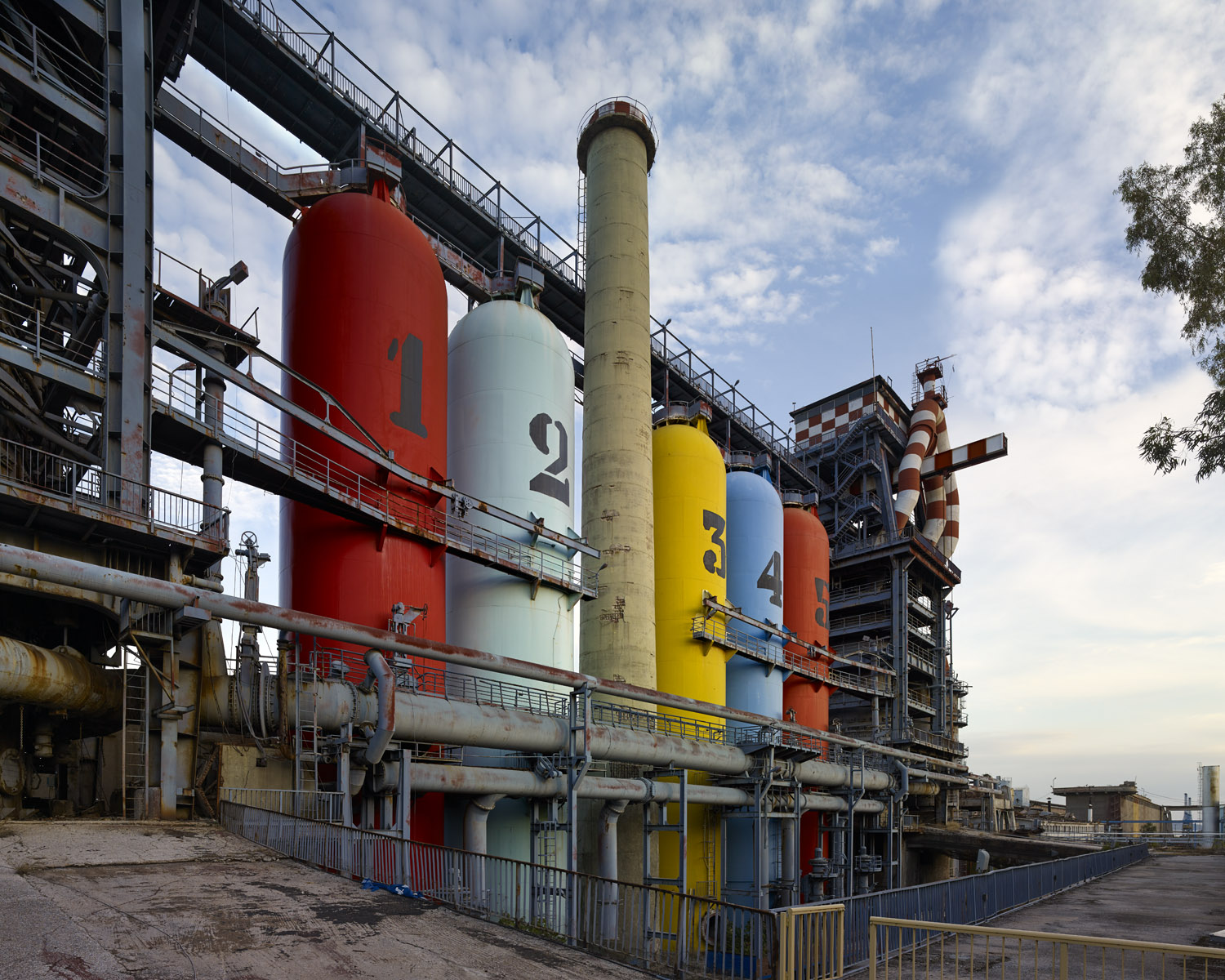
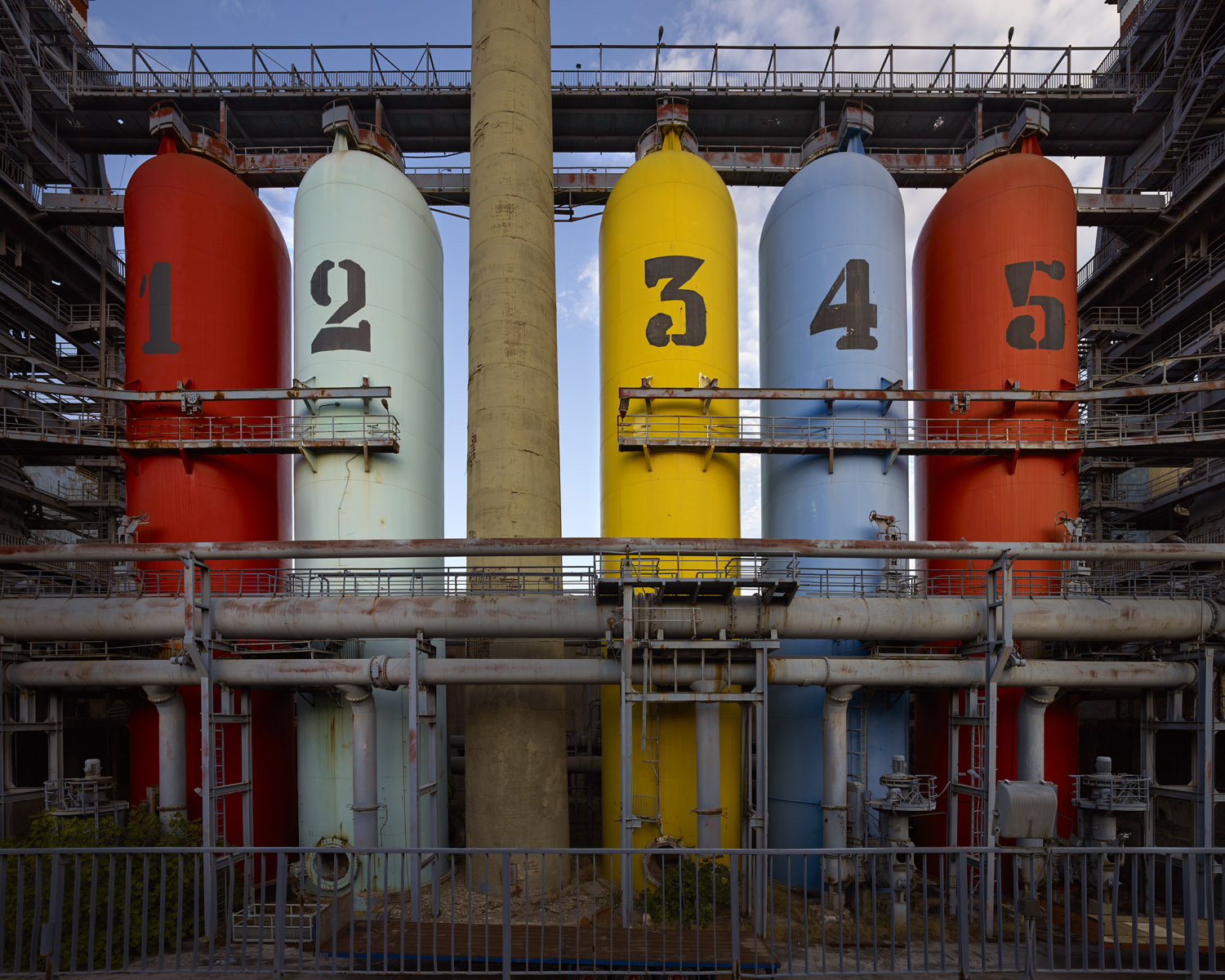
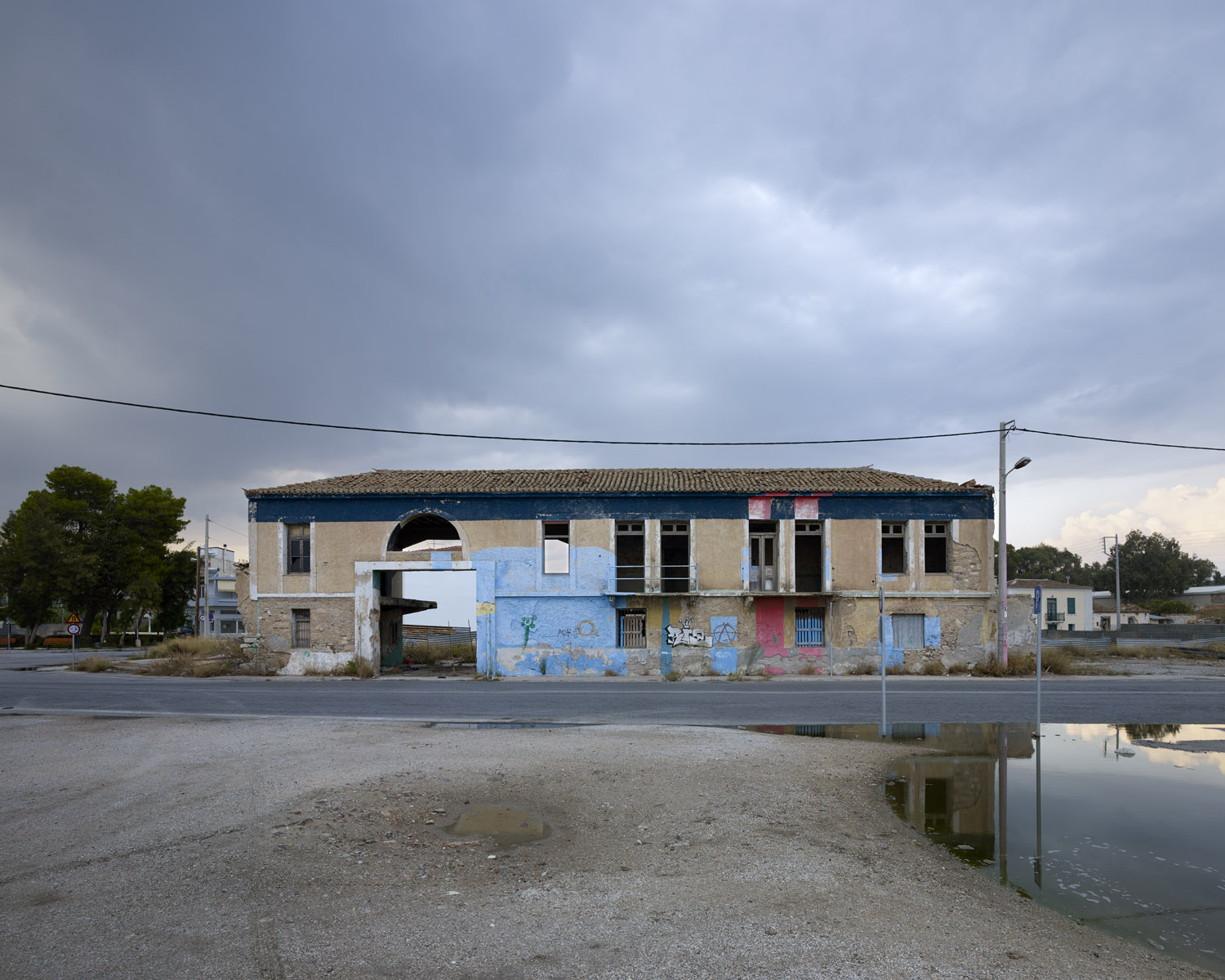
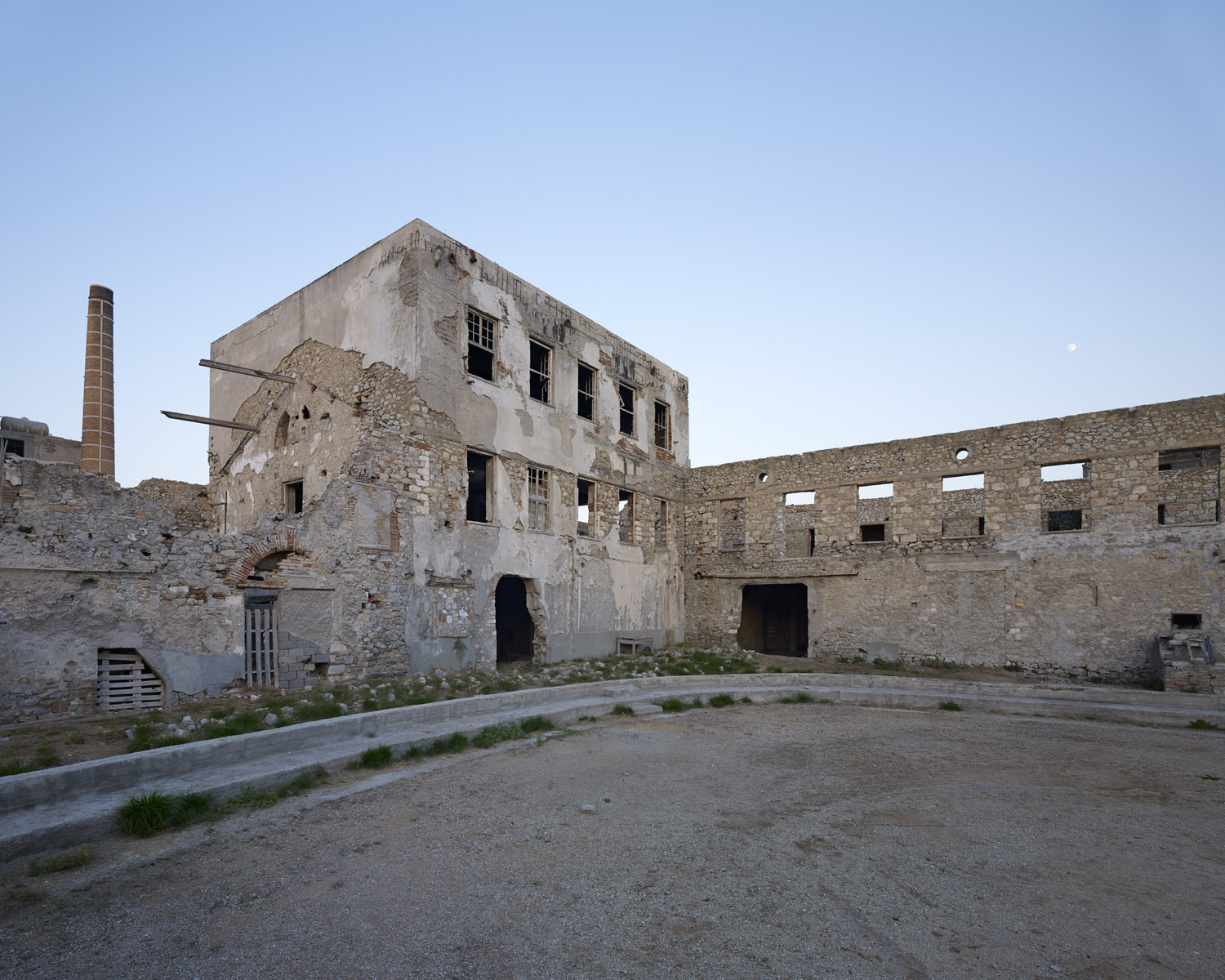
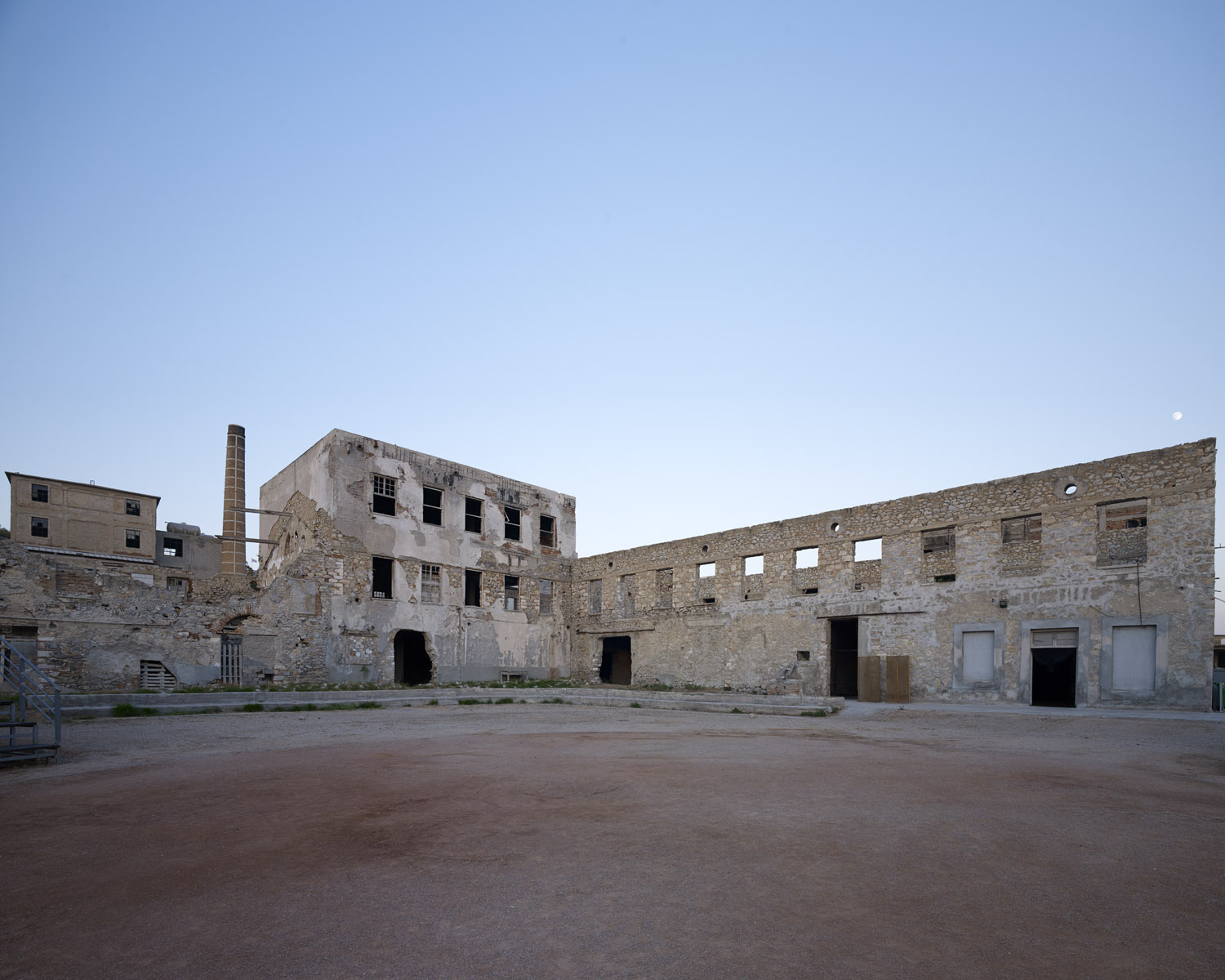
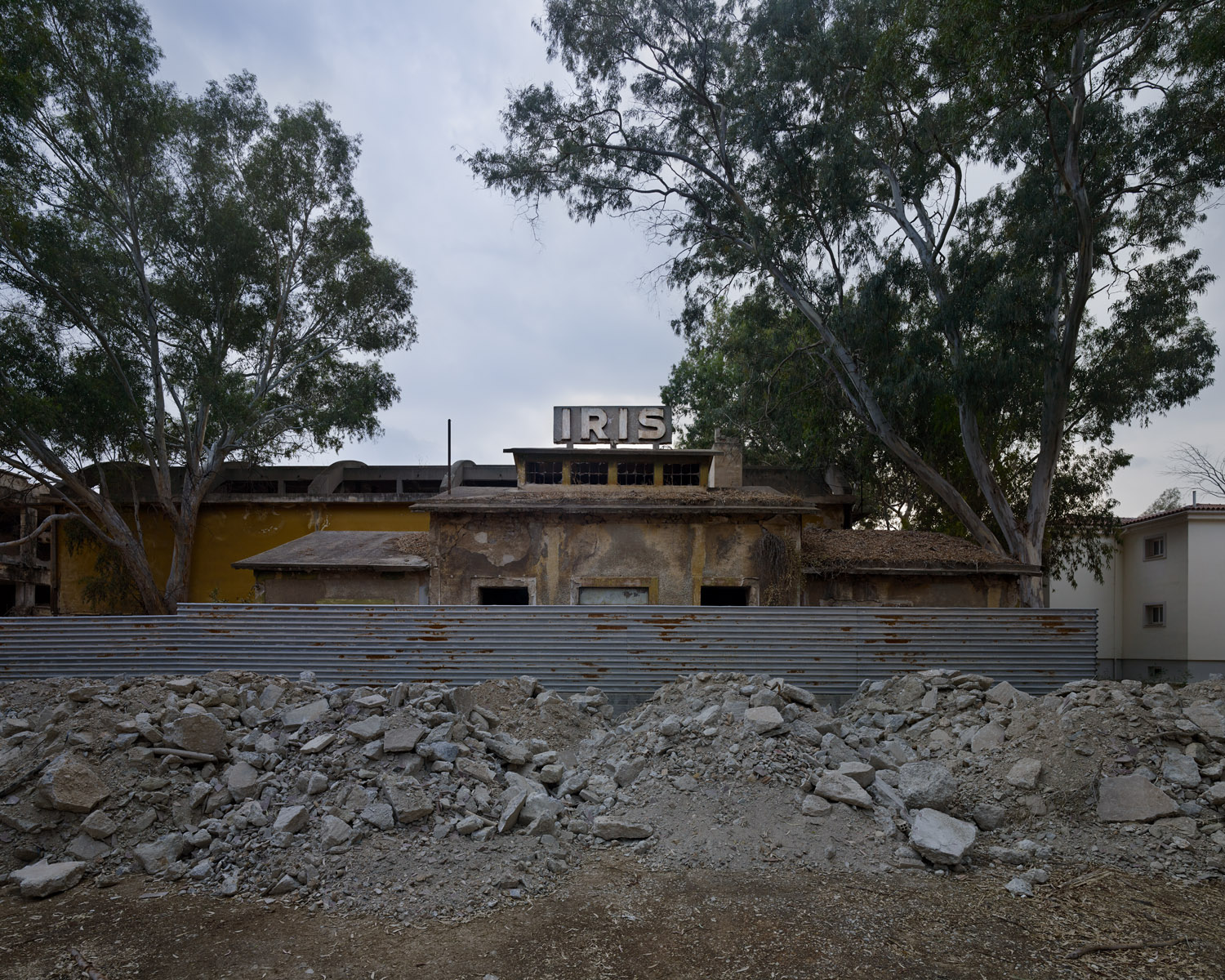
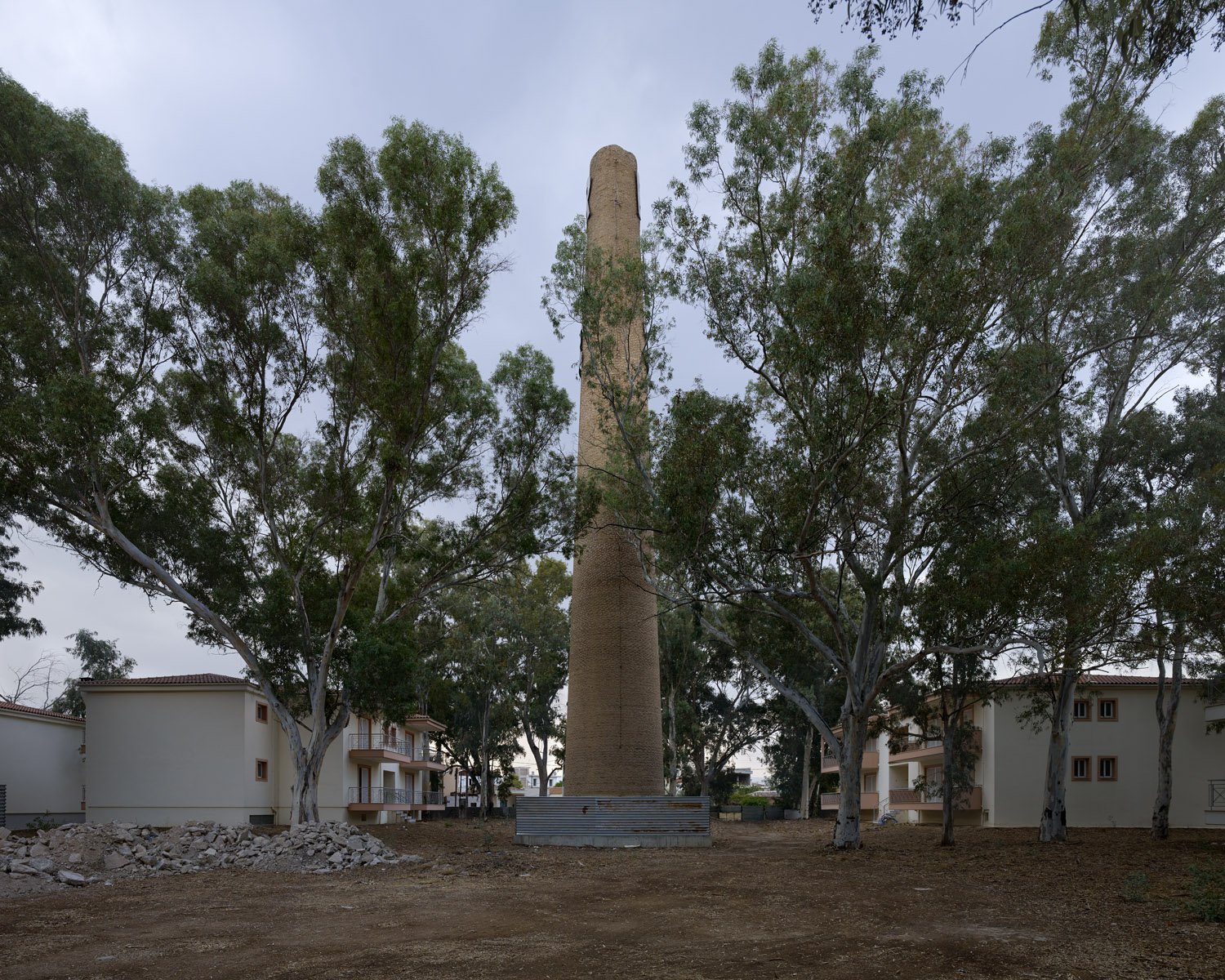
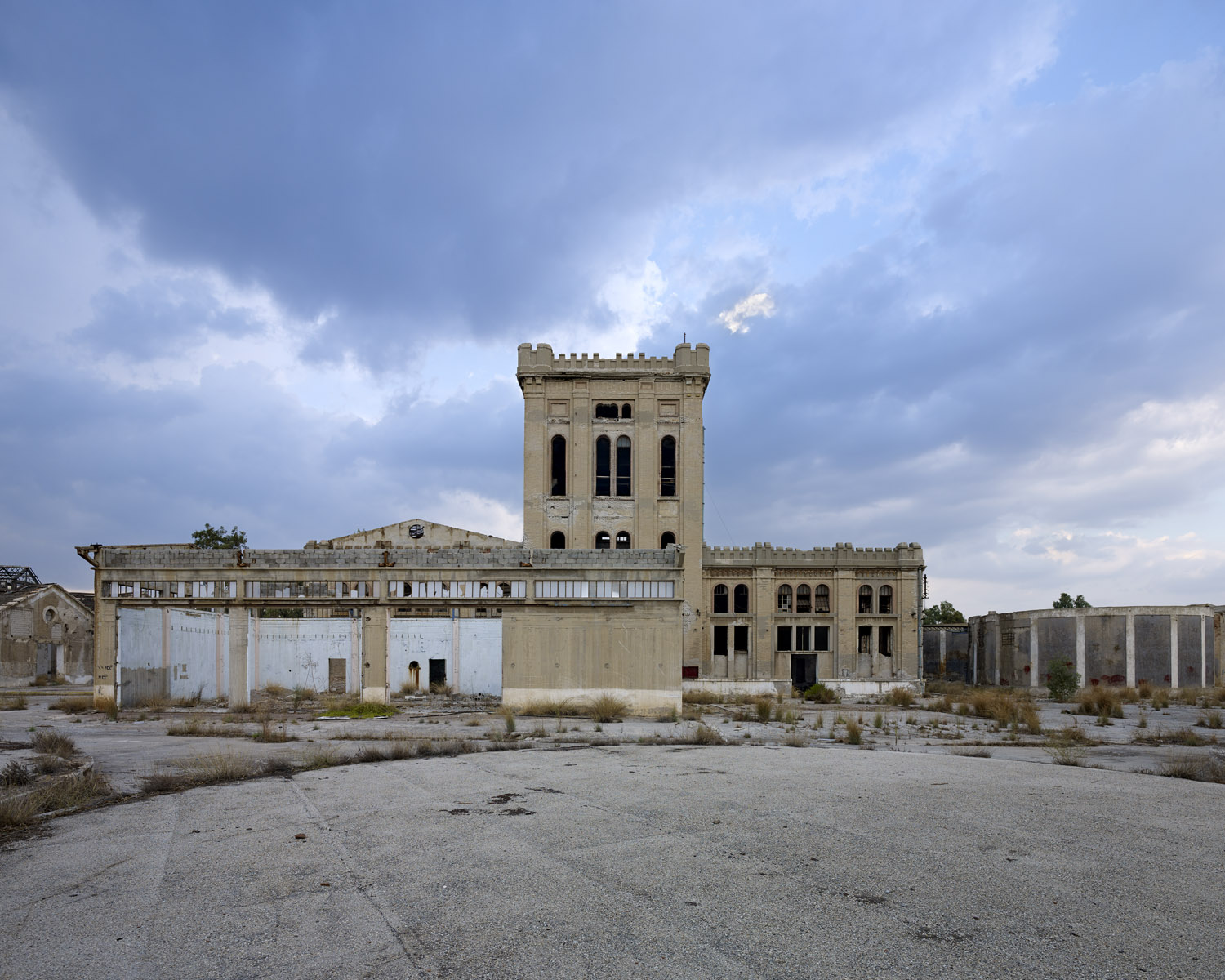
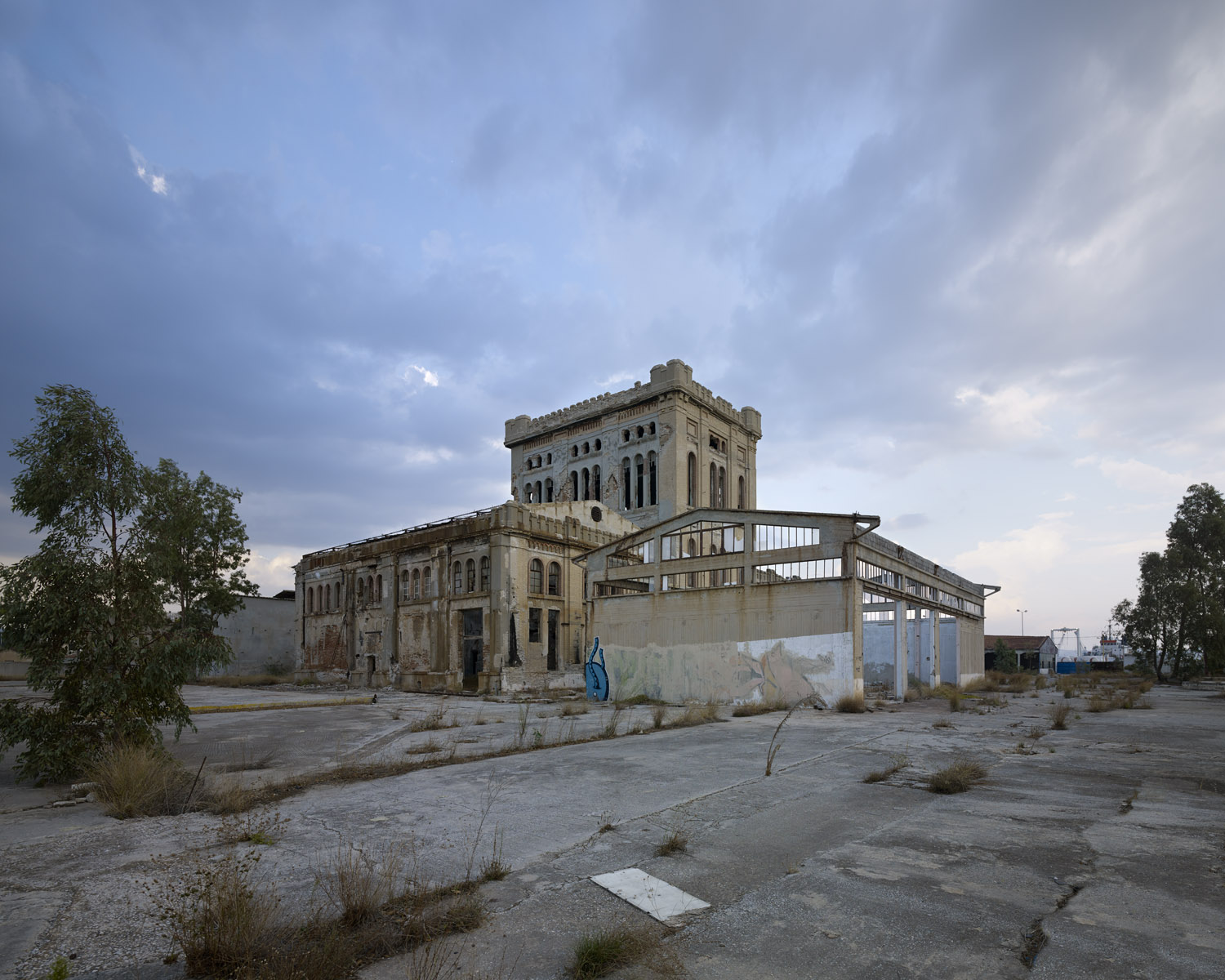
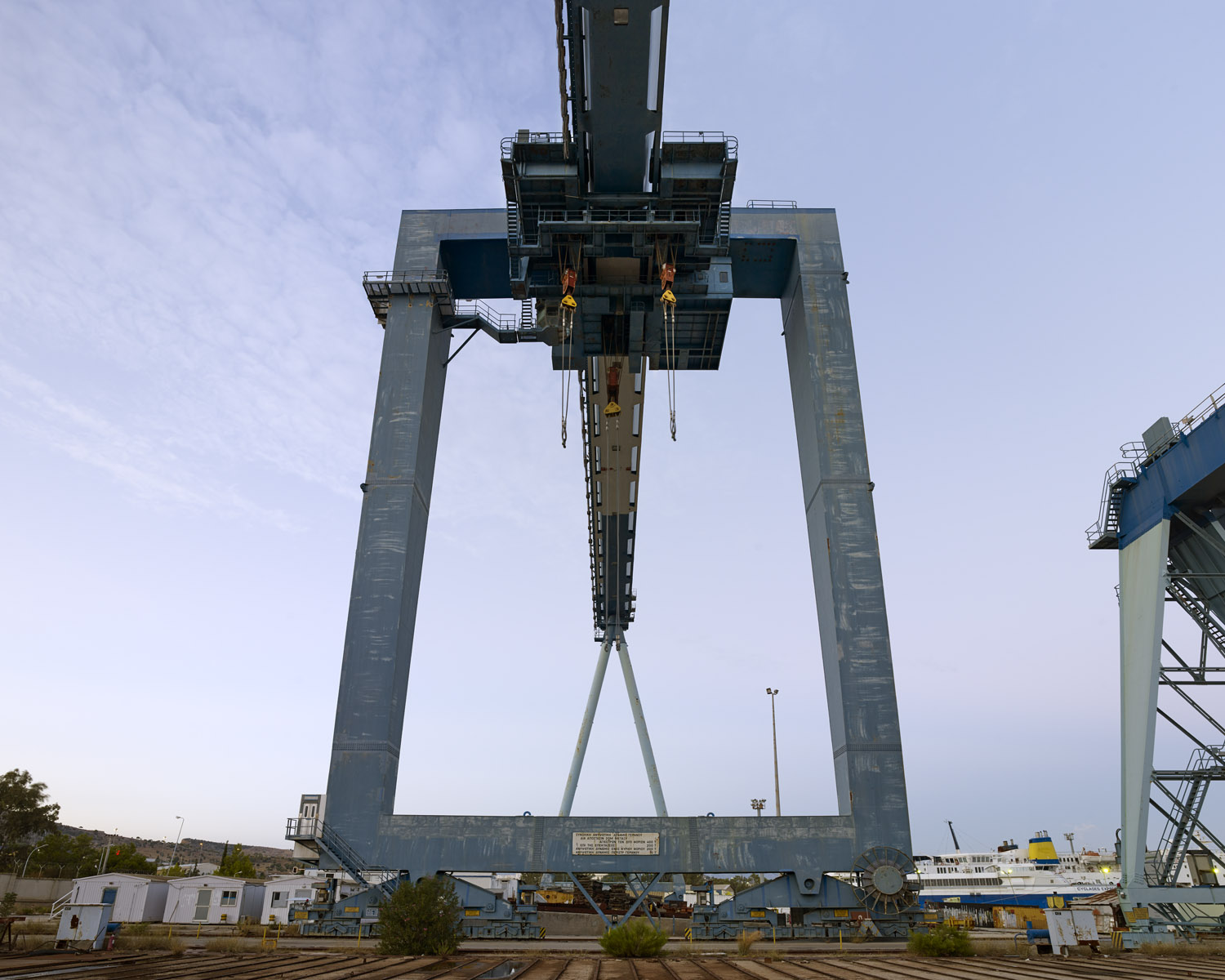
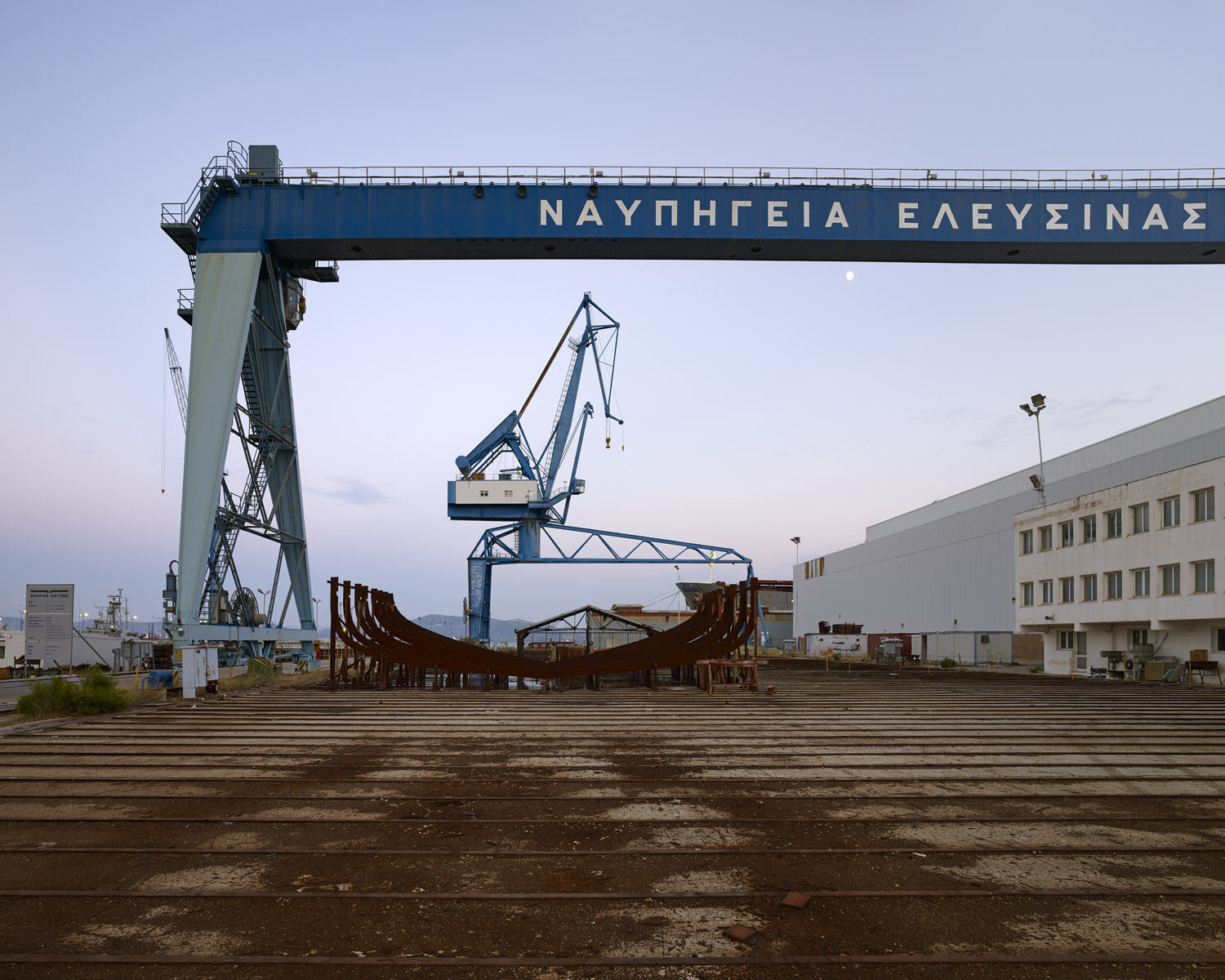
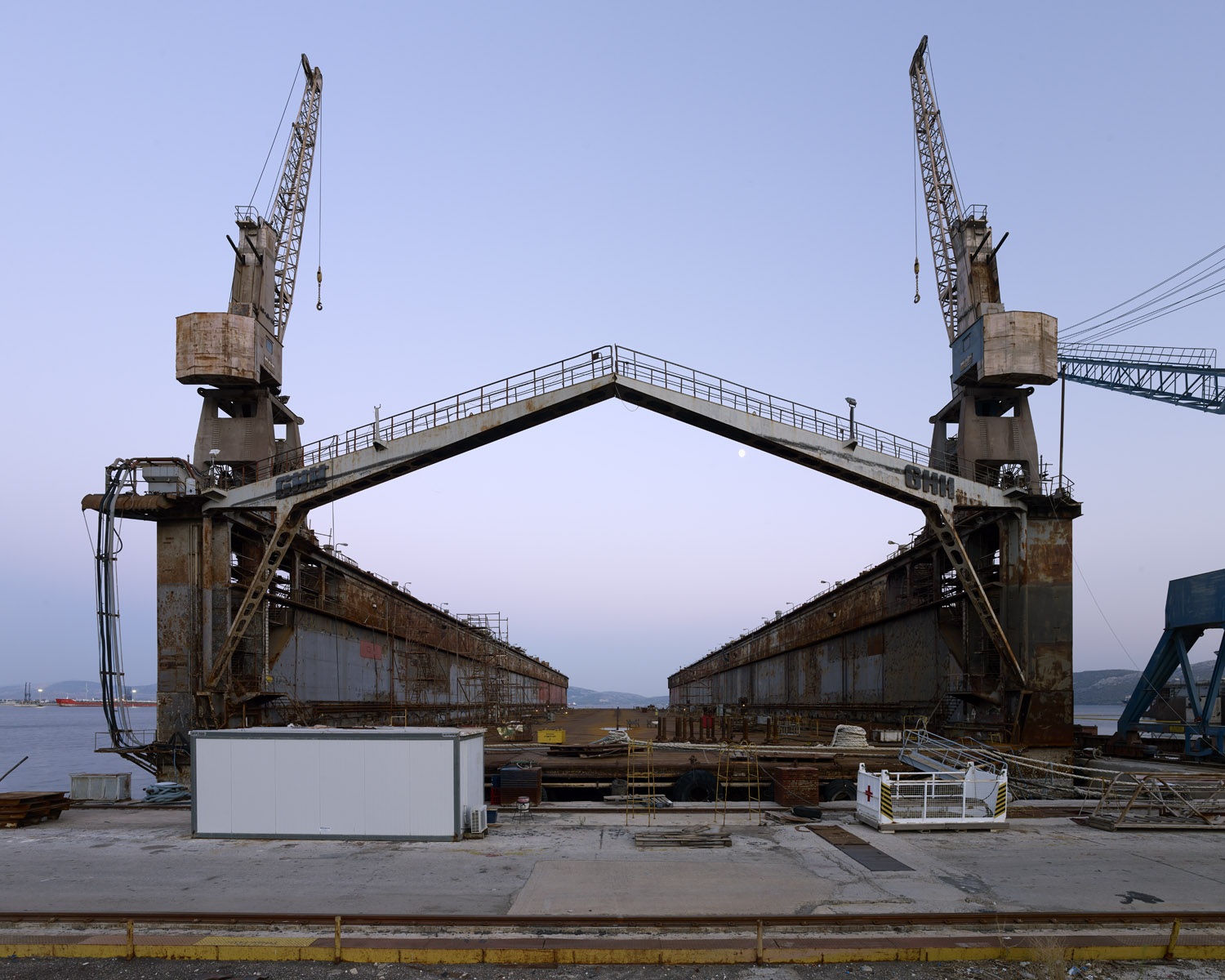
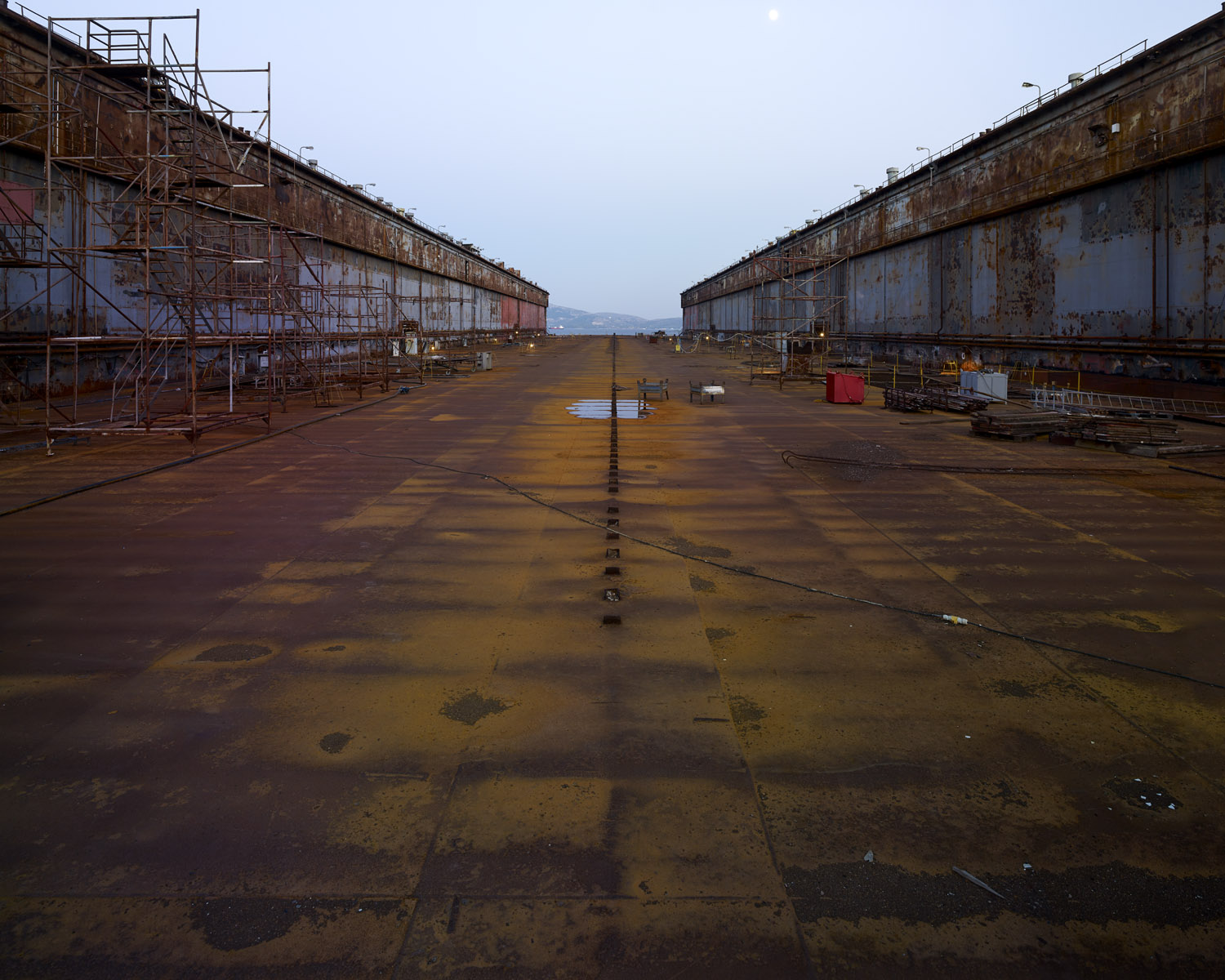
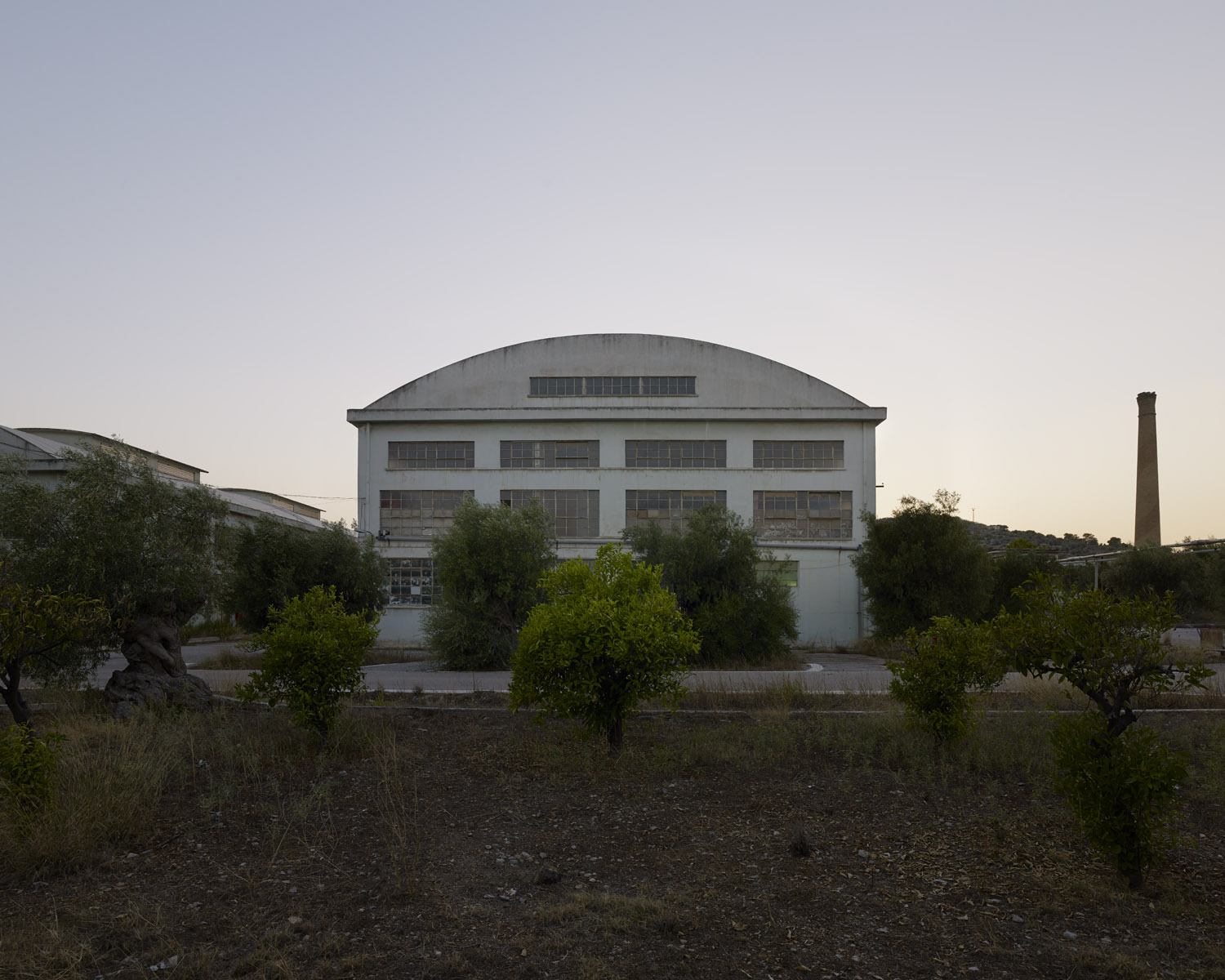
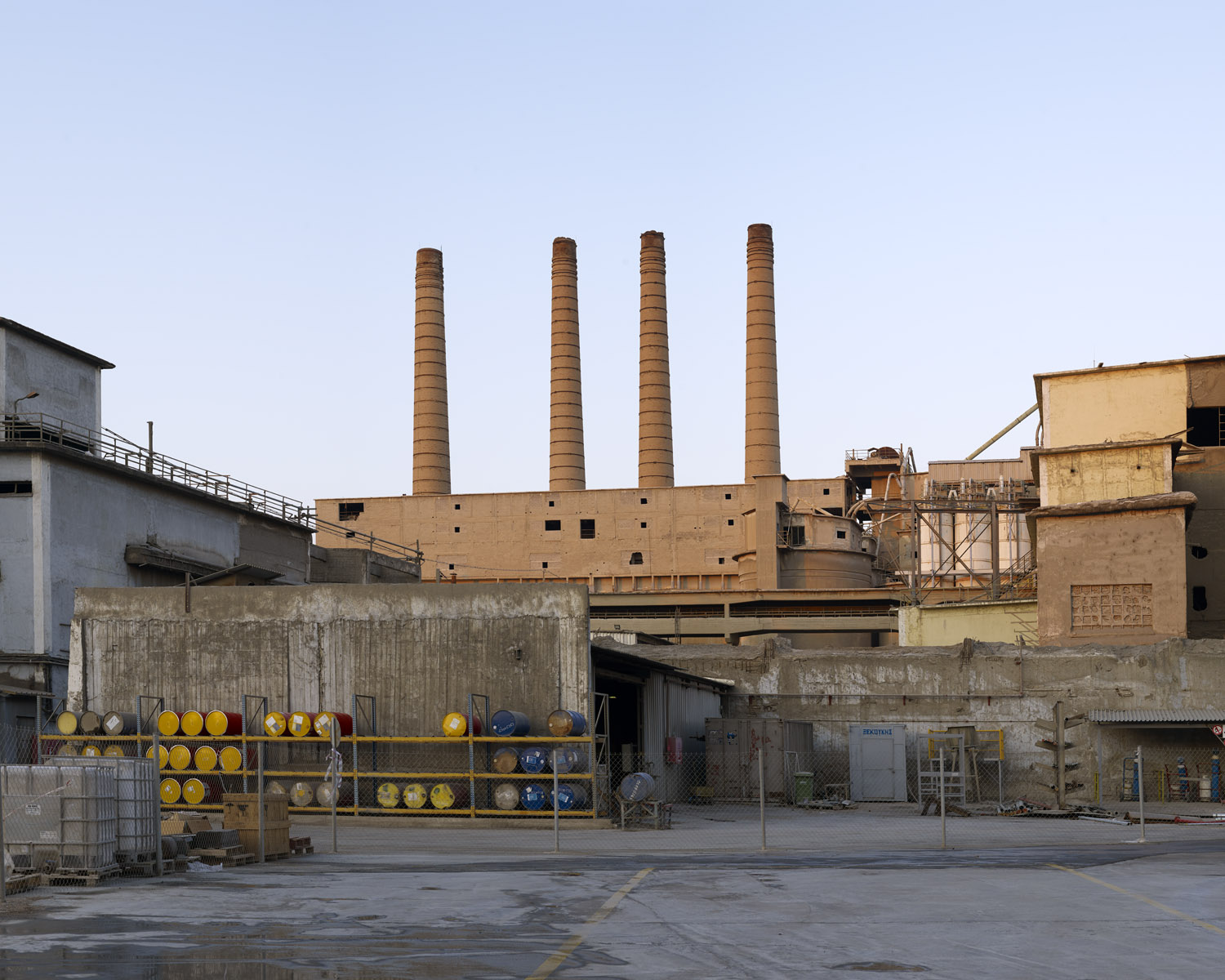
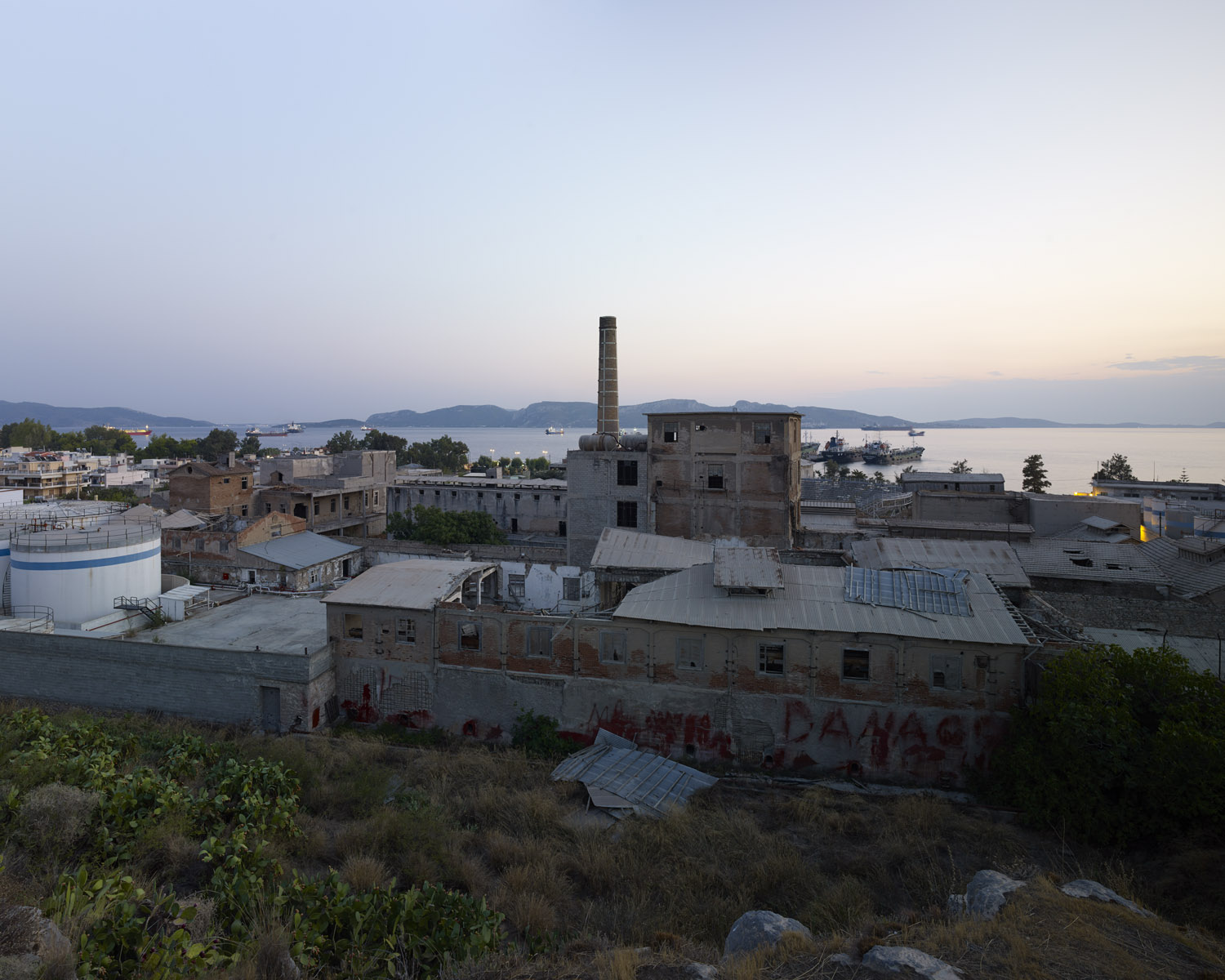
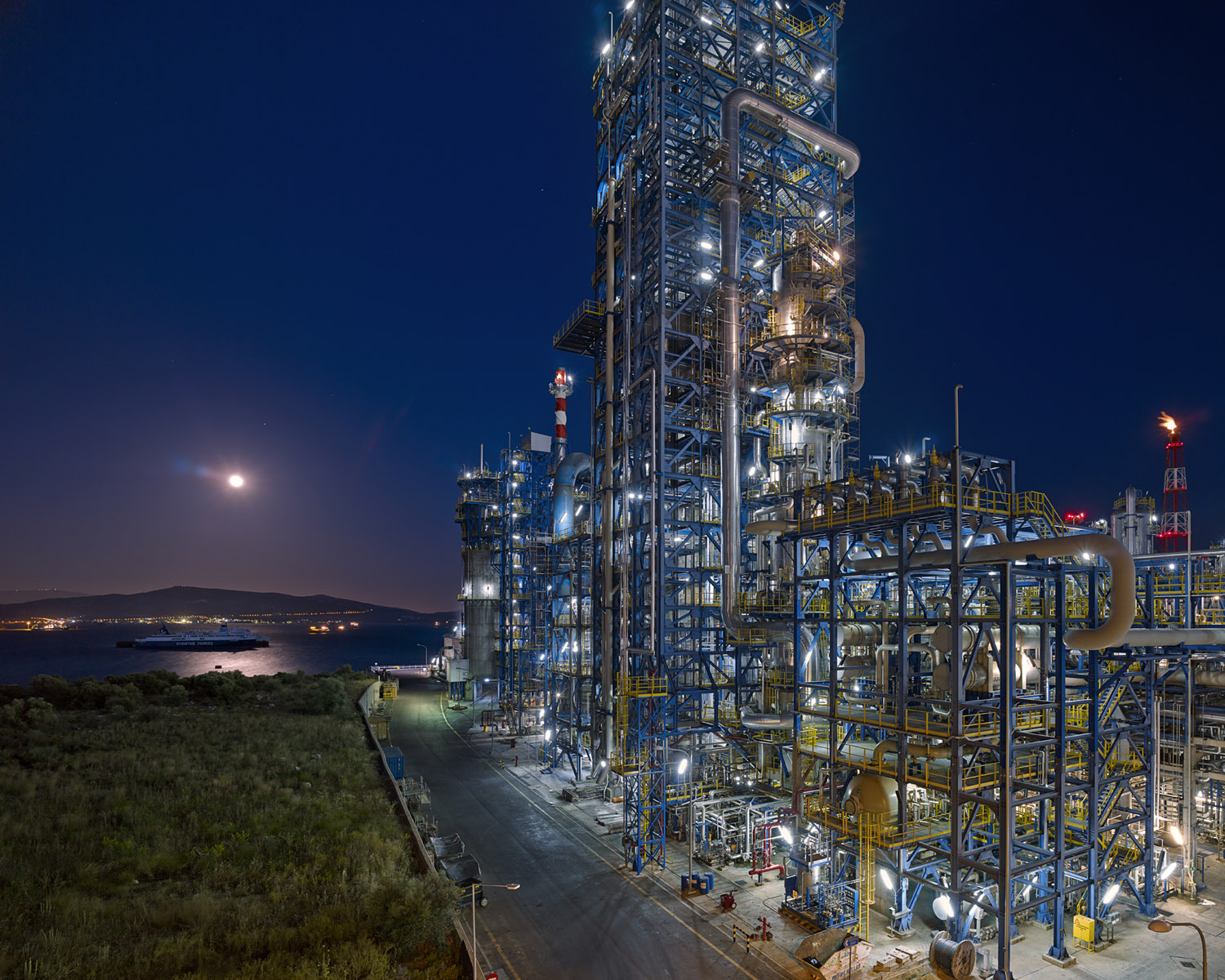
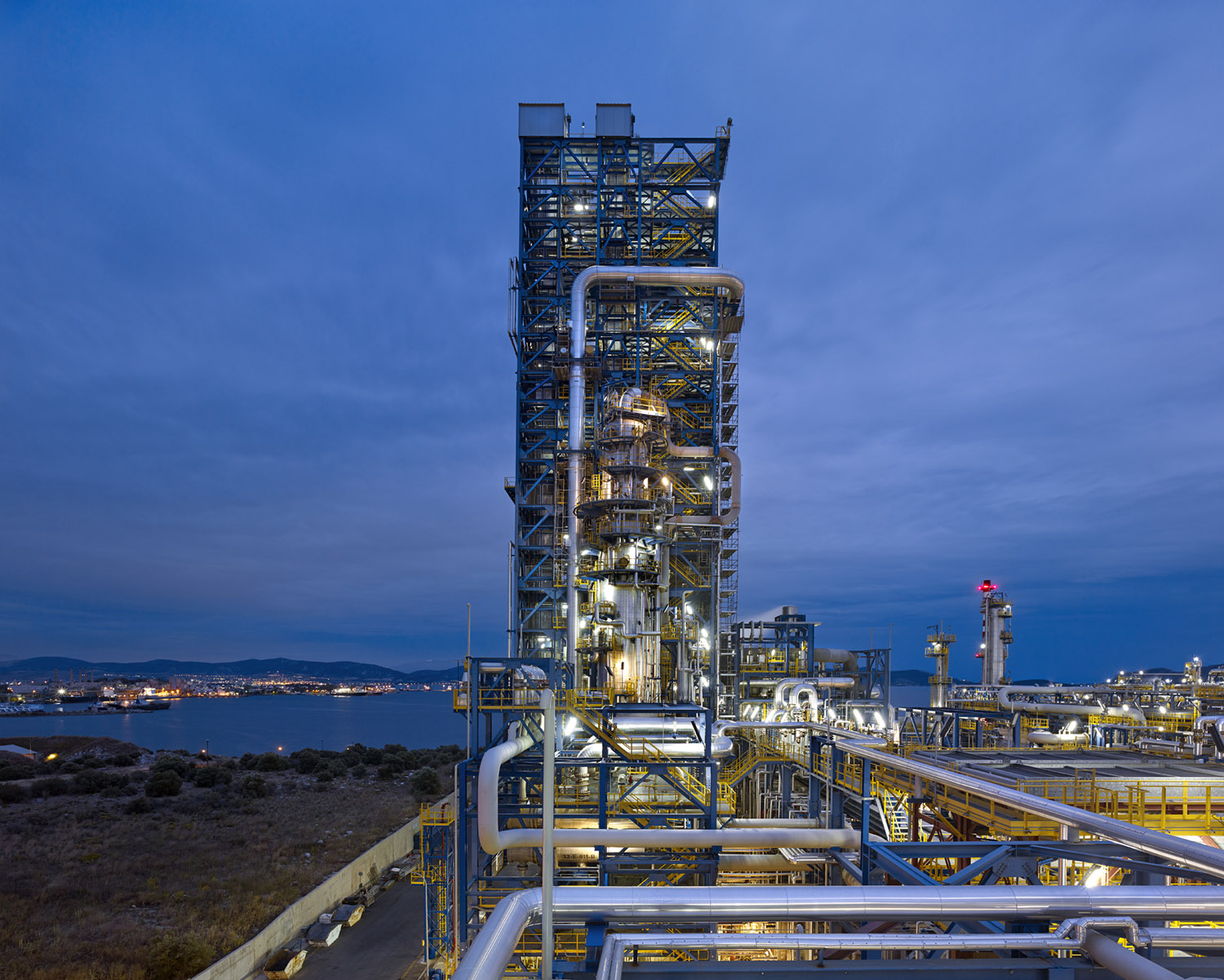
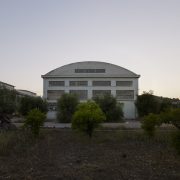
The industrial landscape of Eleusis was addressed on the basis of photographic interpretation of the buildings under the same lighting conditions. The industrial compounds were photographed shortly after sundown avoiding shadowing. This approach enriched industrial buildings with features of timeless sculptural qualities as the undermining of time recording rendered their architectural quality as the key figure of photographic composition downplaying their function: the viewer is not aware which factory ended shift and called it a night a while ago and which one closed years ago, remaining an empty shell ever since.
The invitation to produce art photography for the needs of exhibition Industrial Eleusis: people and factories extended quite a demanding invitation. The industrial infrastructure photographed were met in different moments of their life circle: among them one can find industries that are fully operational, some in painful anticipation of their eminent future and others that are for ever lost; their only trace of existence is their remaining abandoned shell.
As a result, the photographic interpretation attempted to approach the emblematic buildings of heavy industry firms of great historical importance as monuments of Eleusis city which recall the important labor and entrepreneurship past while signaling the great future potential of the place. The photographs of Eleusis factories, which were considered home for thousand of the workers for their entire lives and propelled the city into becoming a key industrial center of the country, avoid the temptation of first level nostalgic approach of a glorious past, nor do they try to beautify its flaws.
Instead, they propose a rational assessment of an industrial landscape that despite difficult working conditions produced goods and wealth that shaped the life each and every one of us experienced, offering jobs and a hope of a better future to come. It remains to be seen whether the photographs exhibited will carry the basic potential qualities of the country to invent new solutions and stands up to the expectations when faced with dire conditions. They are the latest photographic record of Eleusis’ industrial heritage just a few days before the city was anointed the European Capital of Culture for 2021 under the title Eleusis2021-Go to euphoria.
Portfolio created: 1995
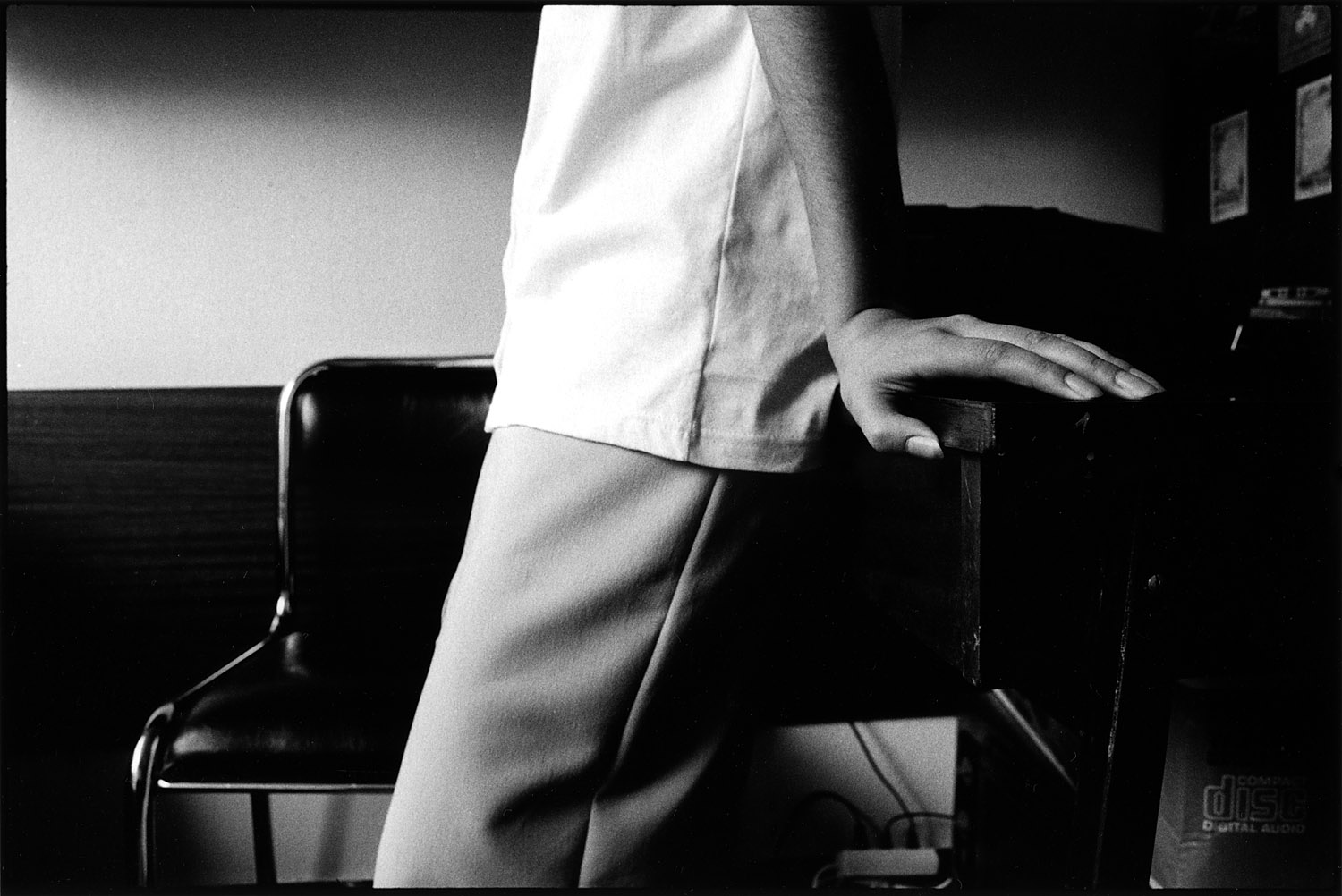
How do you find yourself? How do you inform your personality and gradually form your own space by articulating a personal, clear and distinct proposal towards life?
In a few words, and contrary to the fashionable answer nowadays, is: very slowly, step-by-step, with careful analysis of what has proceeded, and continuous experimentation without the fear of getting it wrong. Isn’t it exactly that what we do throughout our lives?
We start as children wearing clothes that someone else chose on our behalf and dwell in rooms decorated for us before we ever arrived. We pass through puberty to reject, with an intensity many times all that we were given and often choose exactly the opposite response in what we know as correct. It is only in the fullness of time that we throw away the unnecessary and hold on dearly to the important ones, making them our own. We are, as they say, our own man, and what we would do with it is a responsibility that lies entirely on us.
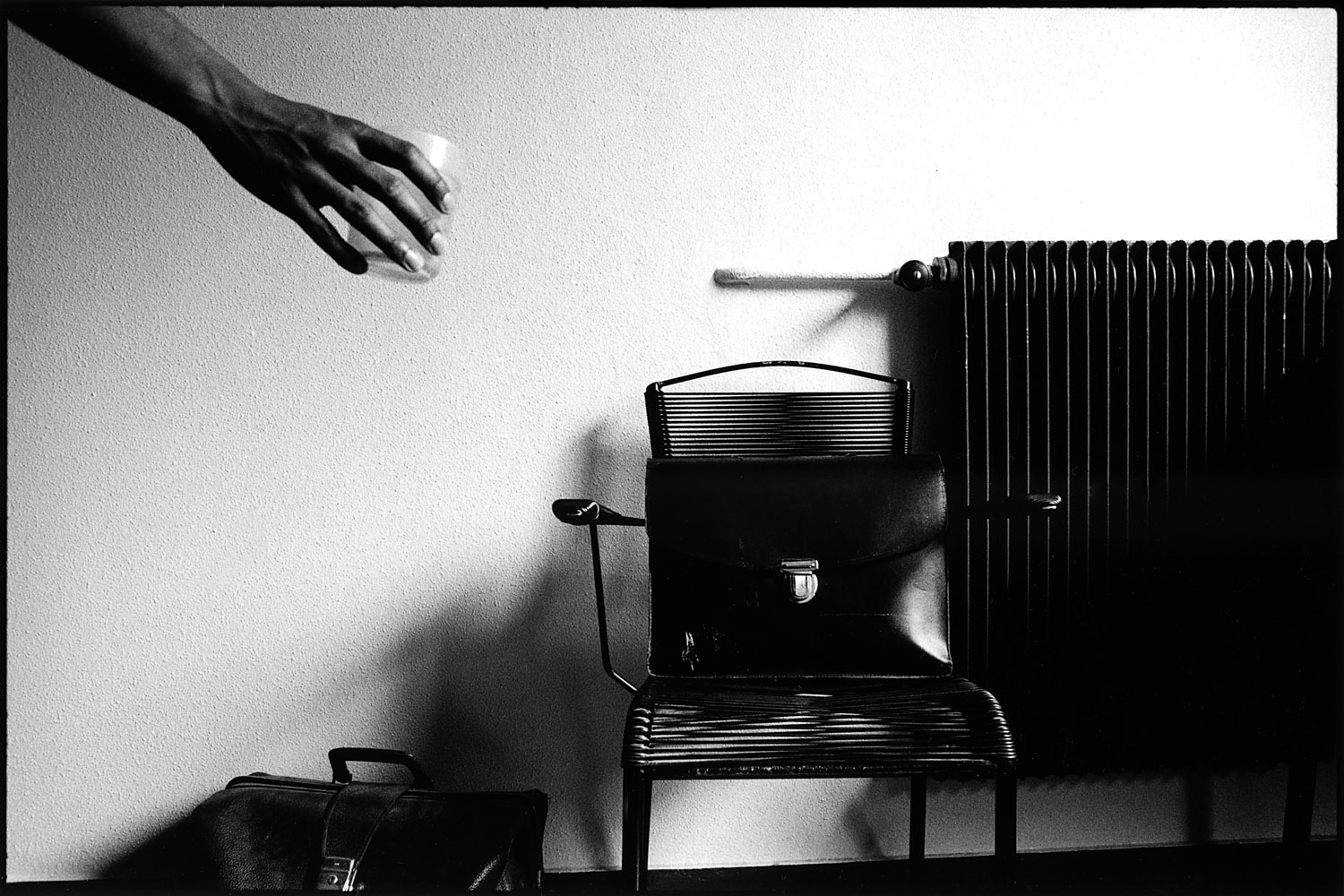
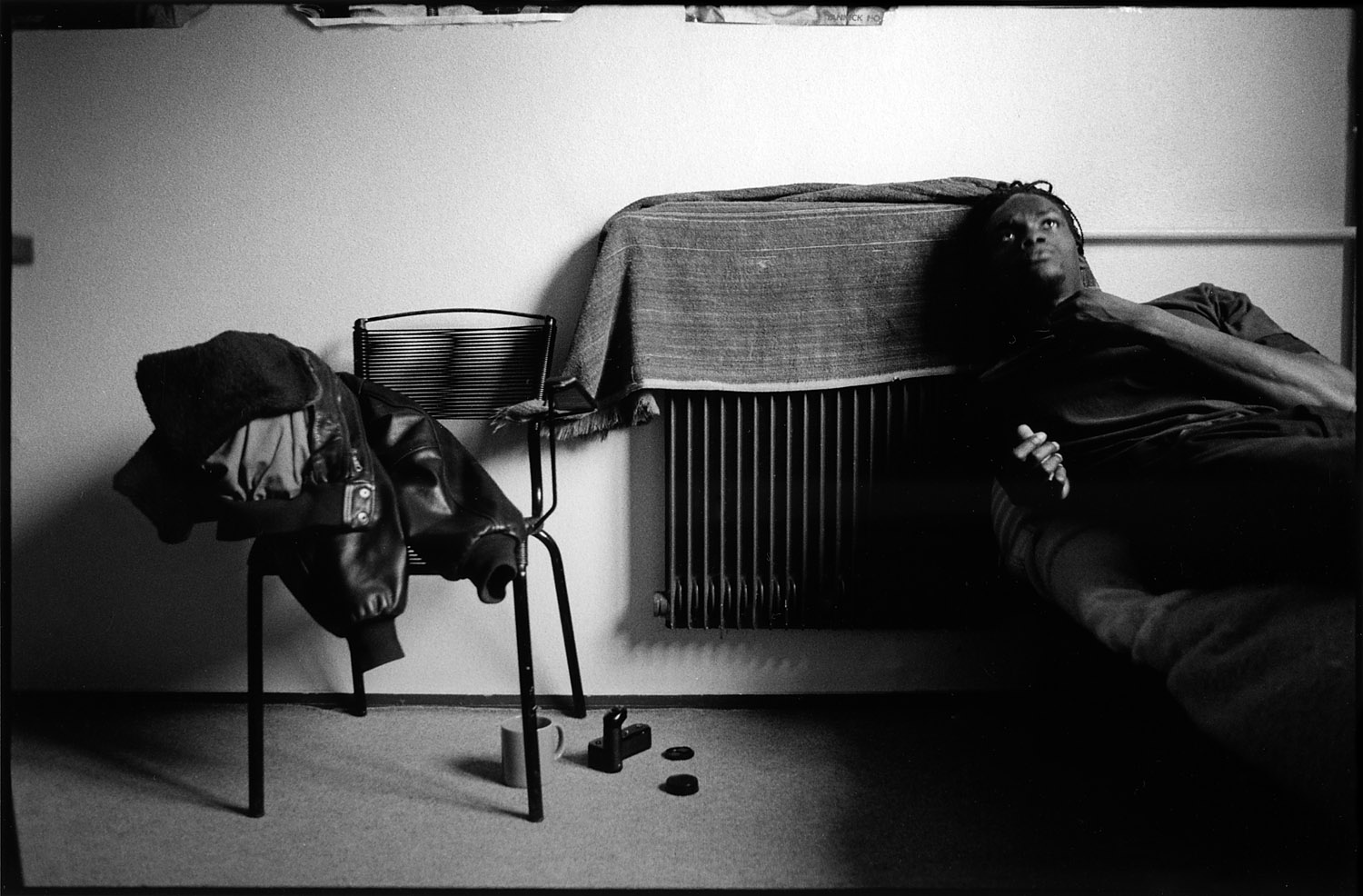
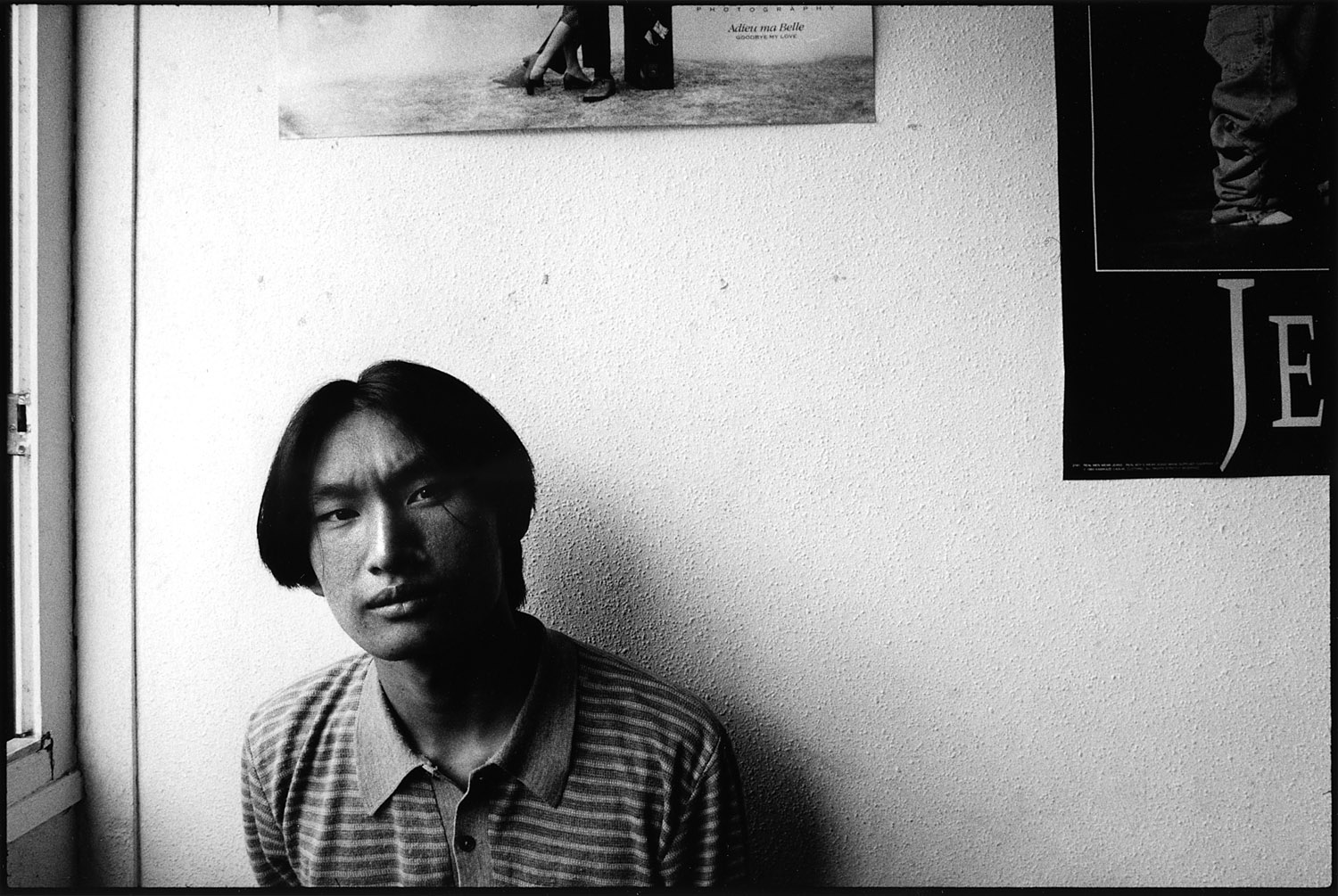
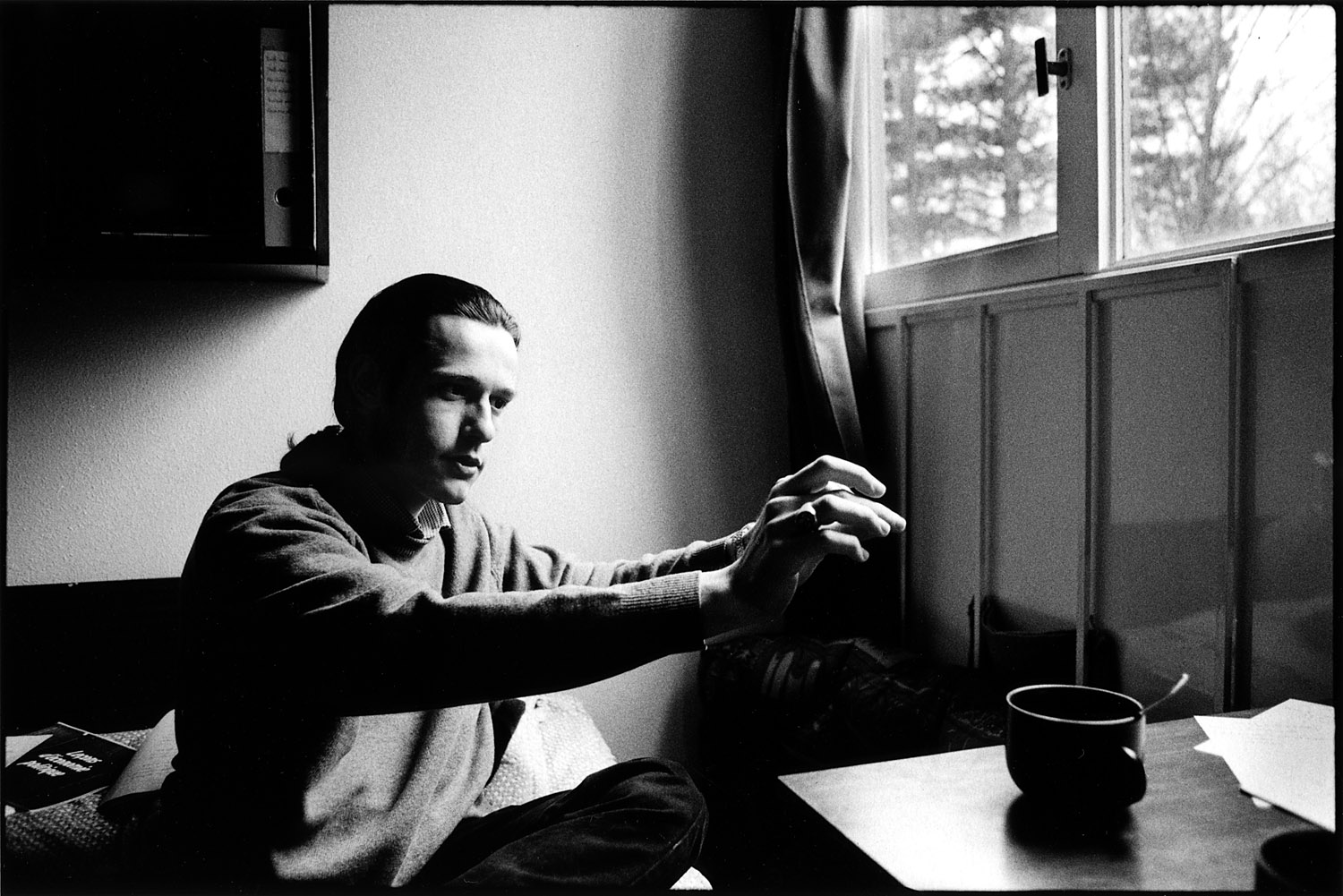
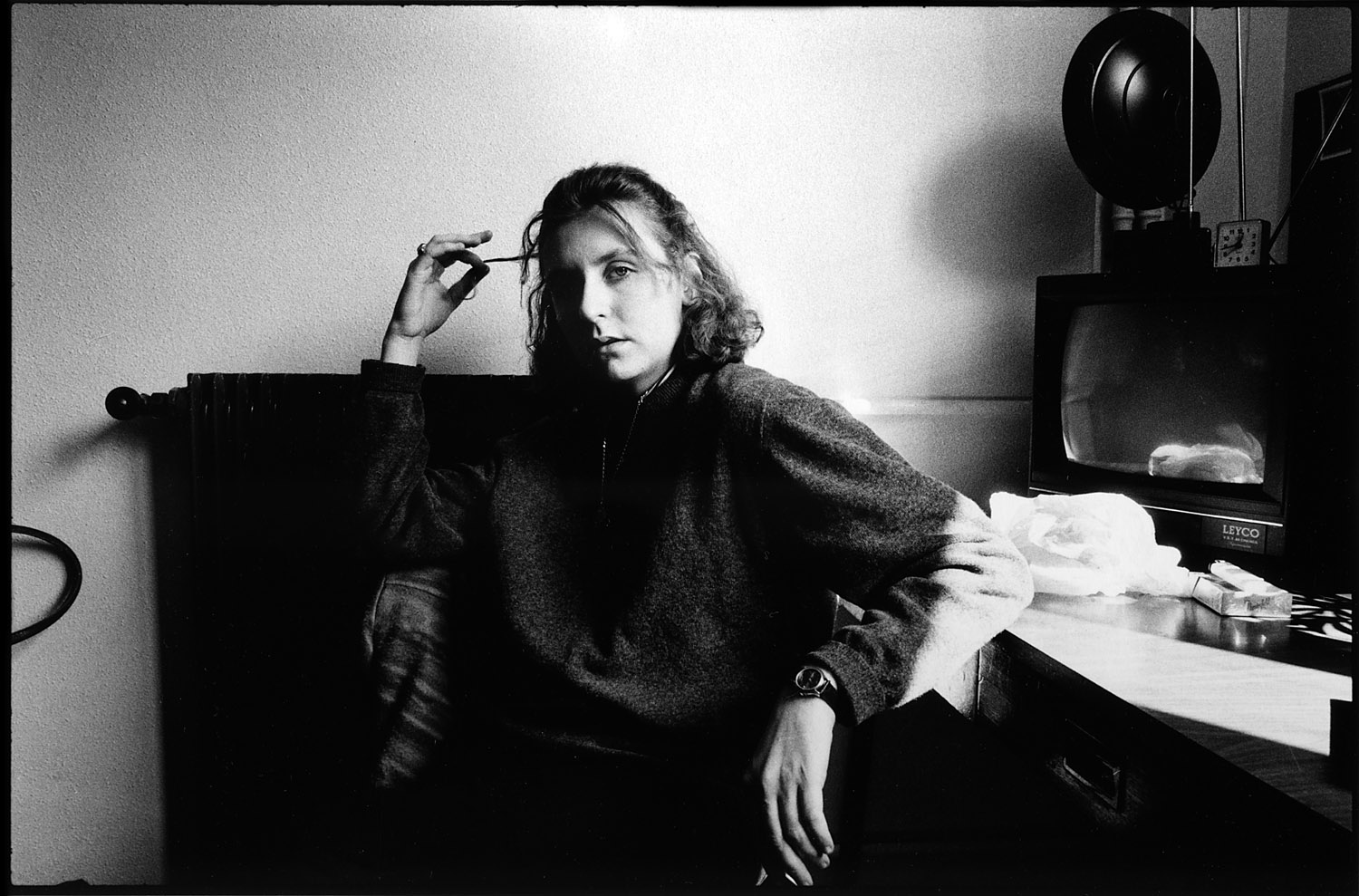
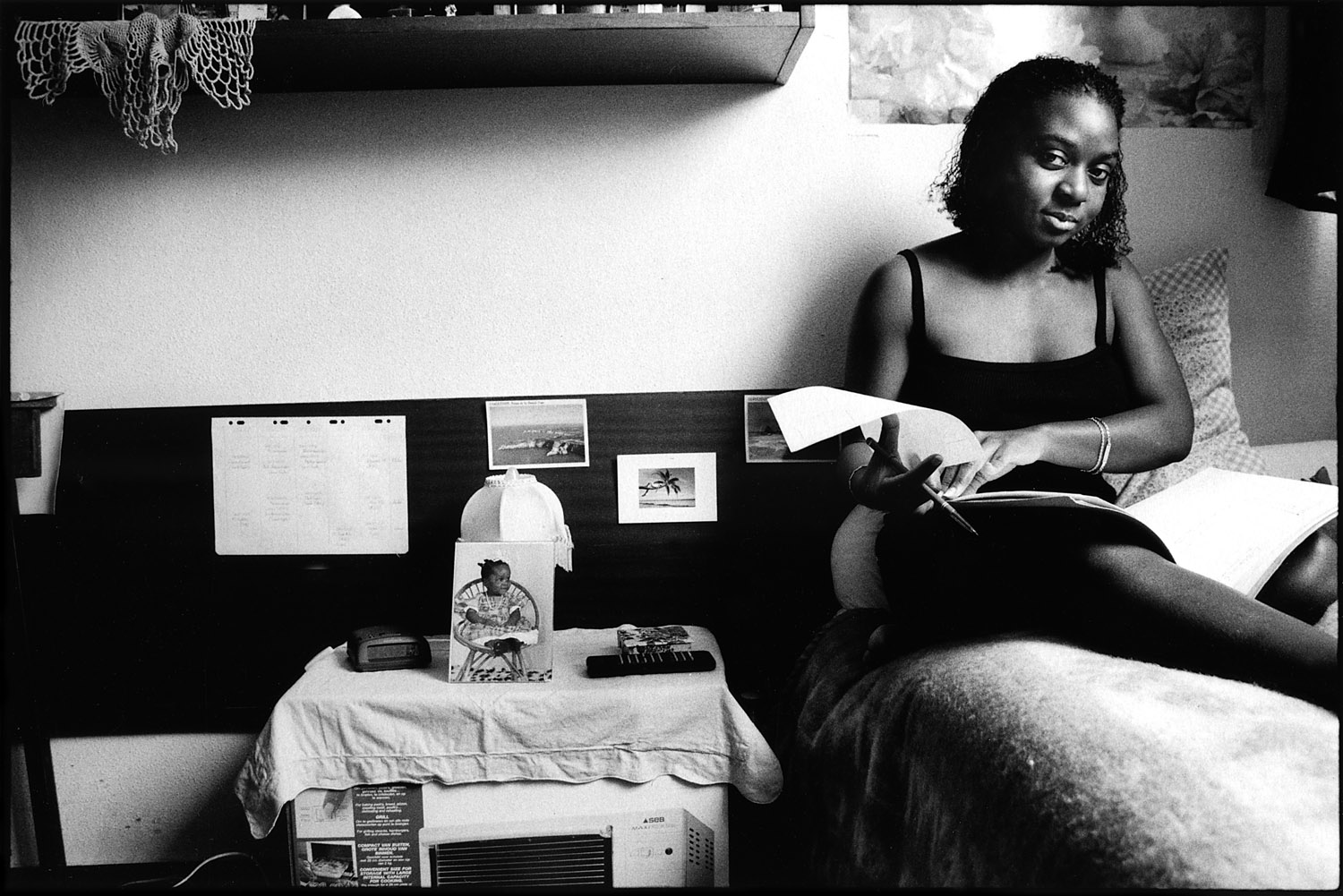
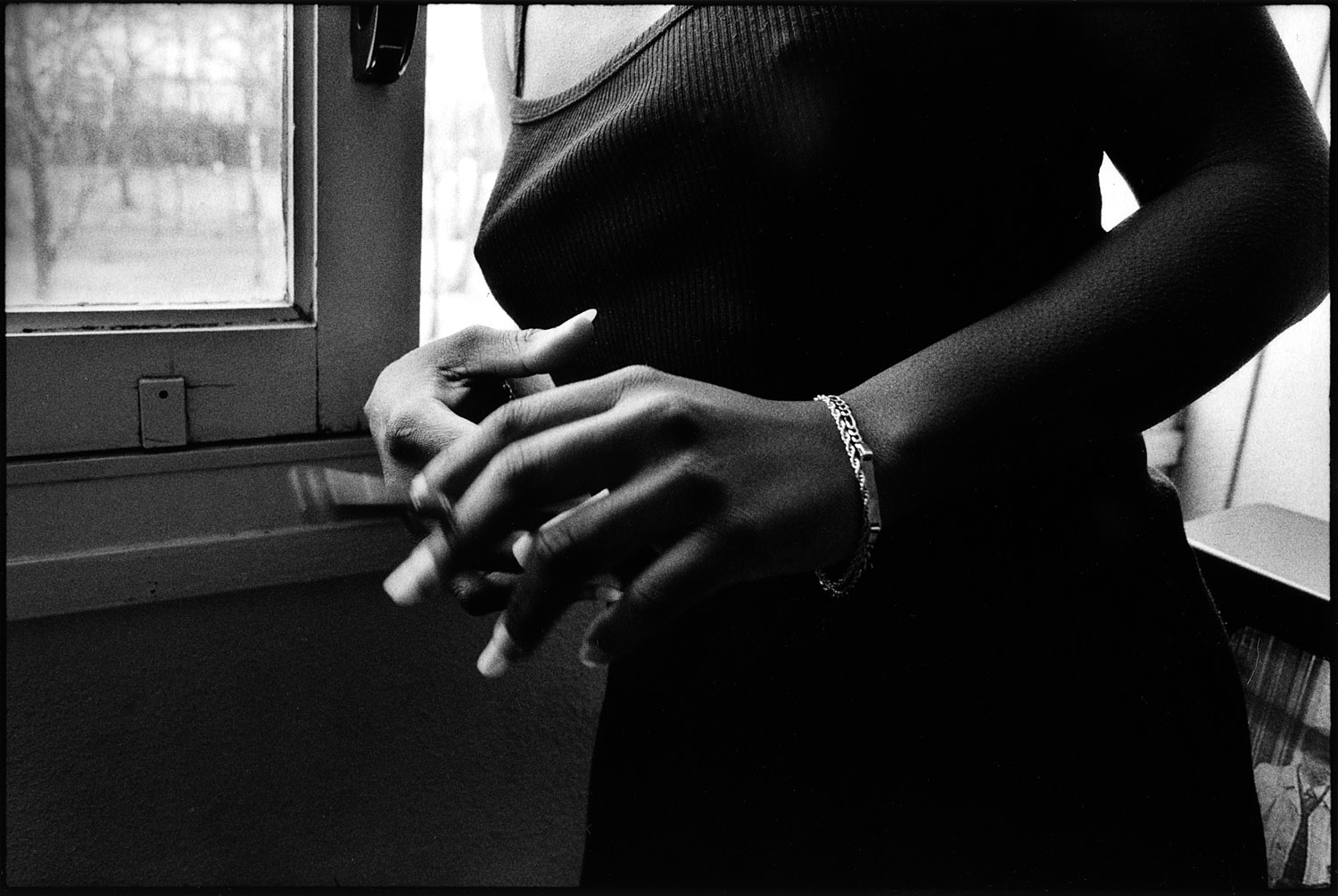
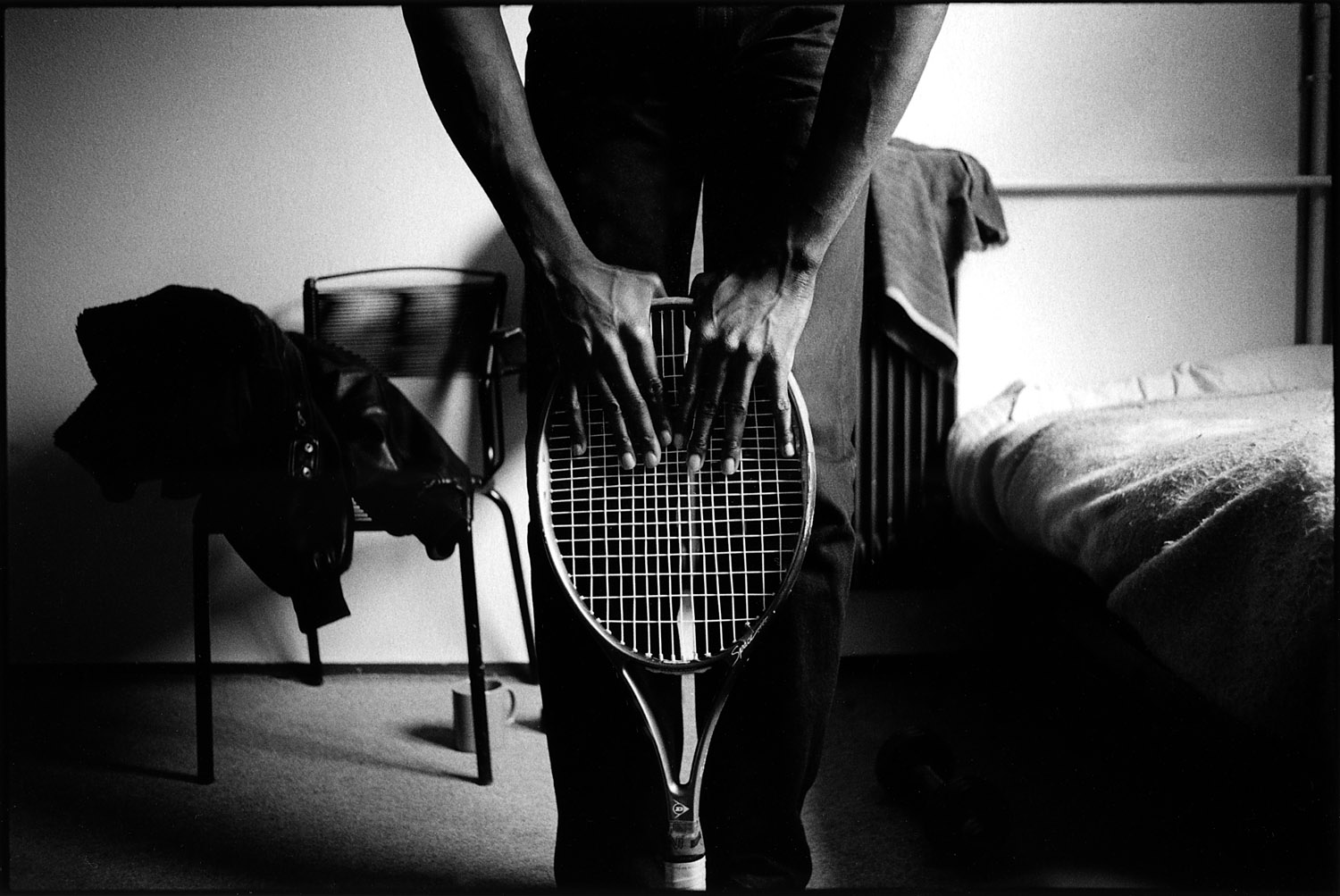
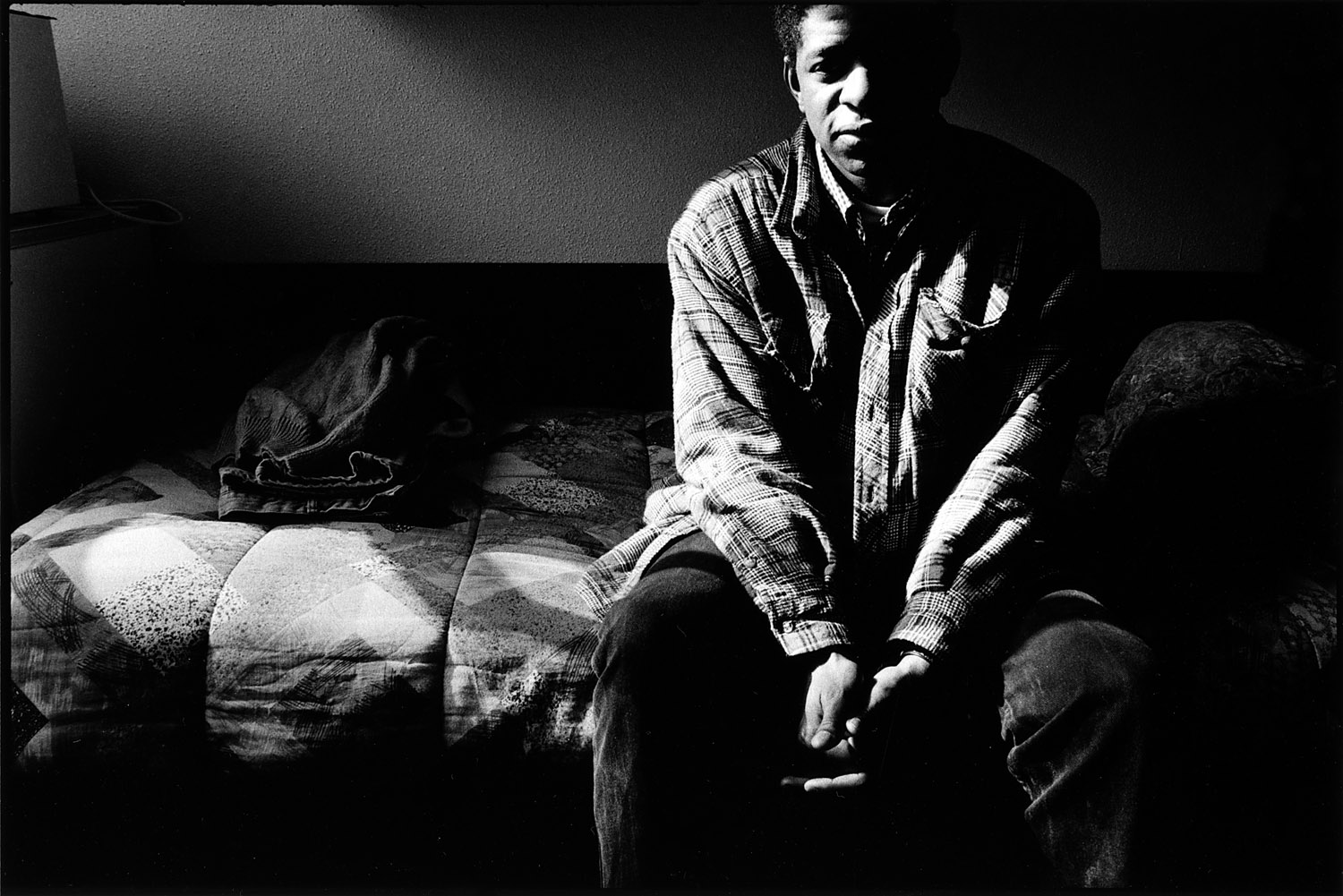
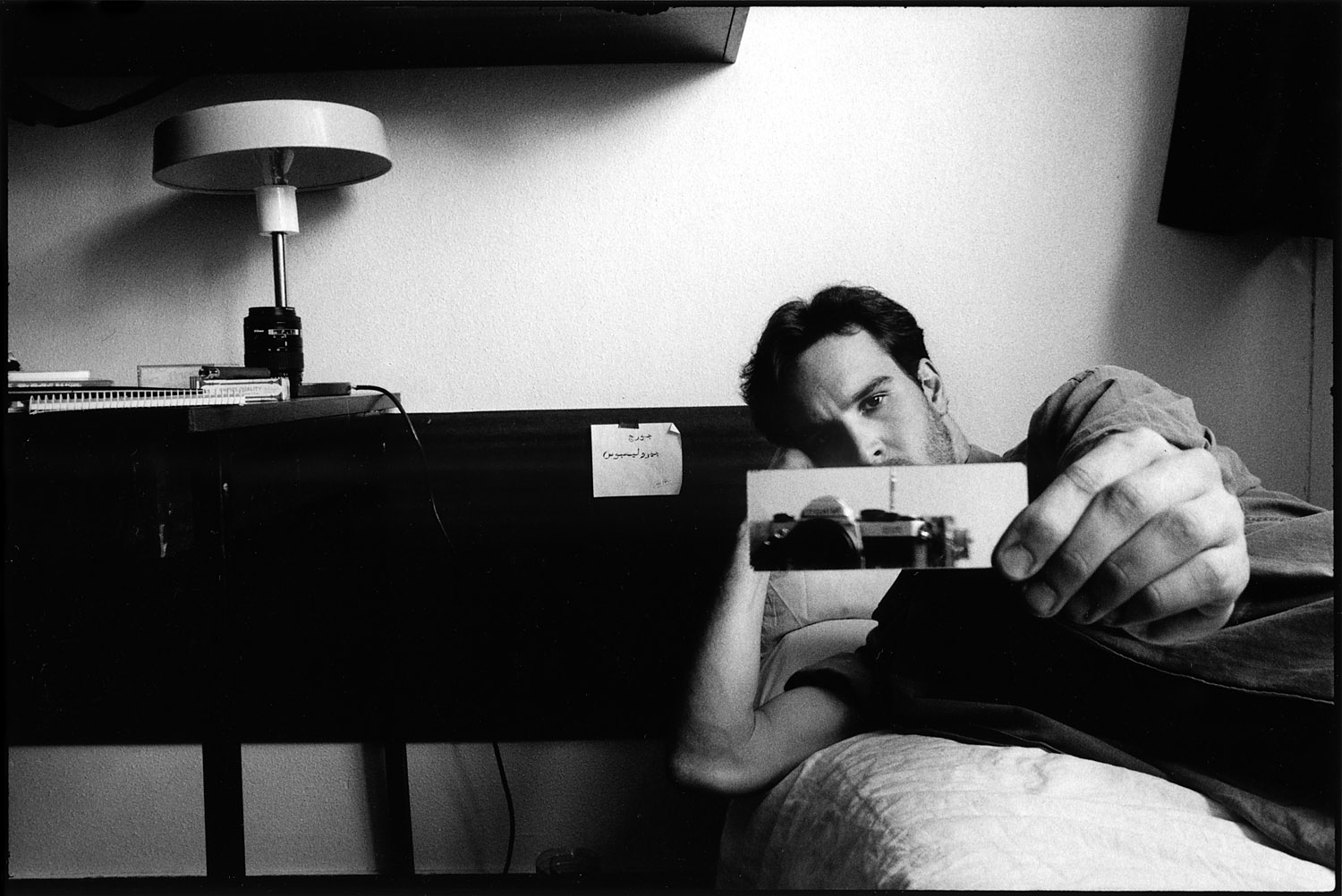
My moment waited for me in France. Until then, during the years of study, I was a decent student and an awful photographer at the same time. The European student exchange program Erasmus offered a revelation for me: away from academic timetables and reviews, for the very first time I began to enjoy taking photographs. Arriving to student residence Résidence Les Hêtres, I turned my camera to my roommates. The first few days there, having a glimpse at the rooms behind half-open doors I noticed that the very identical type of 9 square metres room had been totally reshaped by the tenant according to his or her personality. Carpets on the floor for friends from the east, pictures on the wall reminding of the home for Africans, many books for those studying humanities and music and video devices for the loner ones who spent many hours in those few square metres.
I wrote the exact same message and printed it in multiple copies and slipped it under all those doors. The photographs of Dialogues et Complicités present the faces of the ones that opened their door and received me hospitably in their small world.
Portfolio created: 2004
Landscape photography can offer us three verities: geography, autobiography and metaphore. What a landscape photographer traditionaly tries to do is to show past, present and future in one shot. You need ghosts, the daily news and prophecy.
Robert Adams
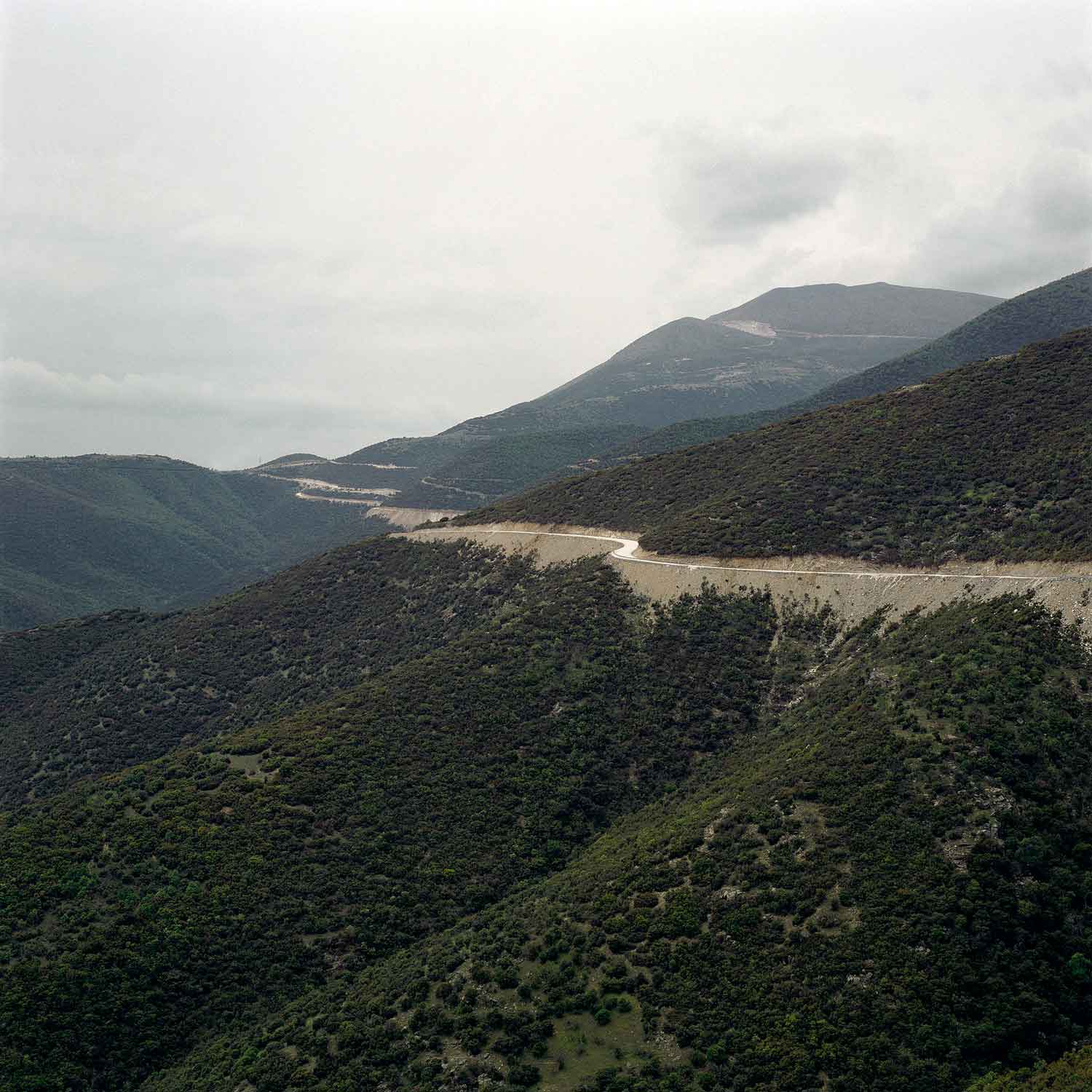
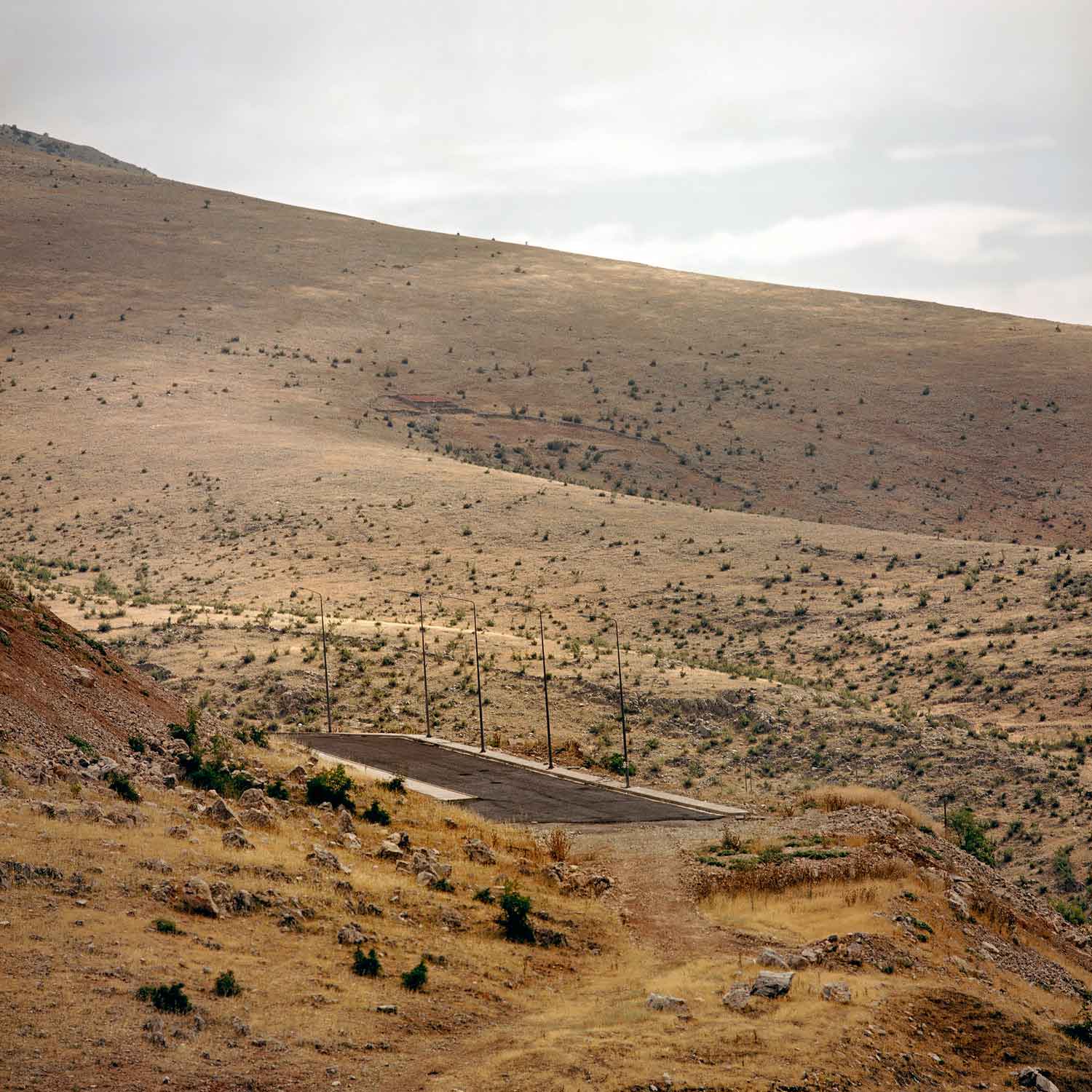
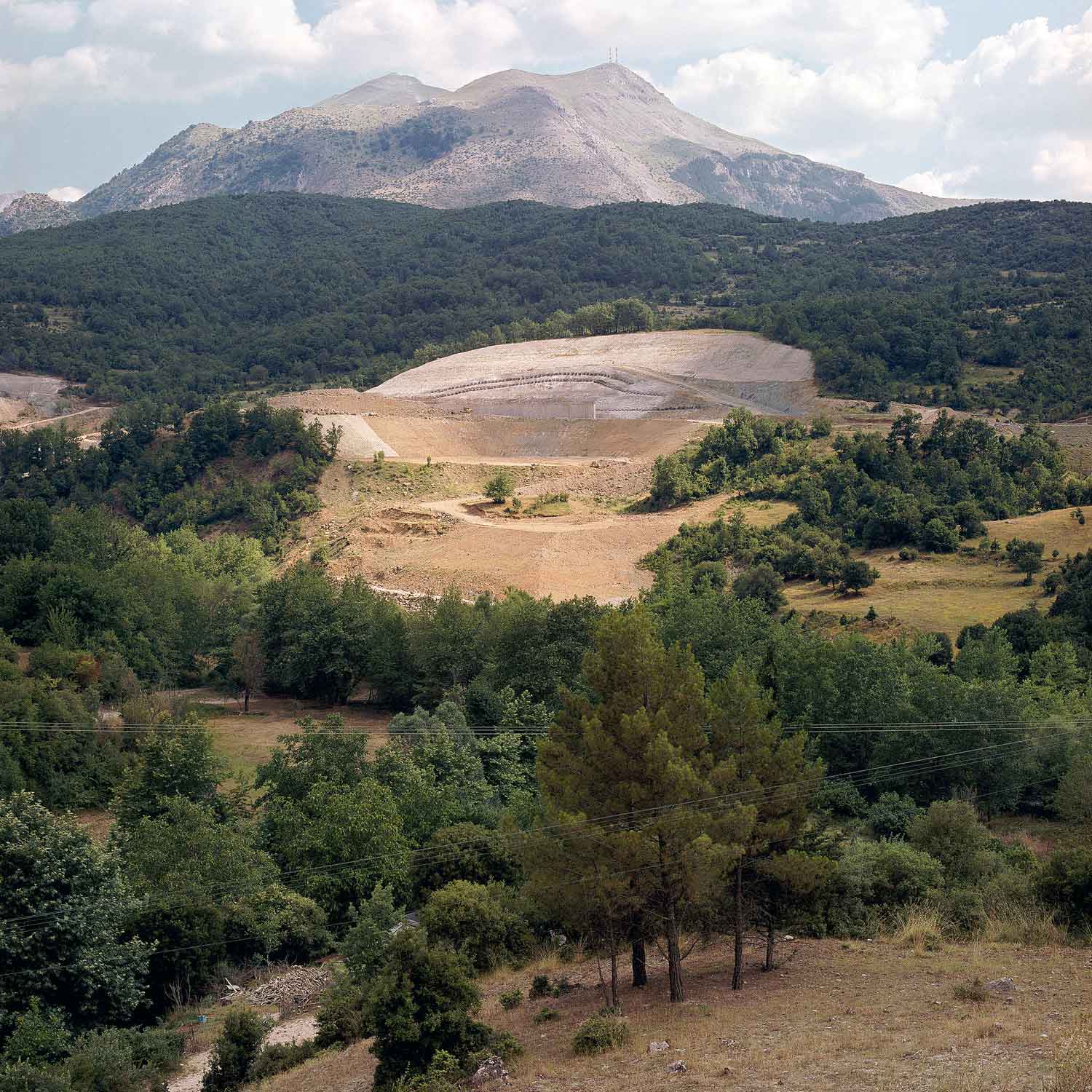
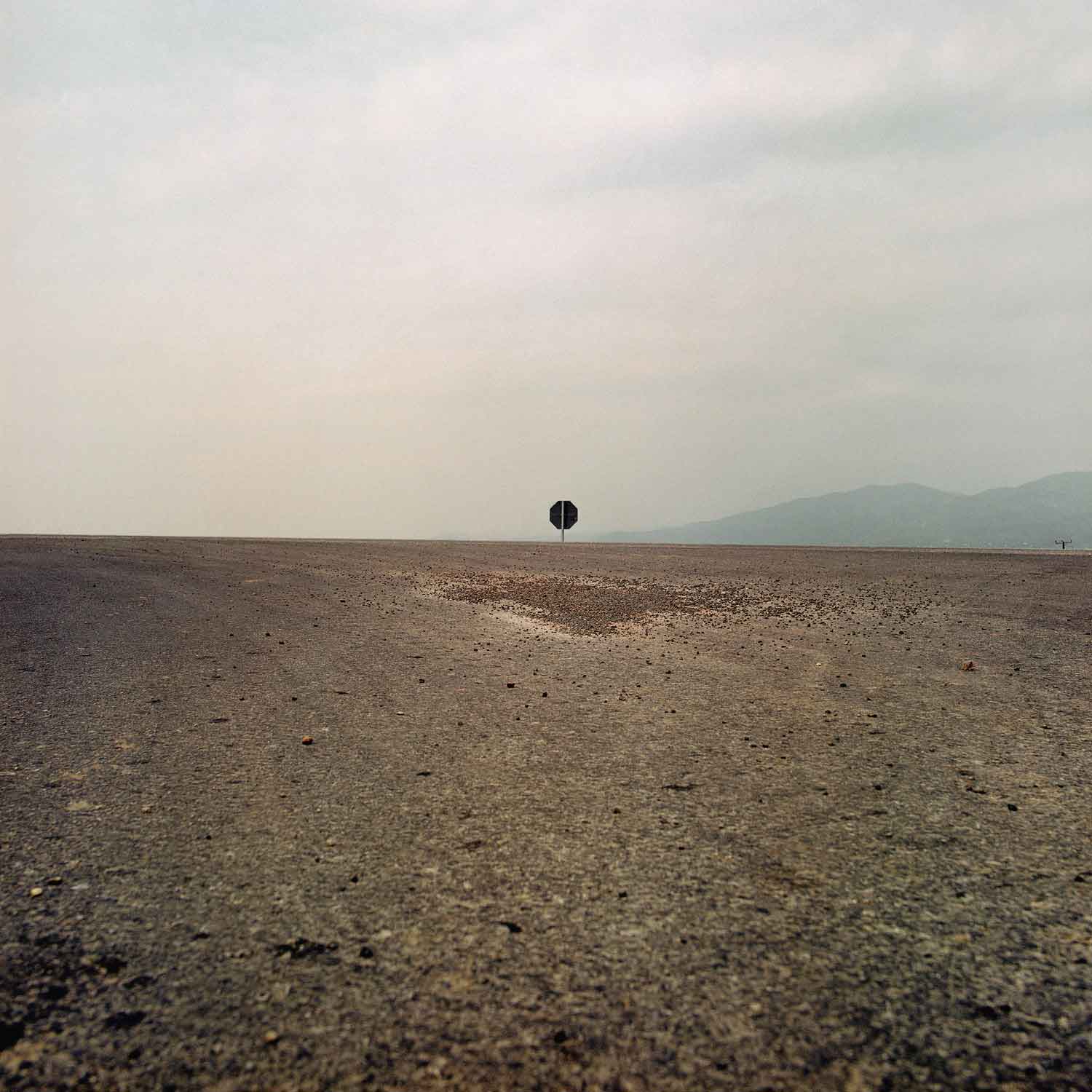
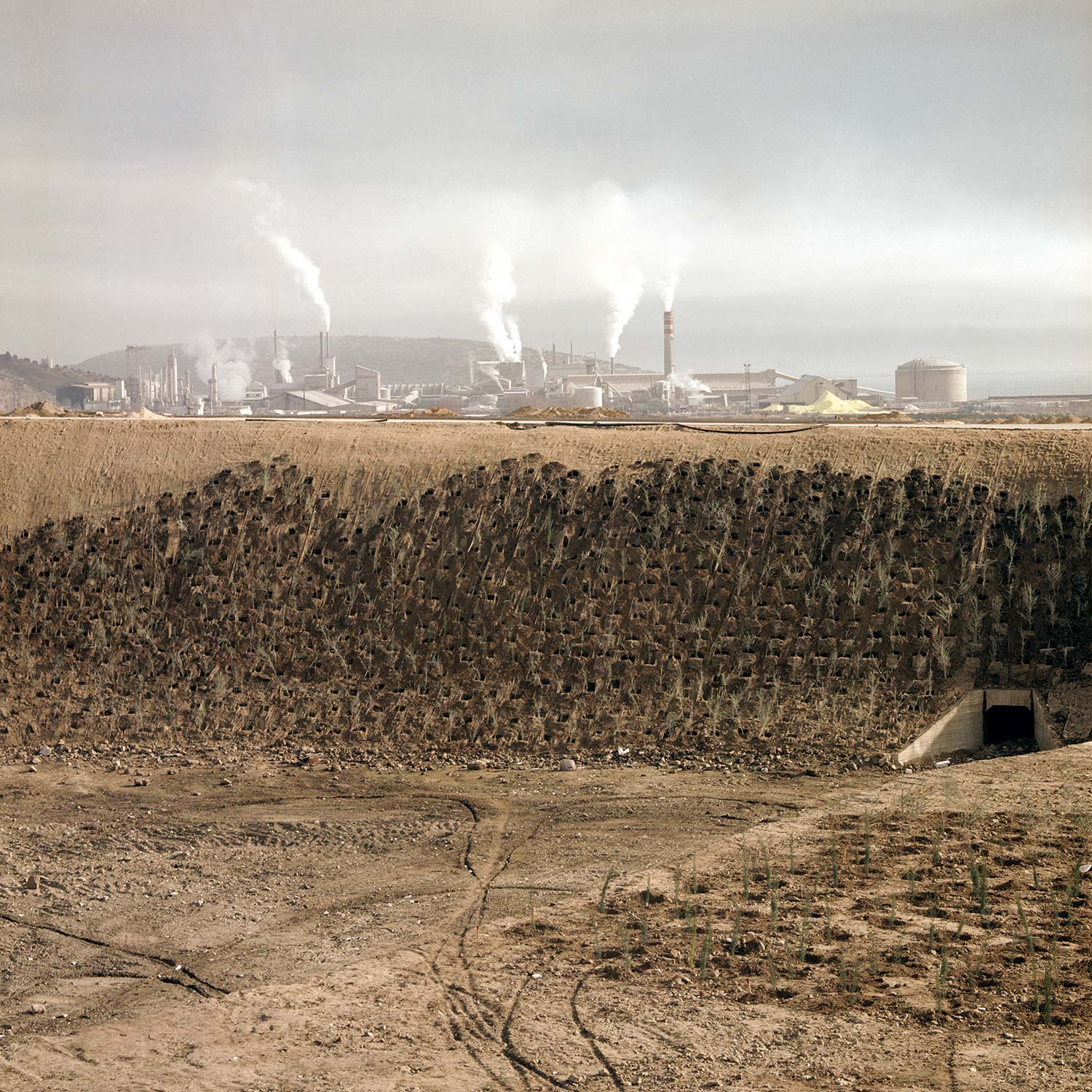
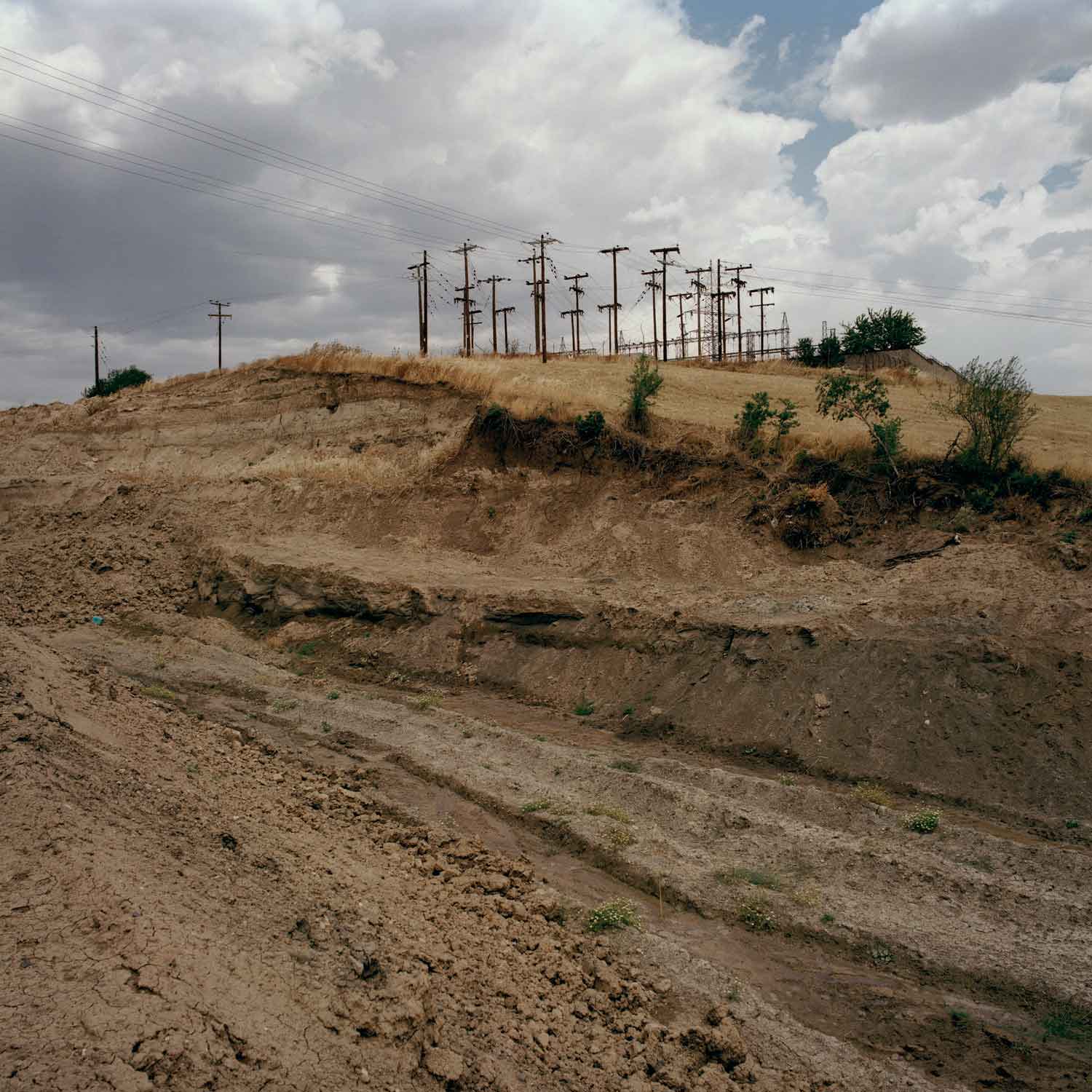
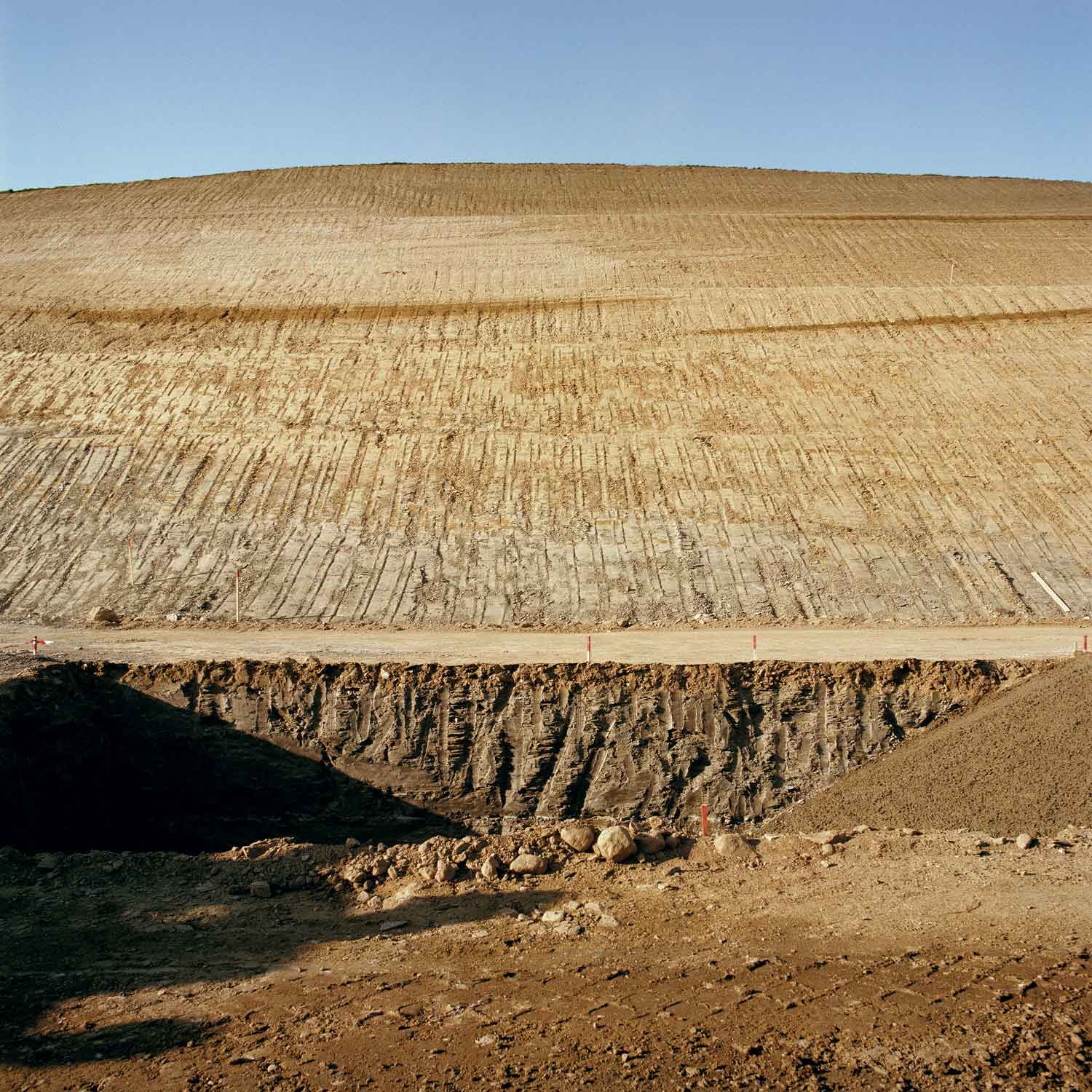
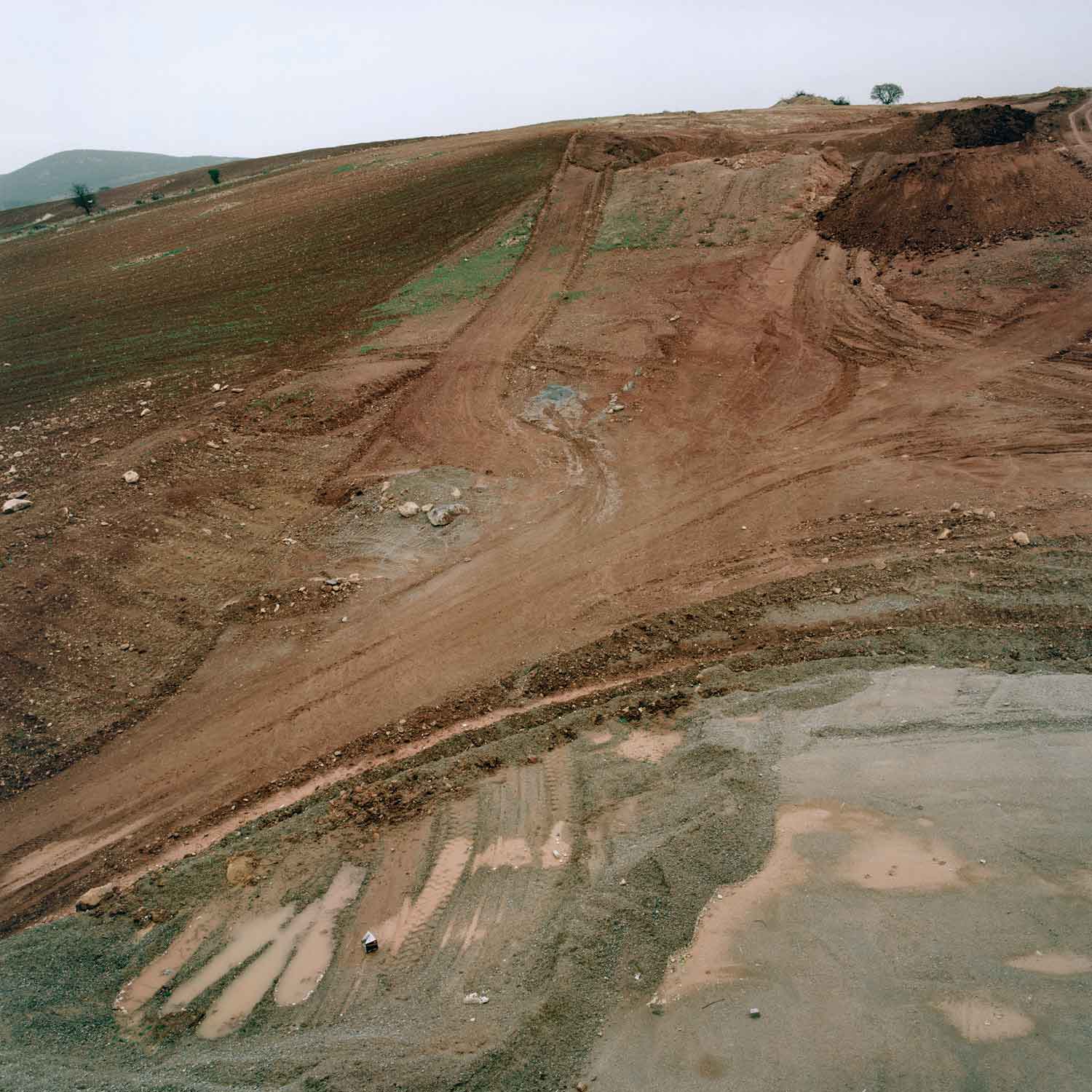
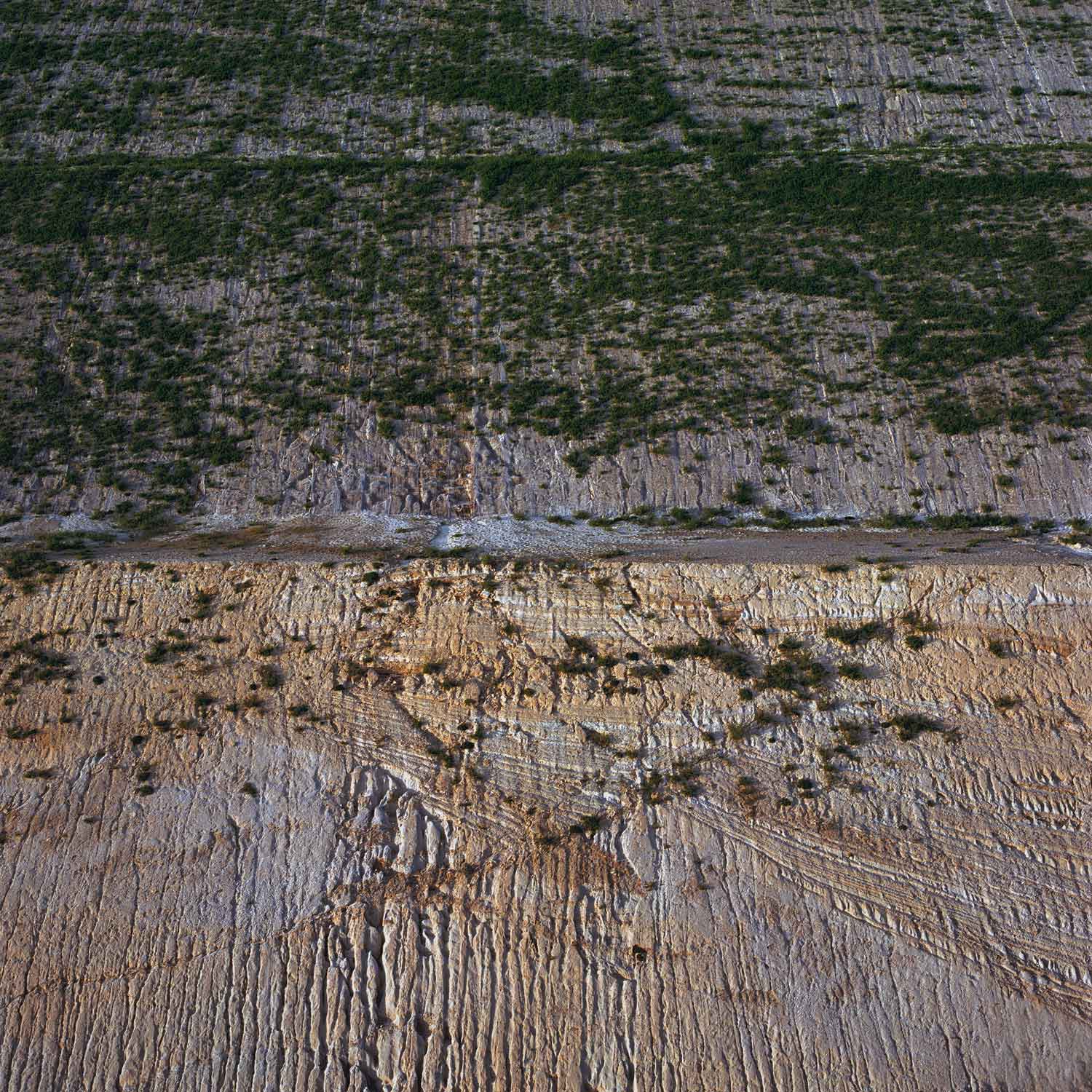
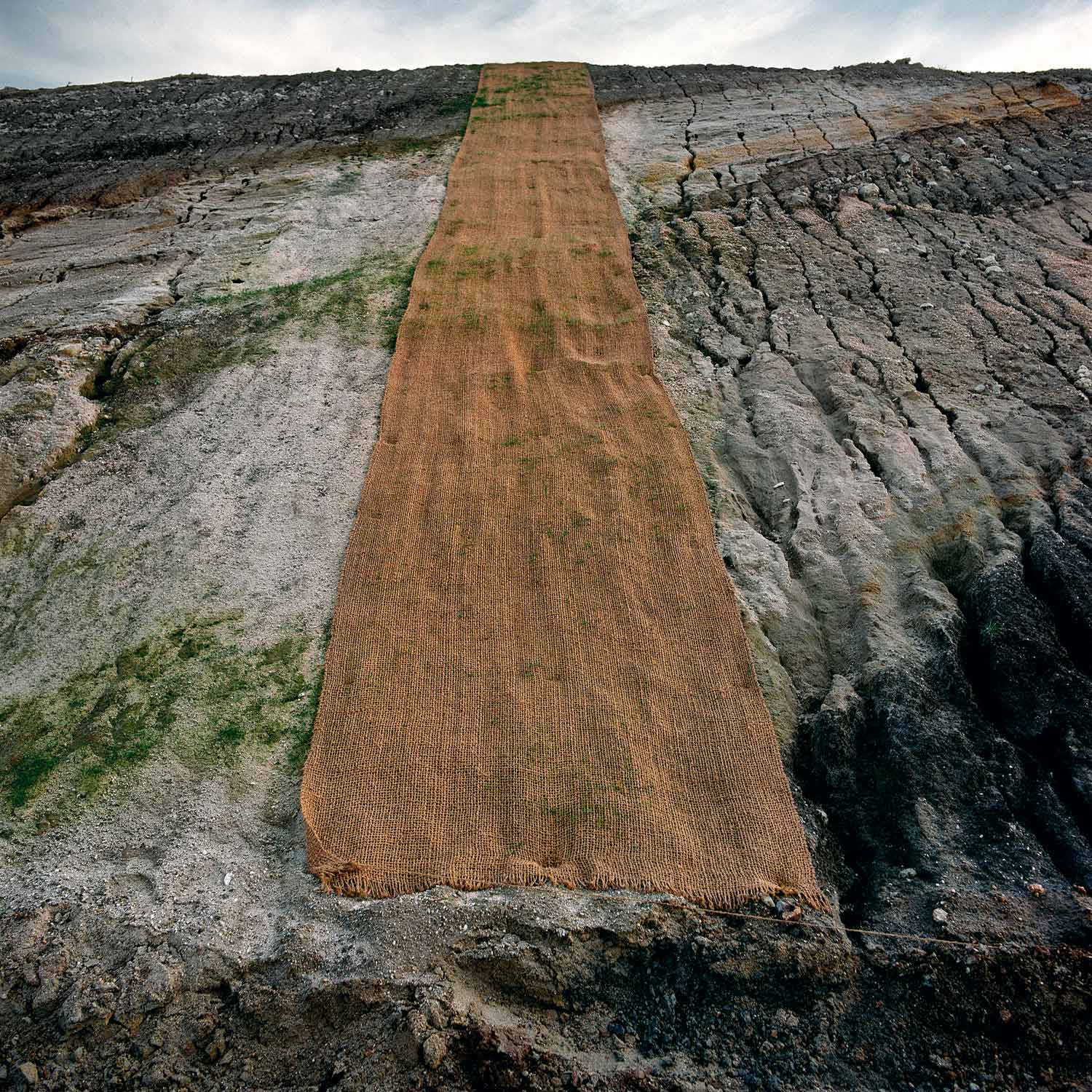
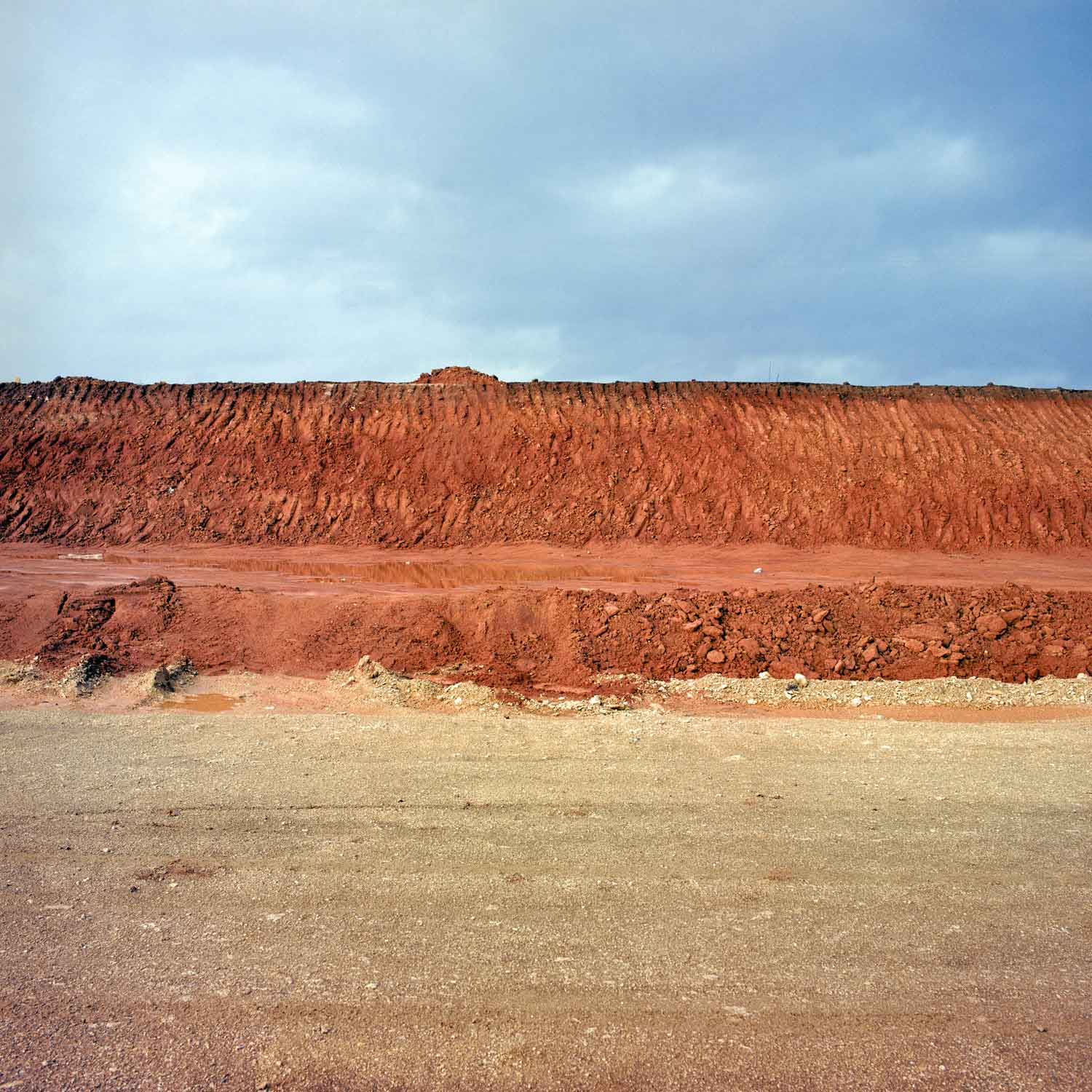
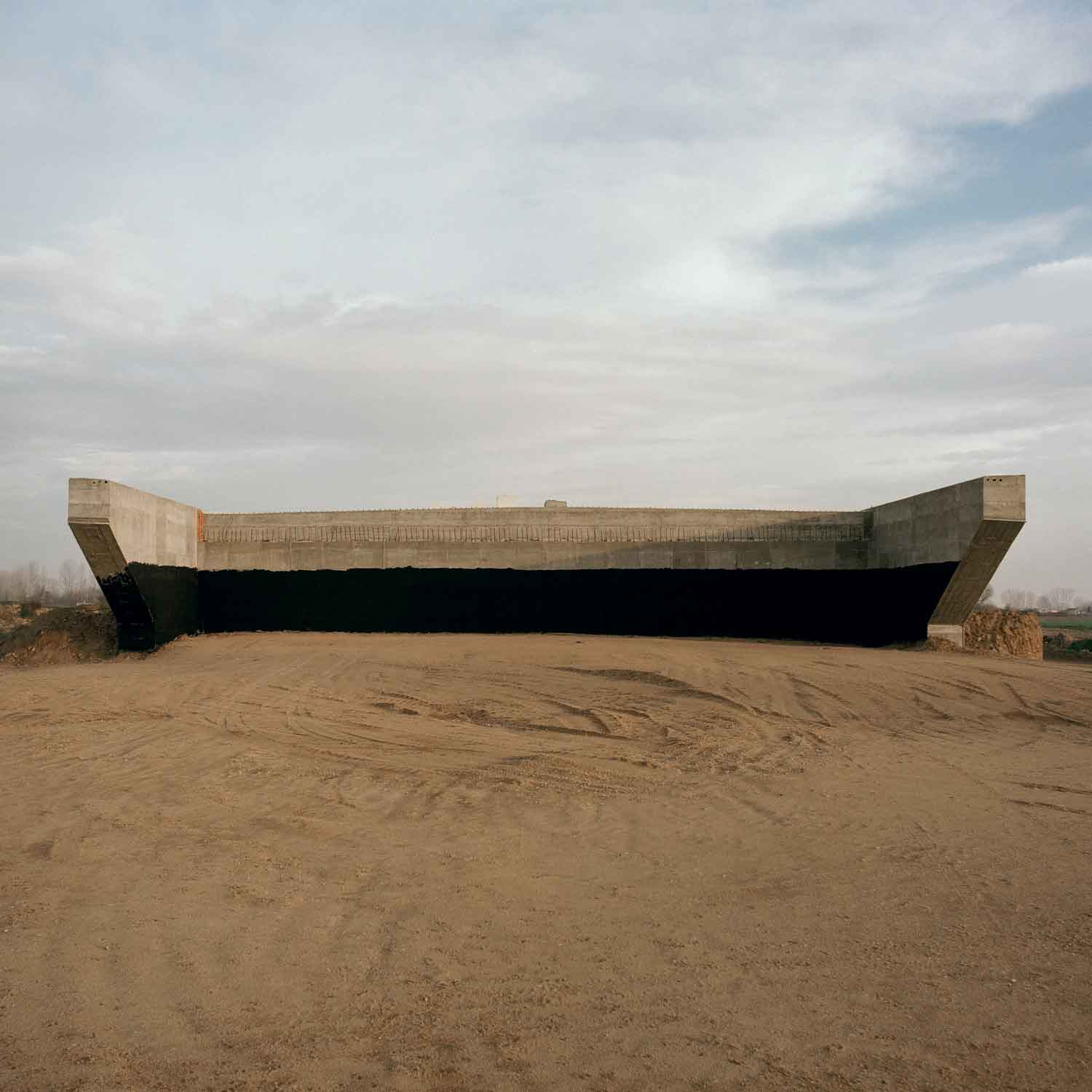
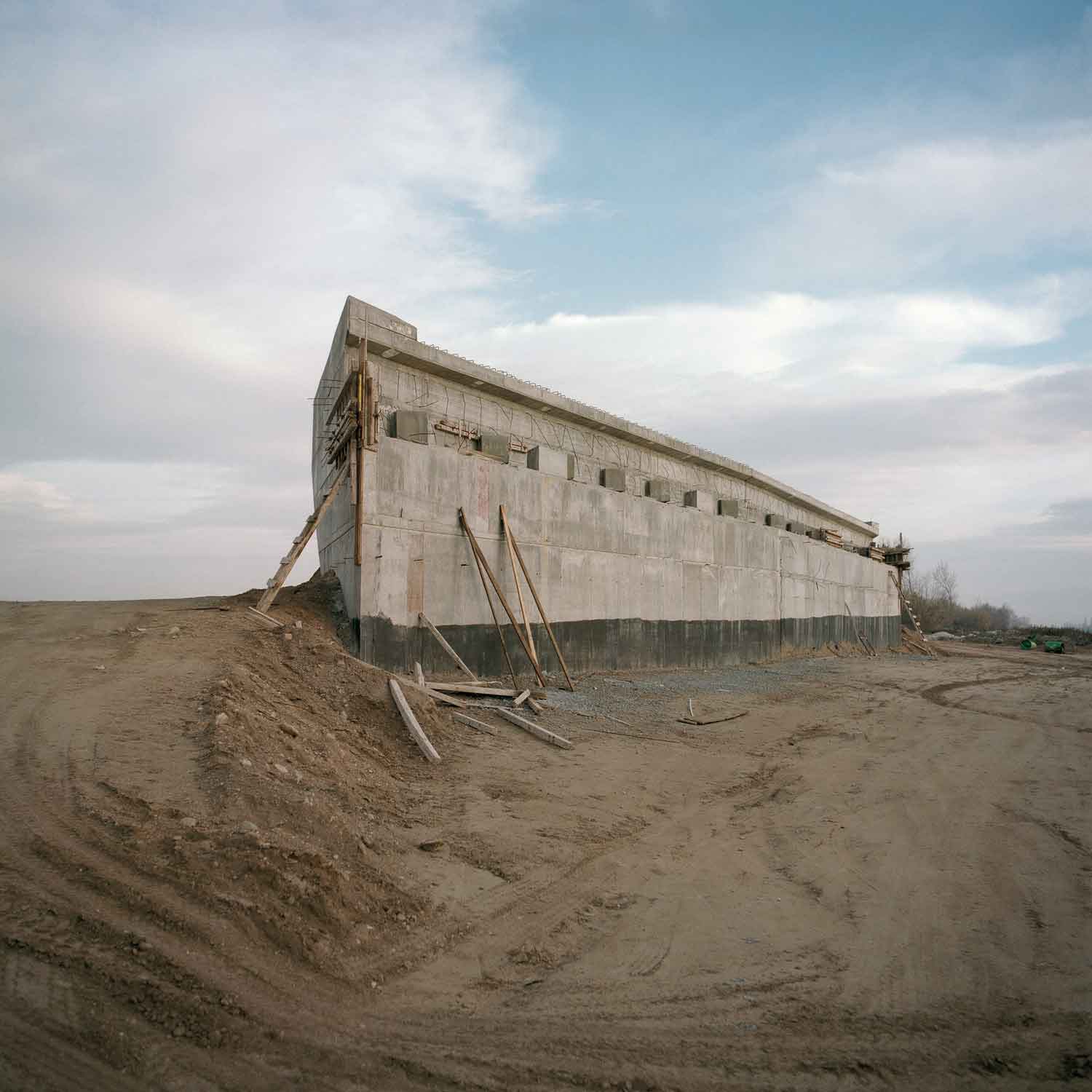
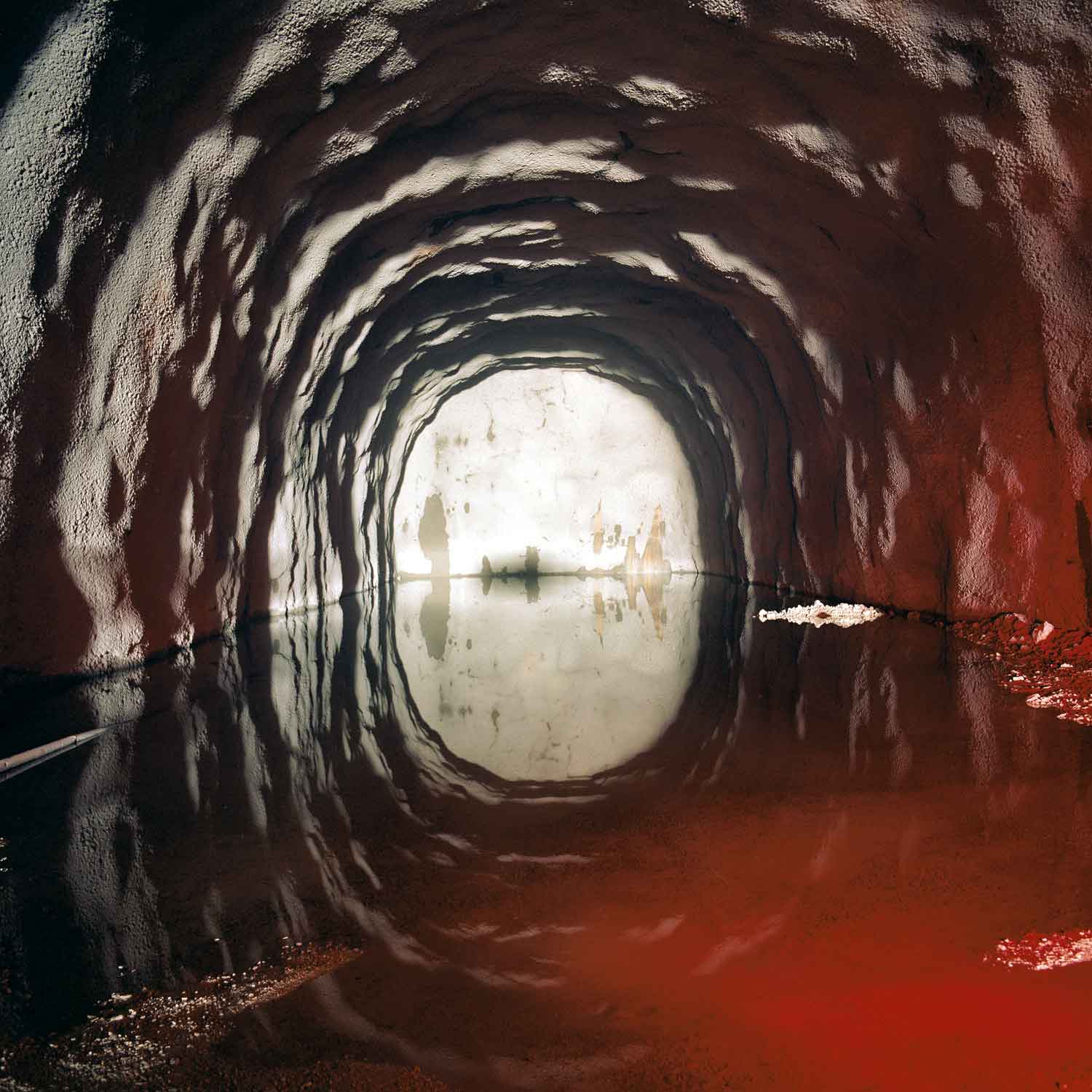
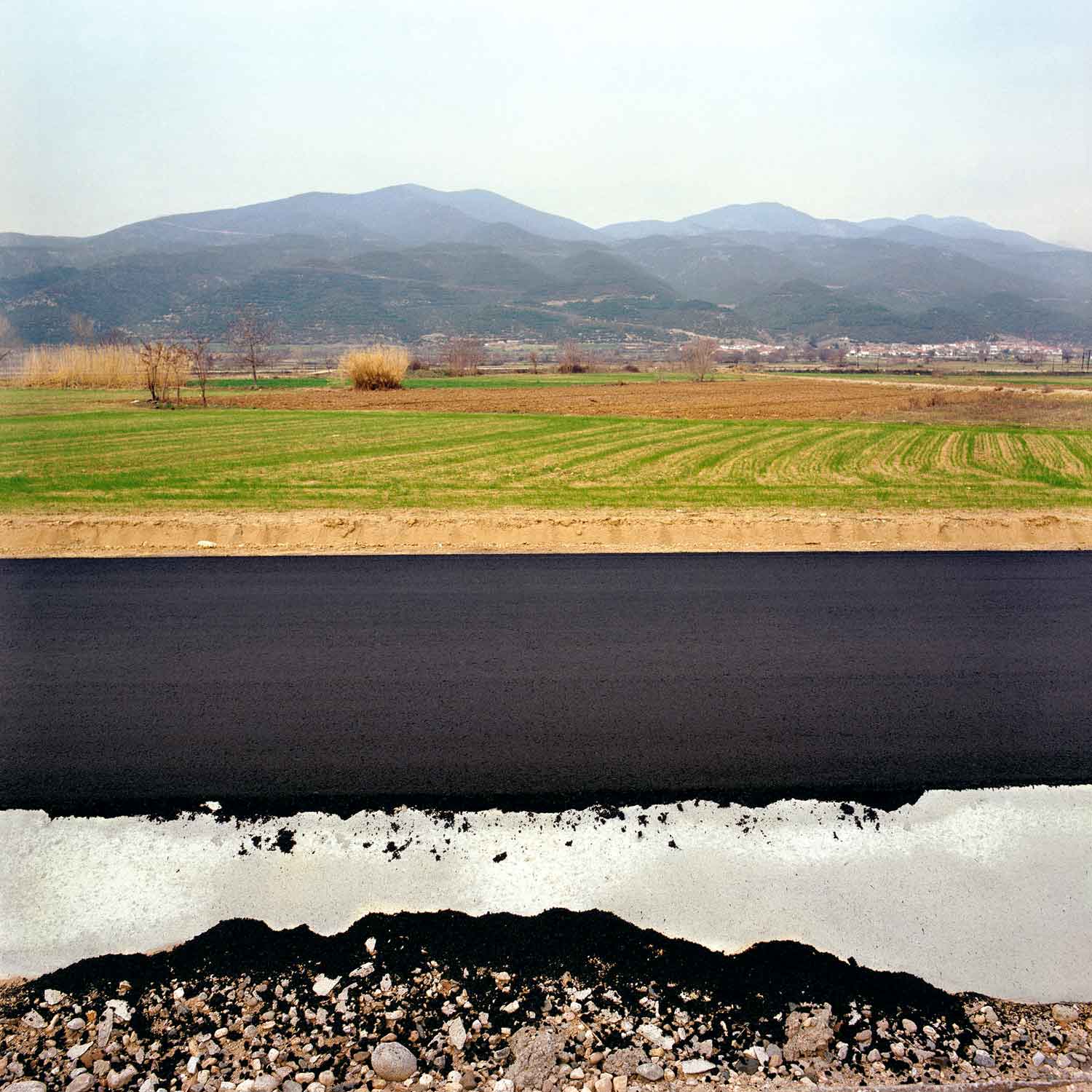
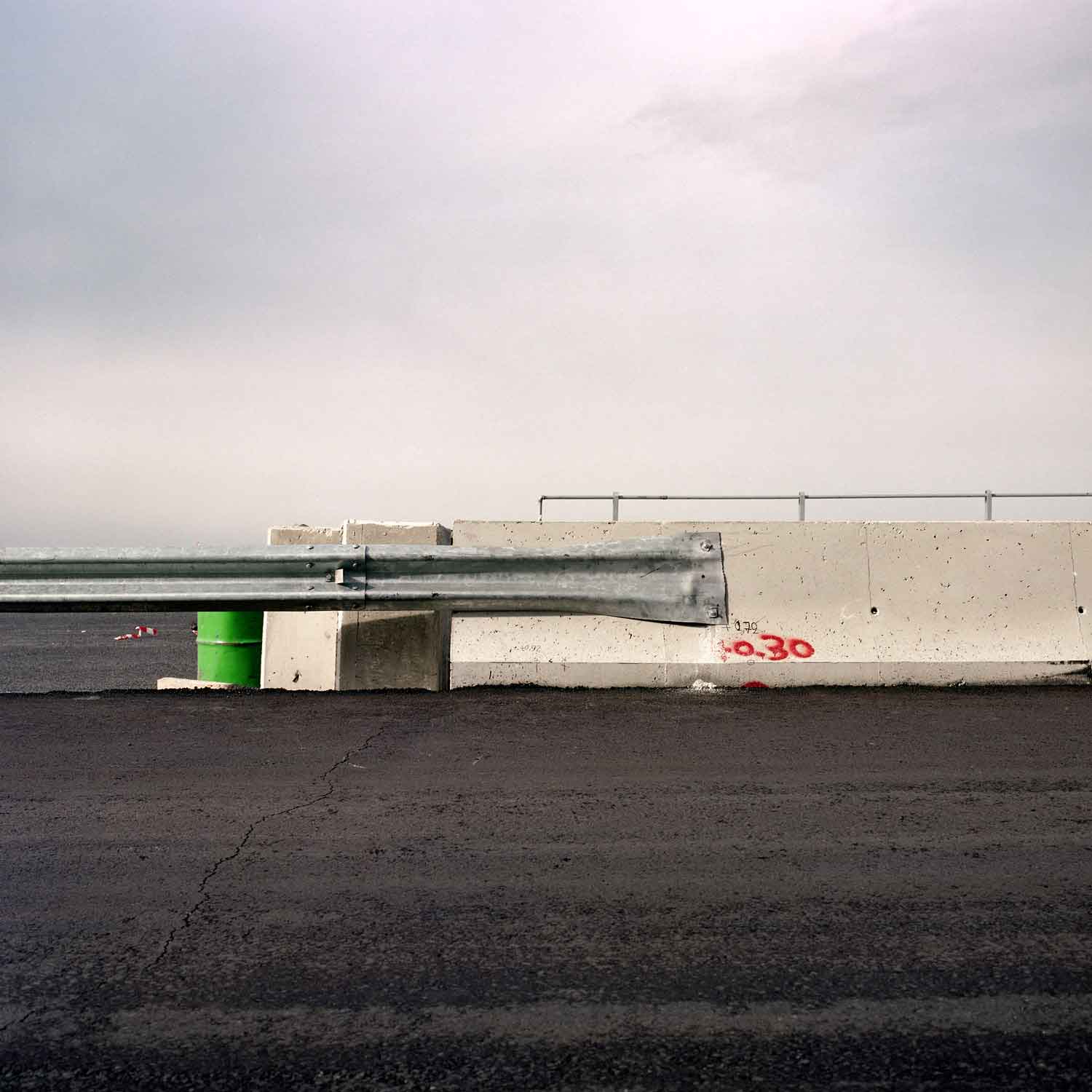
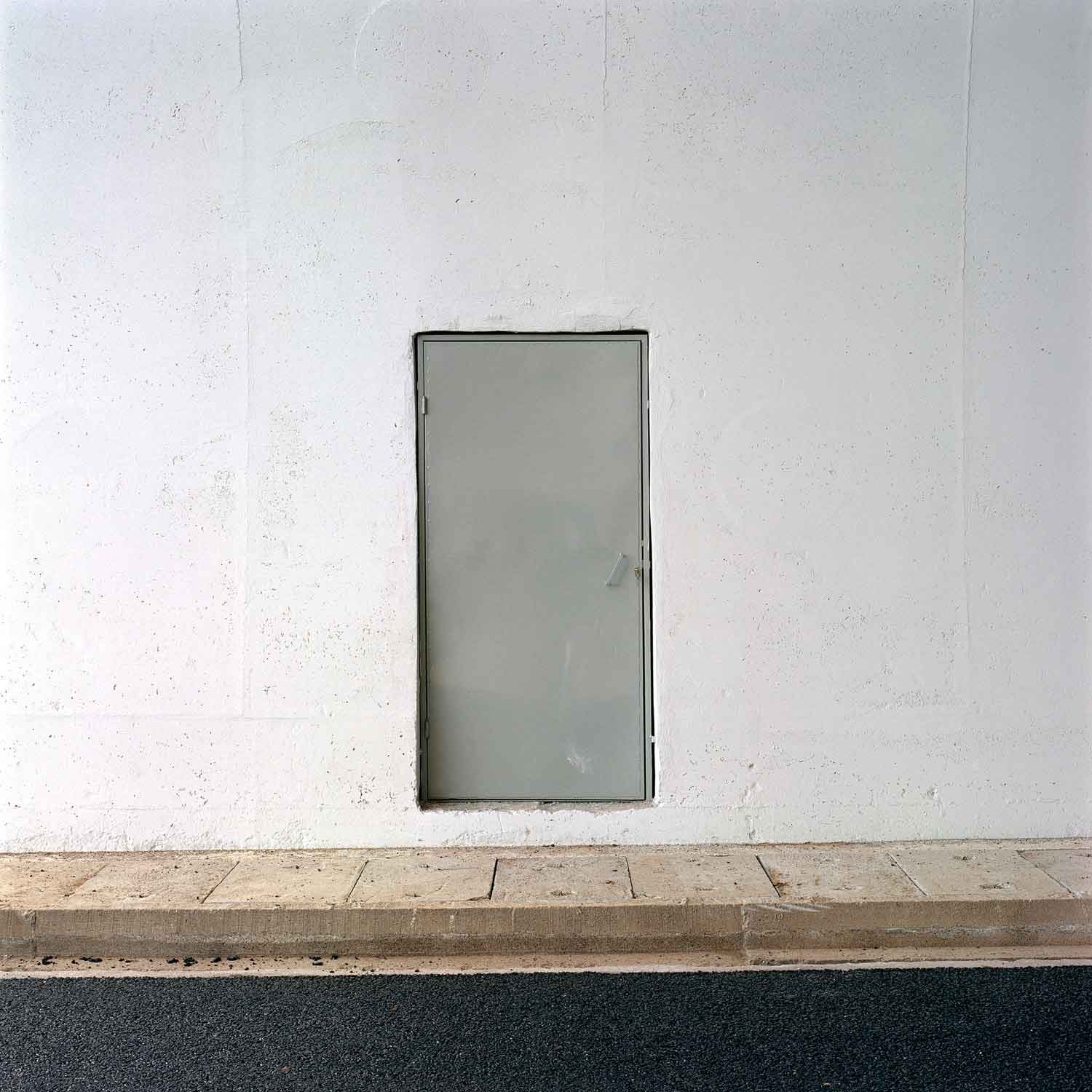
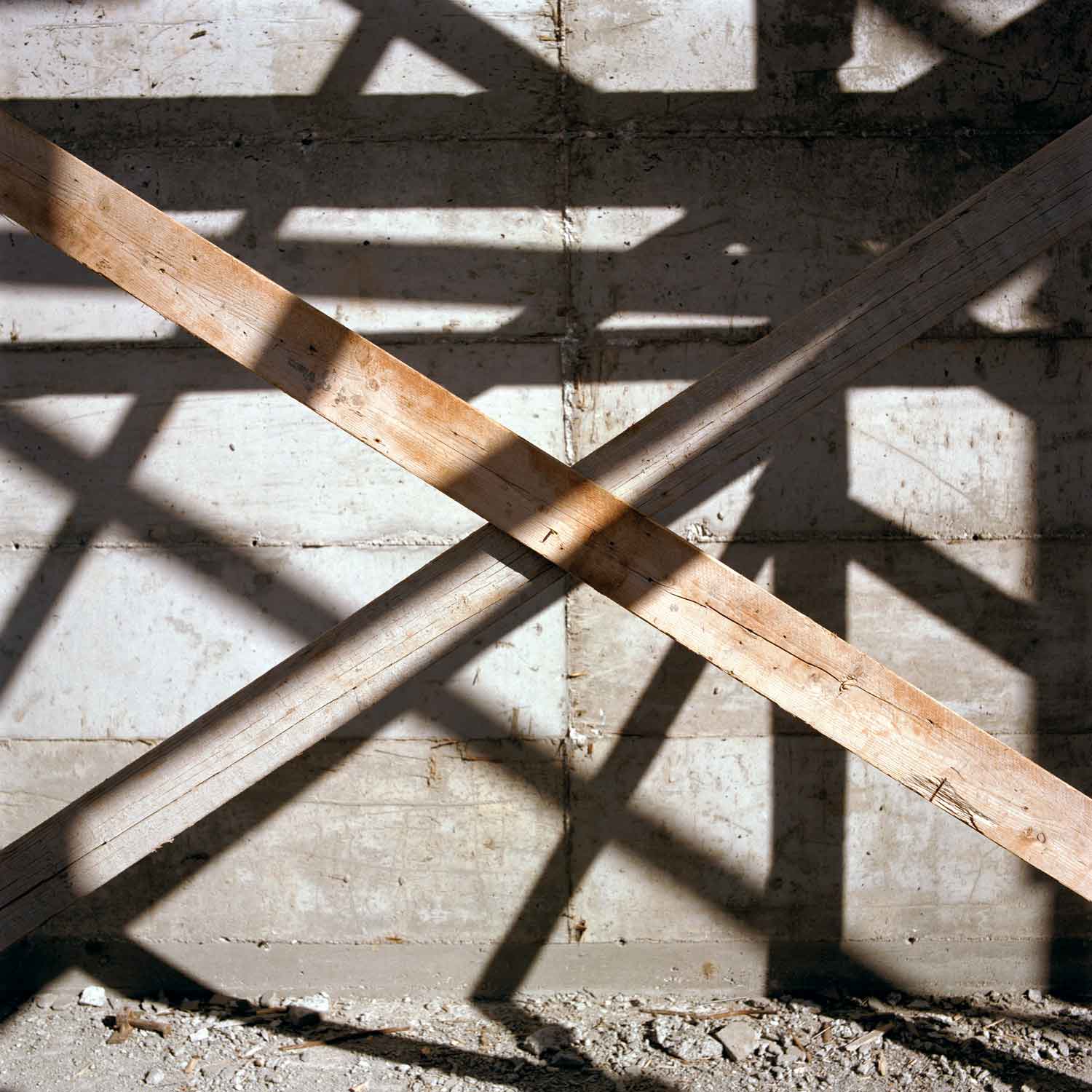
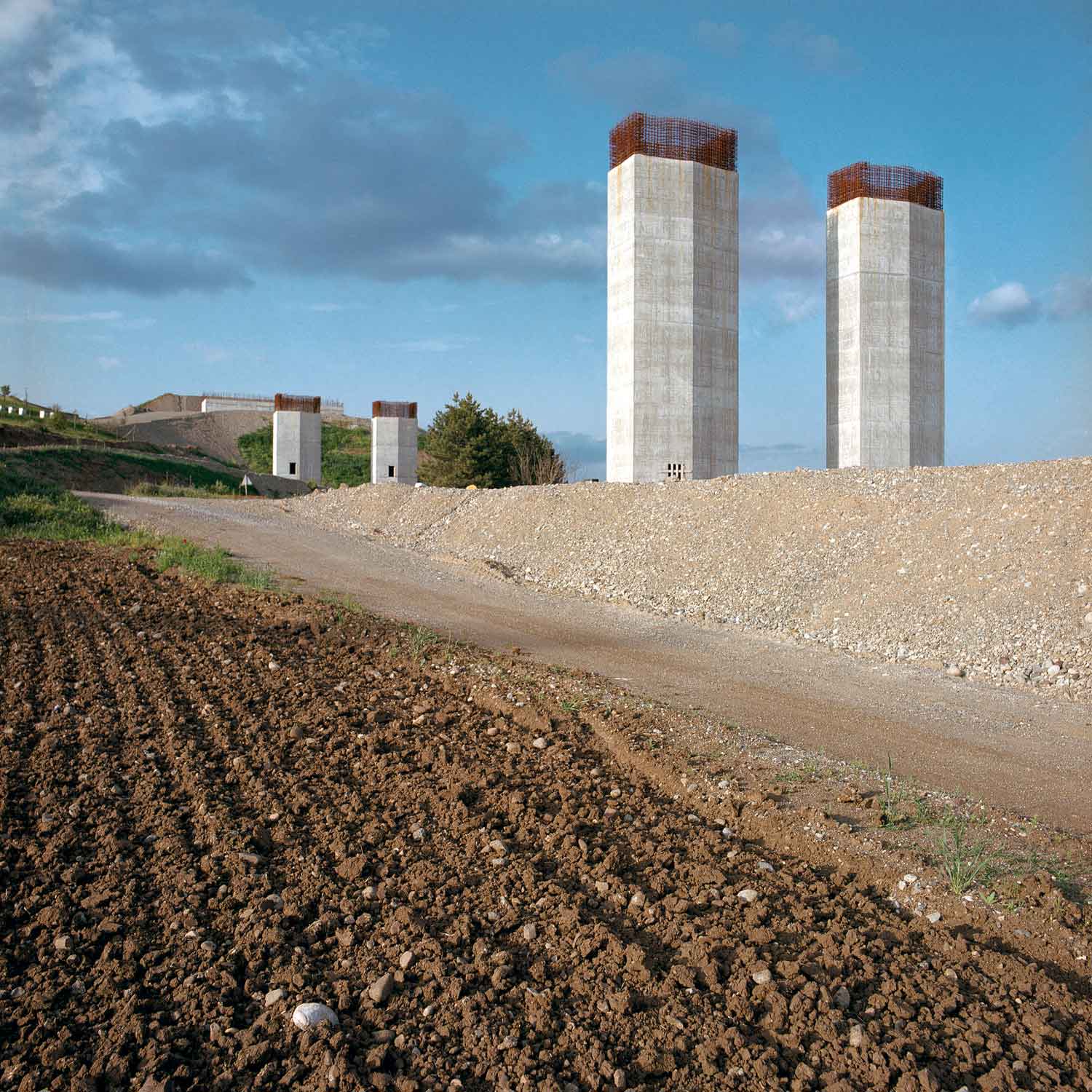
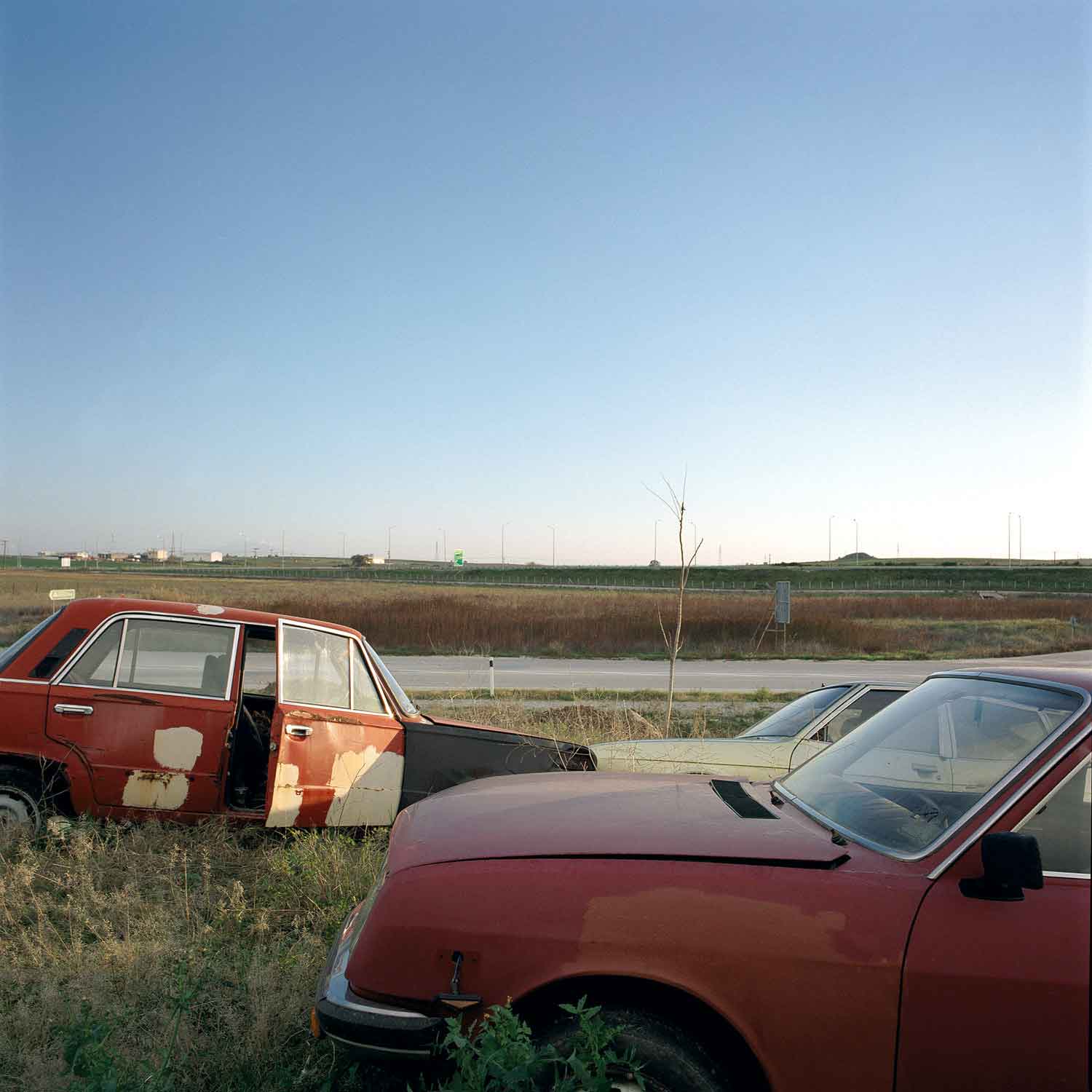
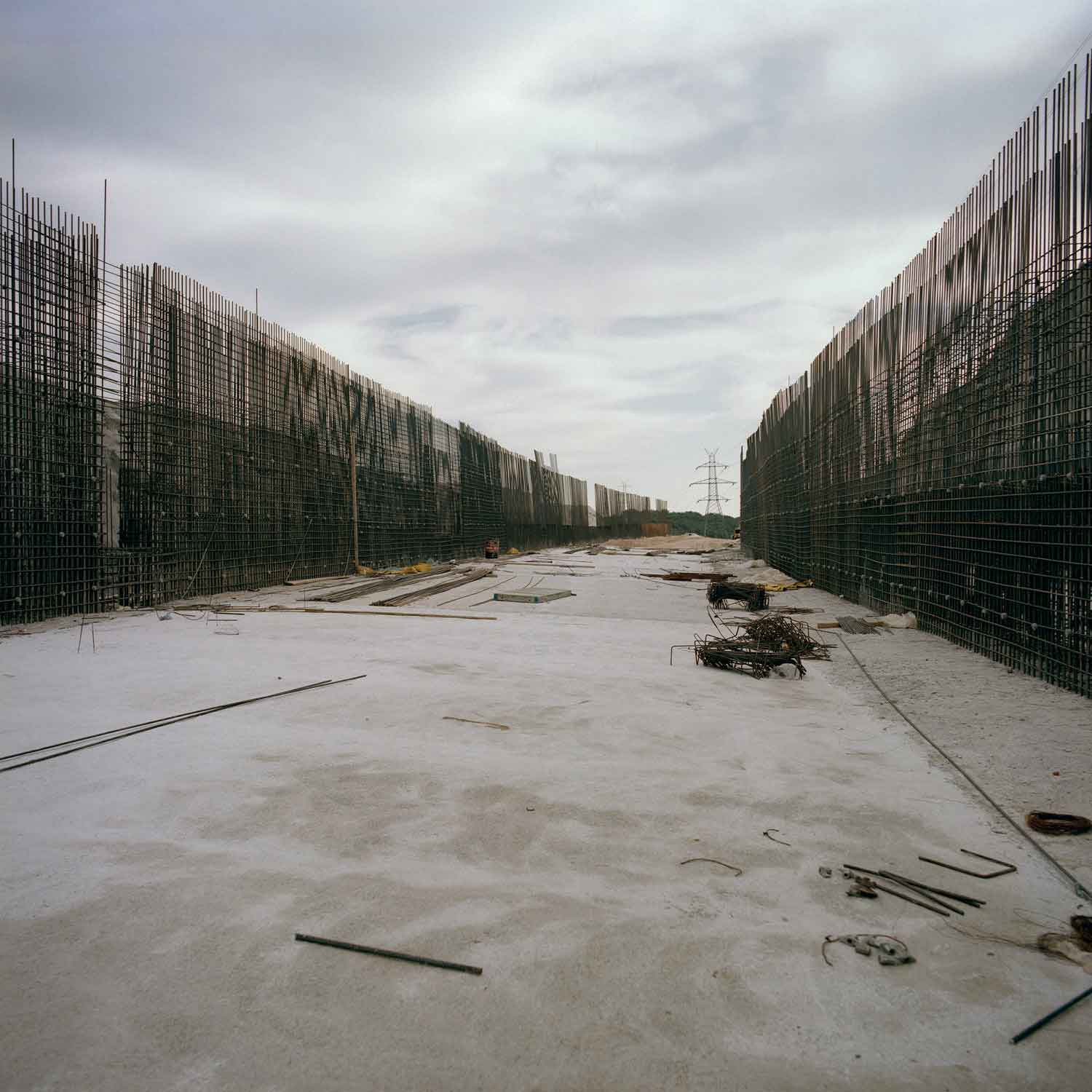
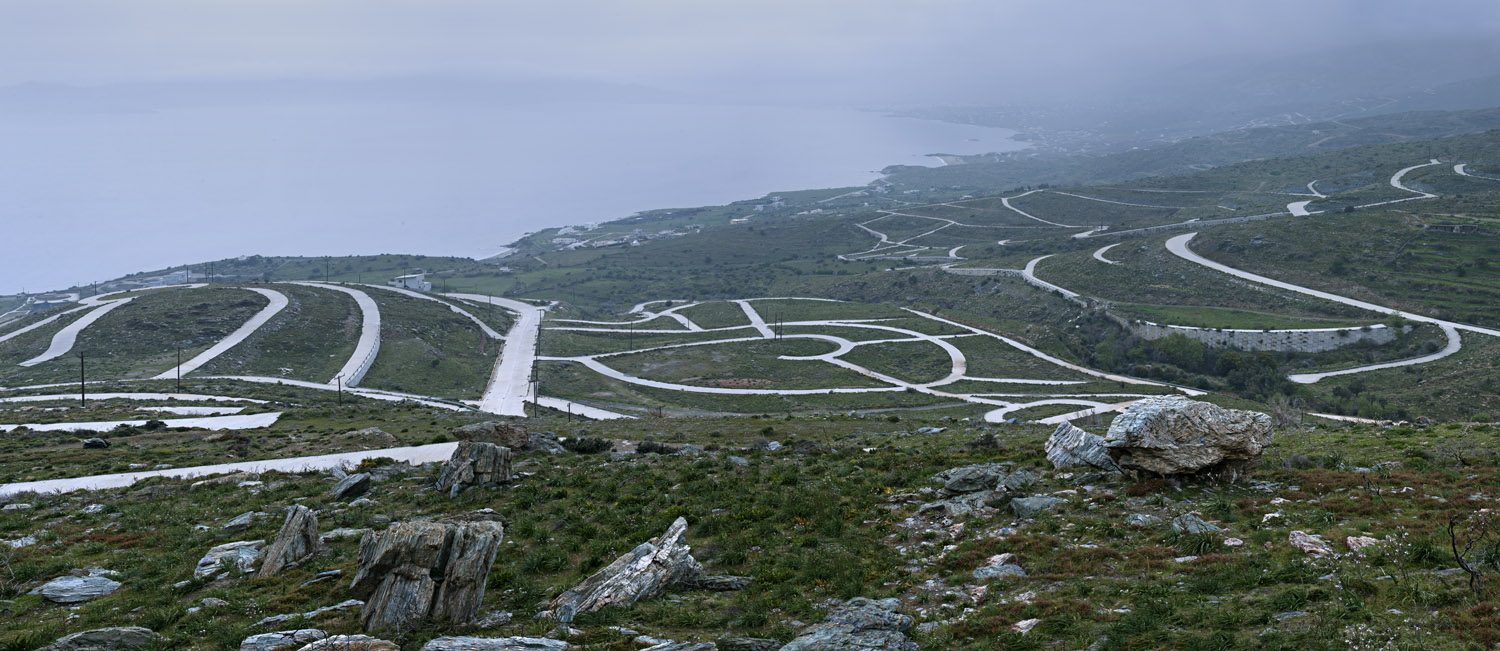
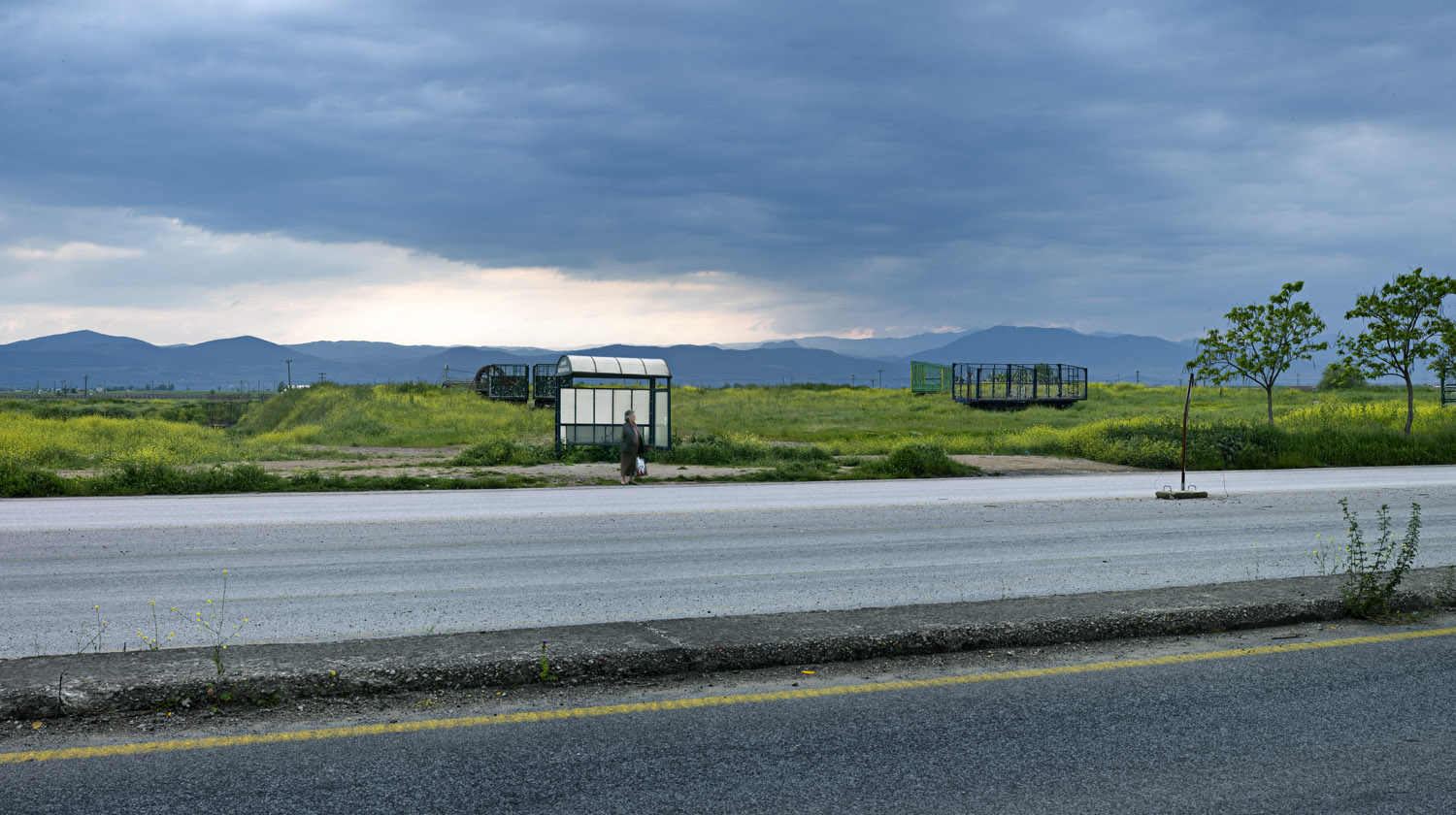
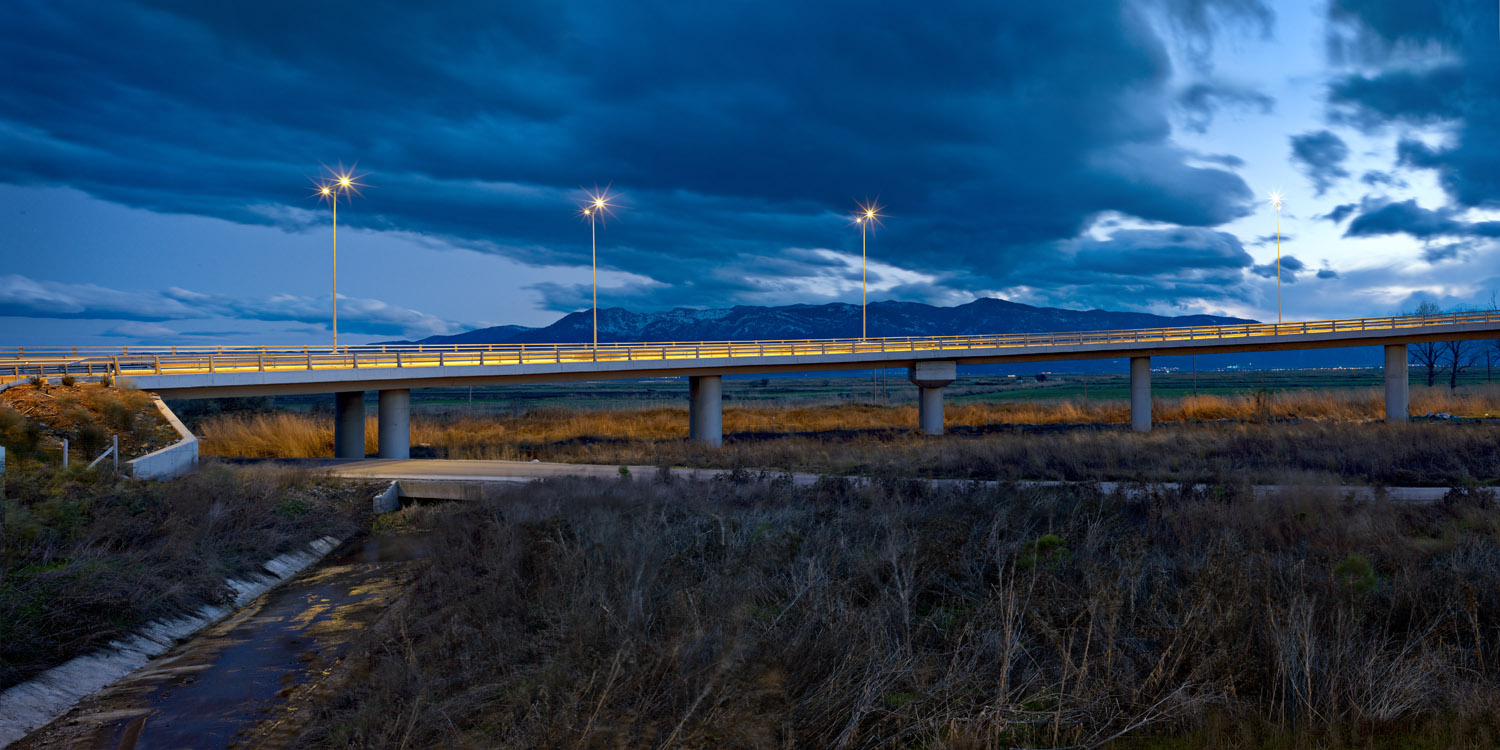
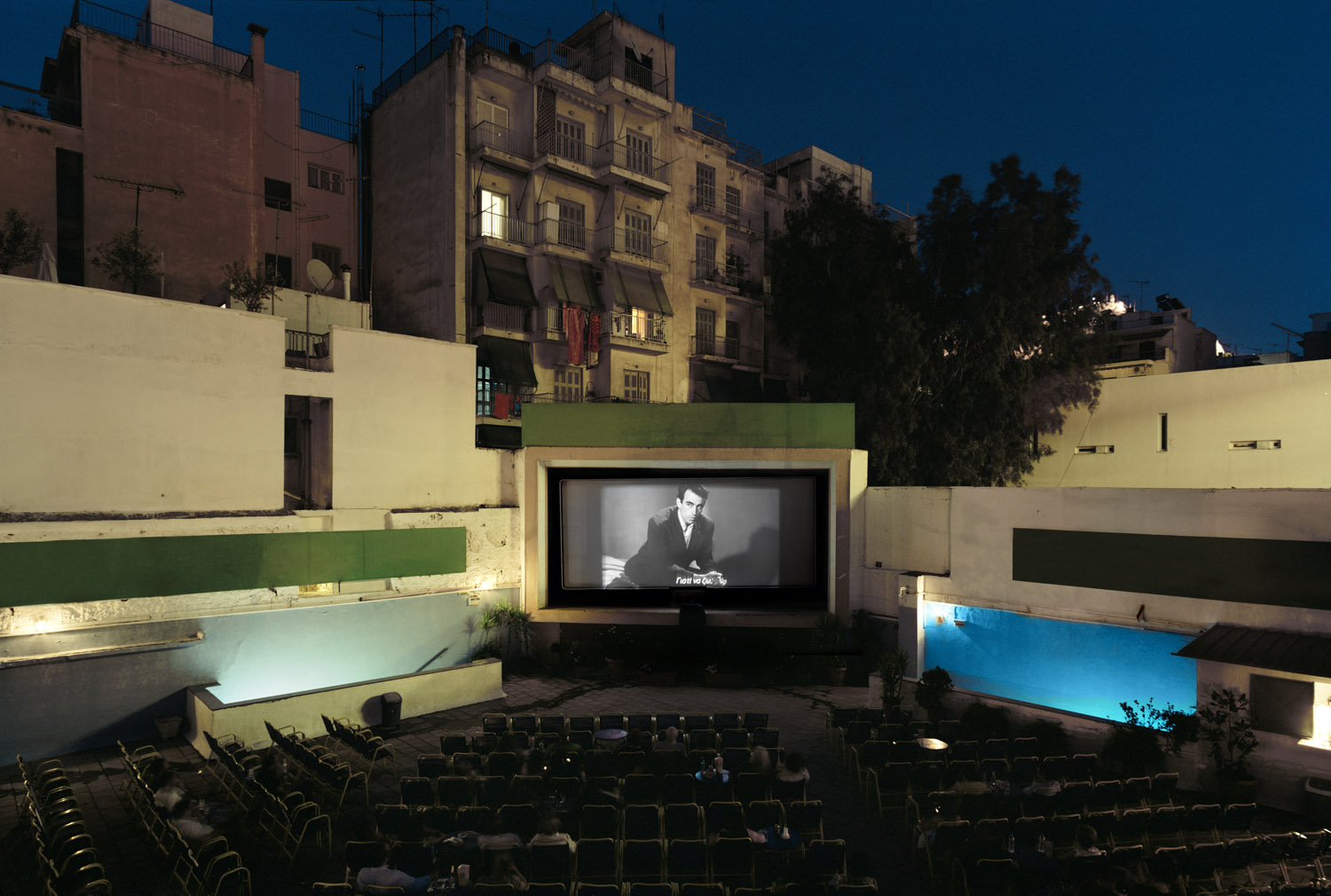
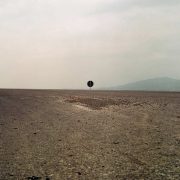
The photographic expedition of the concruction of Egnatia Odos originated from my intence will to be present during the birth of a landscape. A privileged, so to speak, spectator of a cecluded, harsh landscape in transition, an «in-between» landscape. The construction of Egnatia highway was closely followed throughout its full length of 680 km, emphasizing on the dynamics of change. The interest focused on the intemediate stages of the landscape and not on its final form.
The key motive was no other than to explore the way one perceives as well as reacts against the natural and the man-made environment. The photographic interpretation derived from the intention to propose new narratives about the contemporary landscape and record its ephemeral phases at the same time.
The ephemeral landscape created during the construction of the Egnatia Motorway ceased to exist when the project was finally open for use. It ceased to be present or be noticed because the motorway’s function overshadowed all its other features. This body of work represents an account of the massive changes that affected the landscape that emerged in-between, before its altered face was taken completely for granted.
Portfolio created: 2007
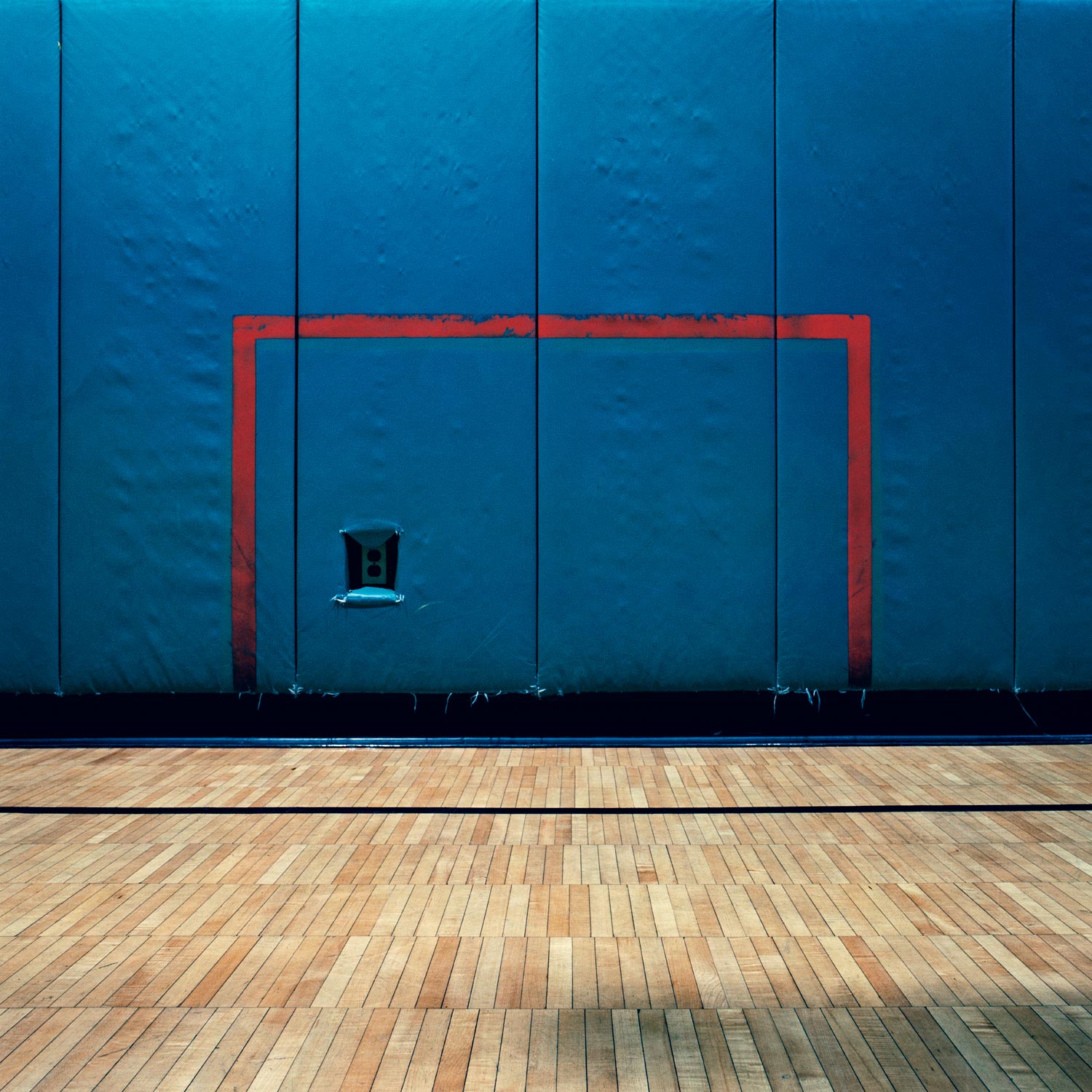
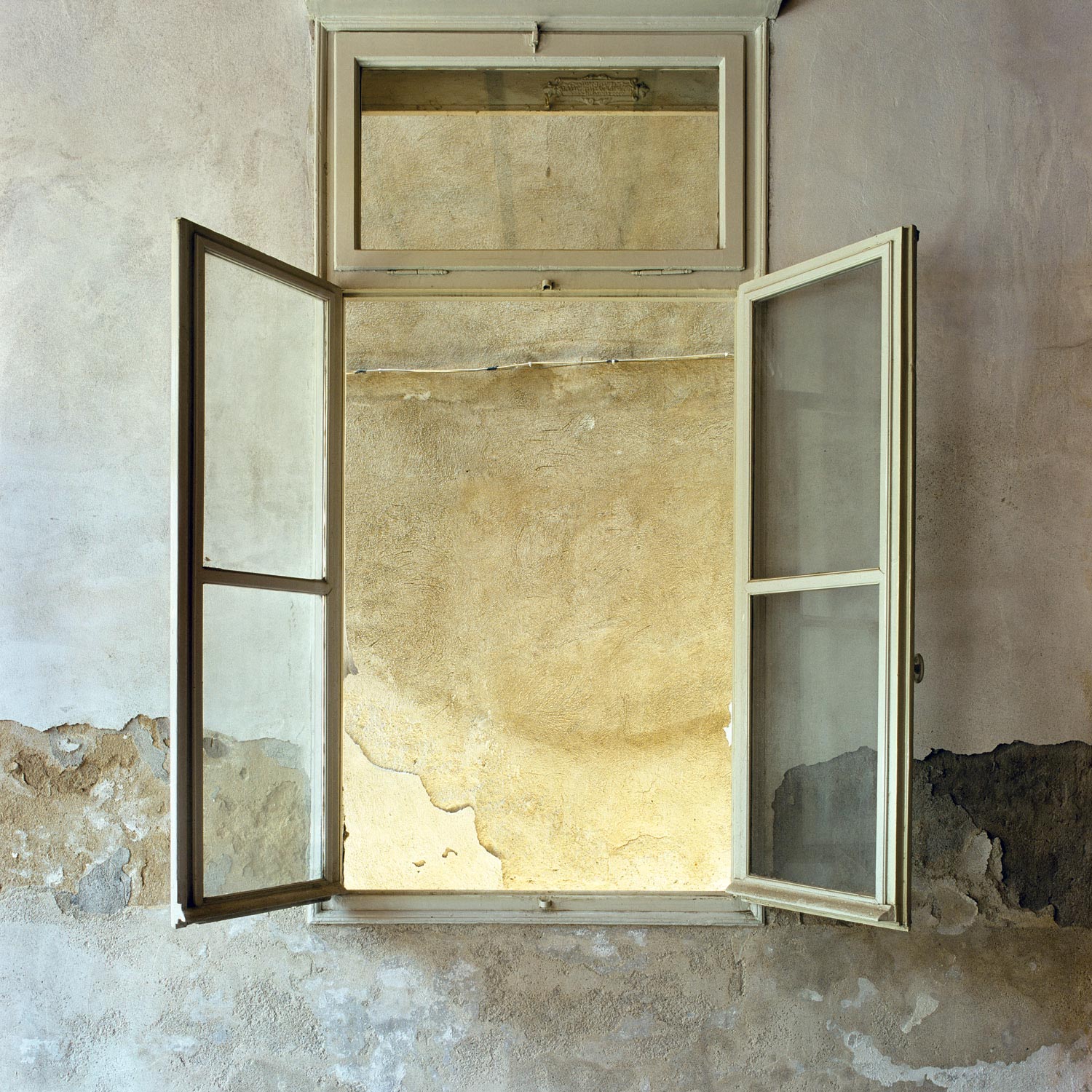
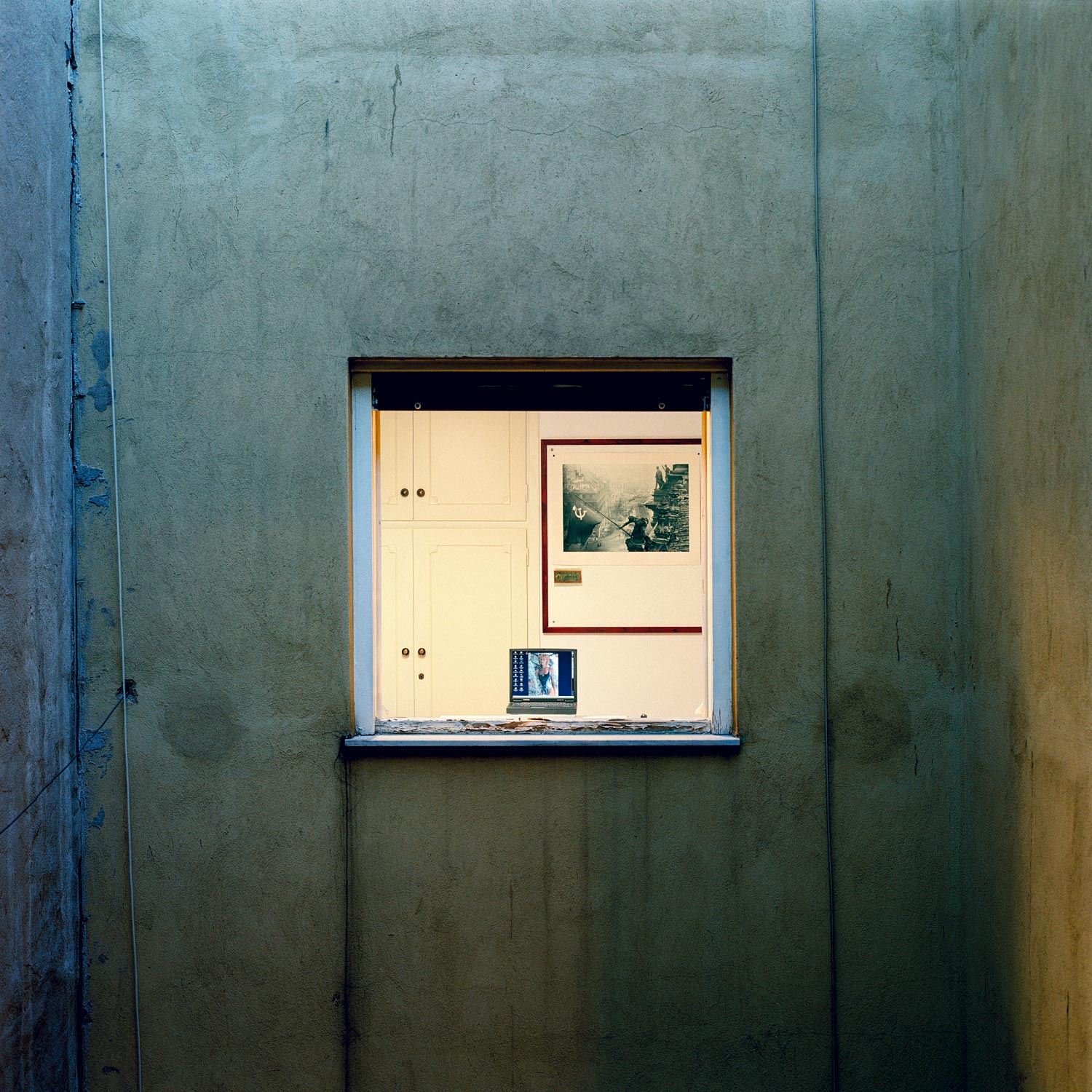
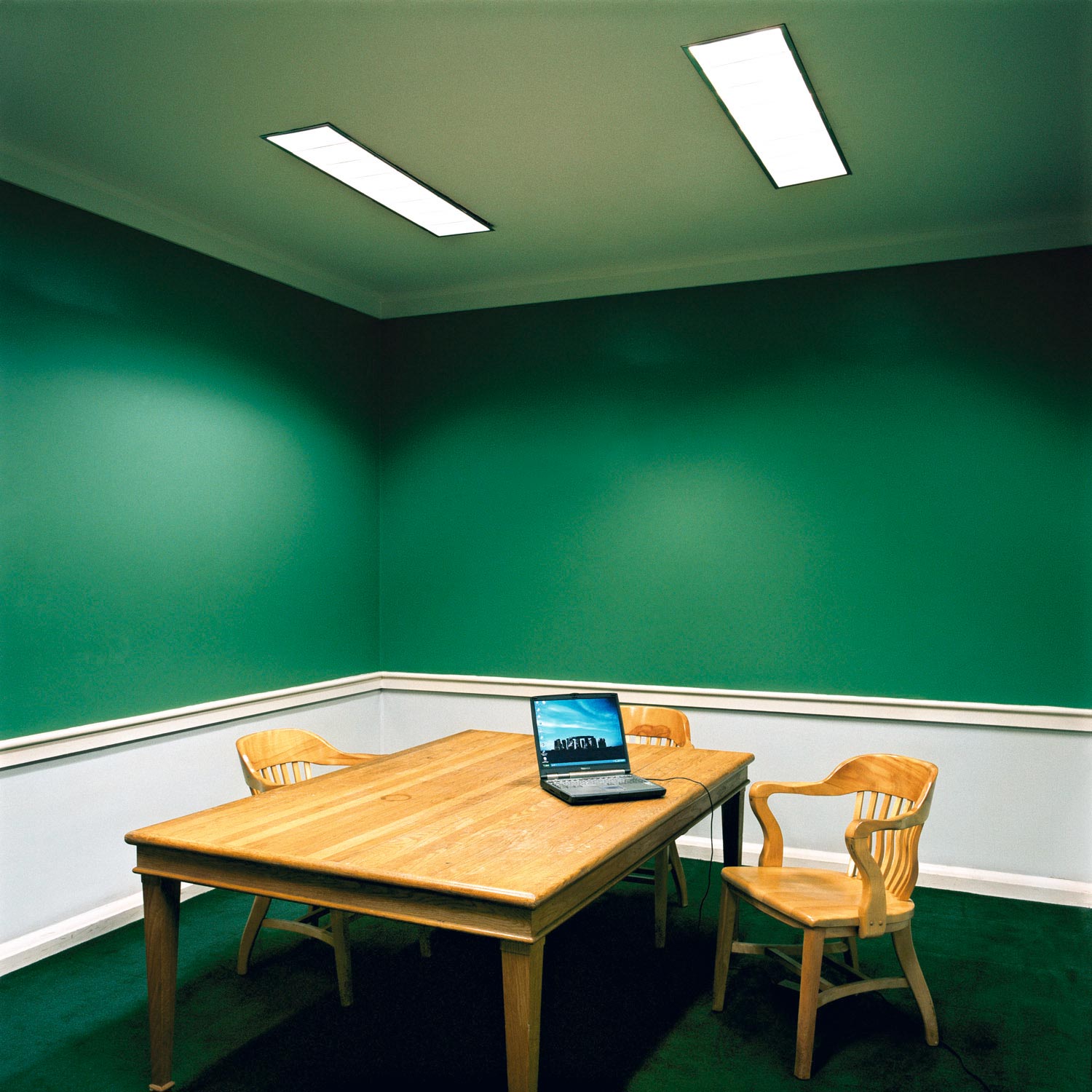
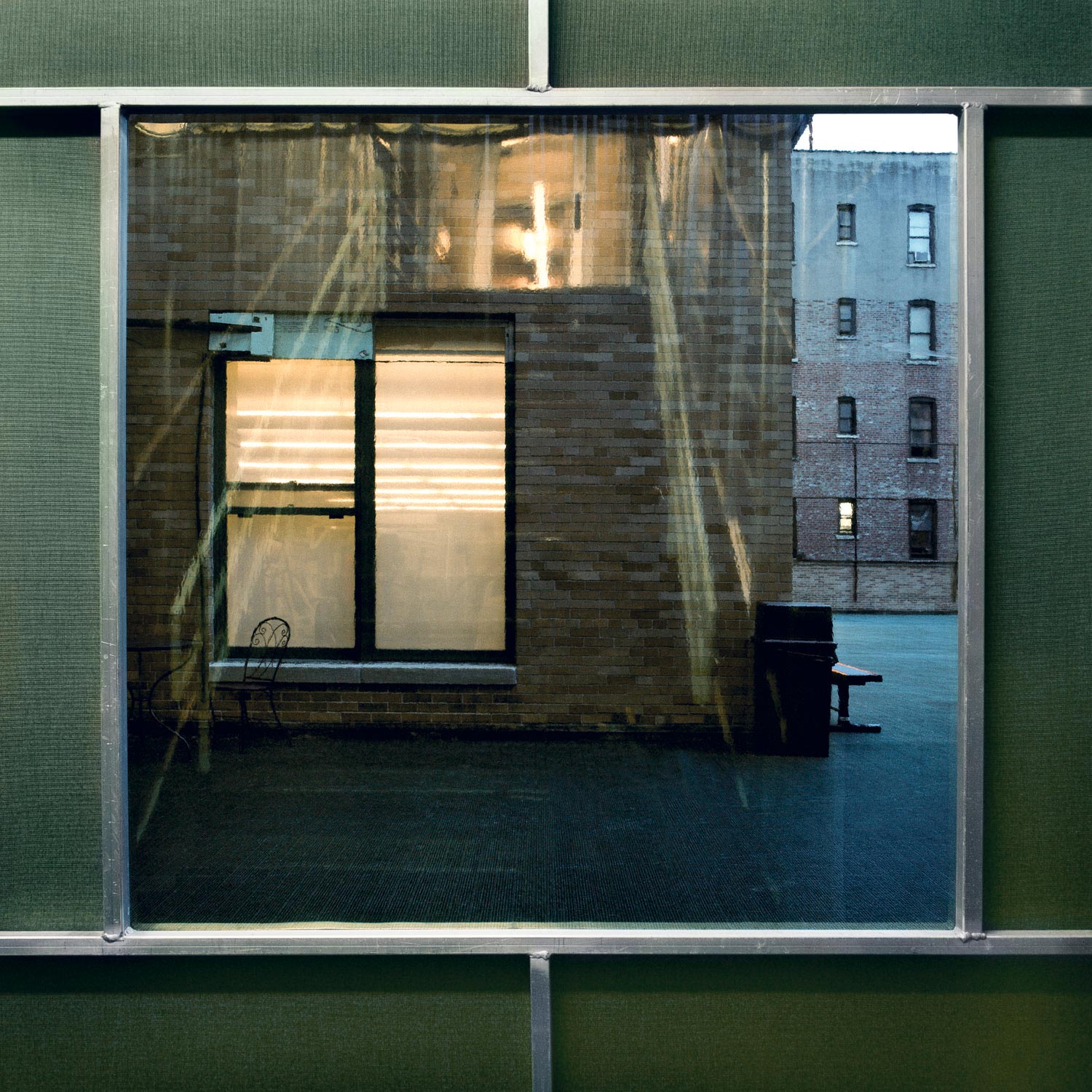
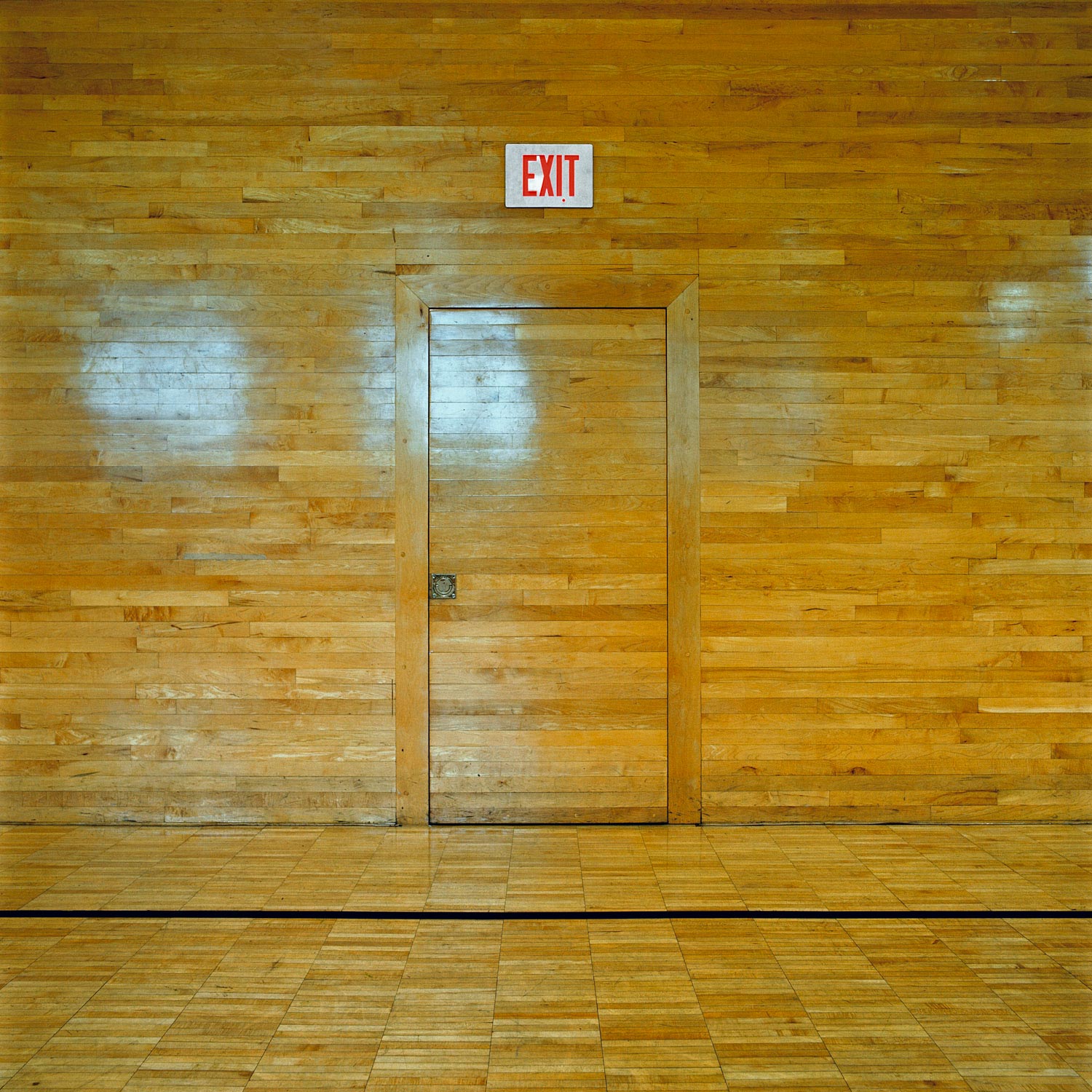
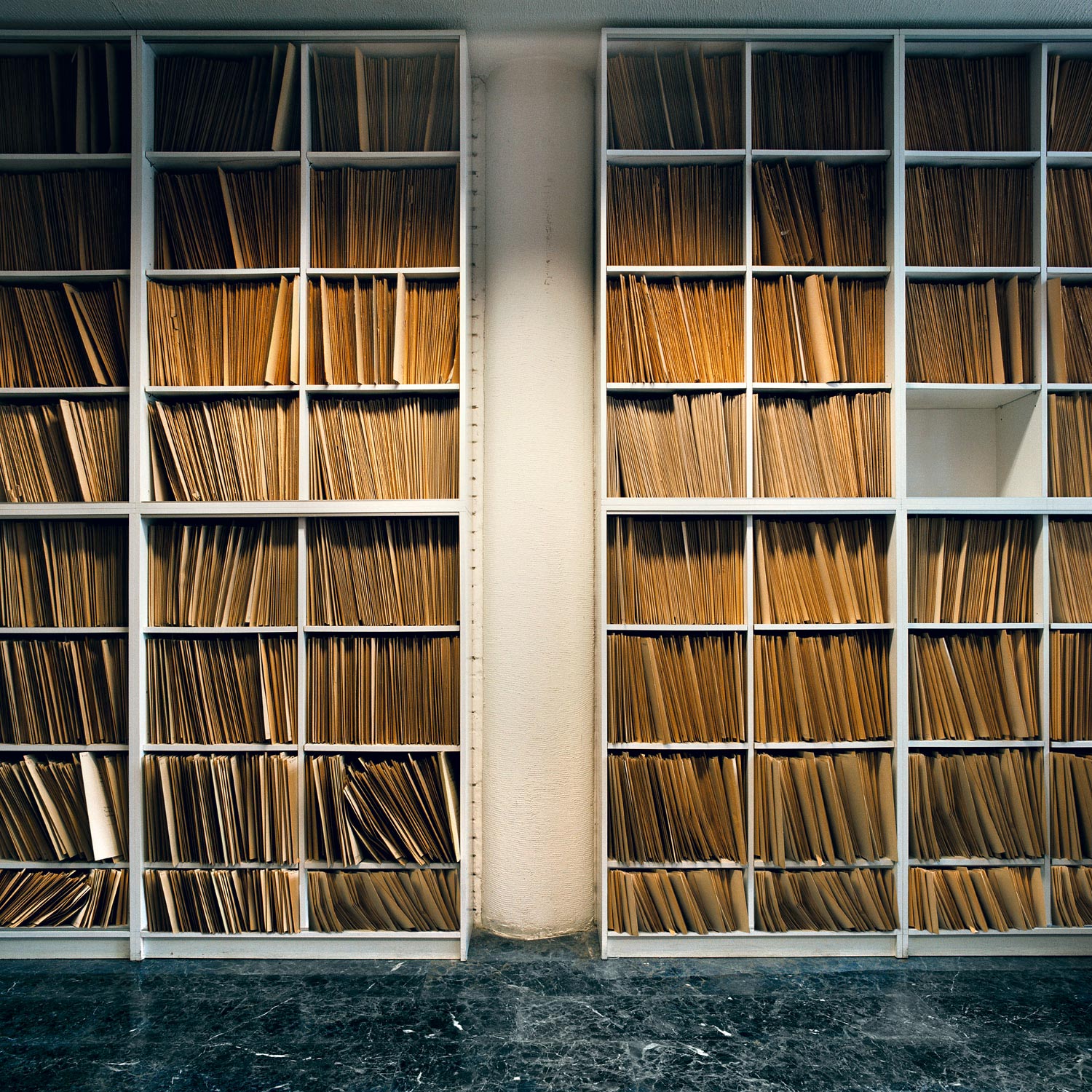
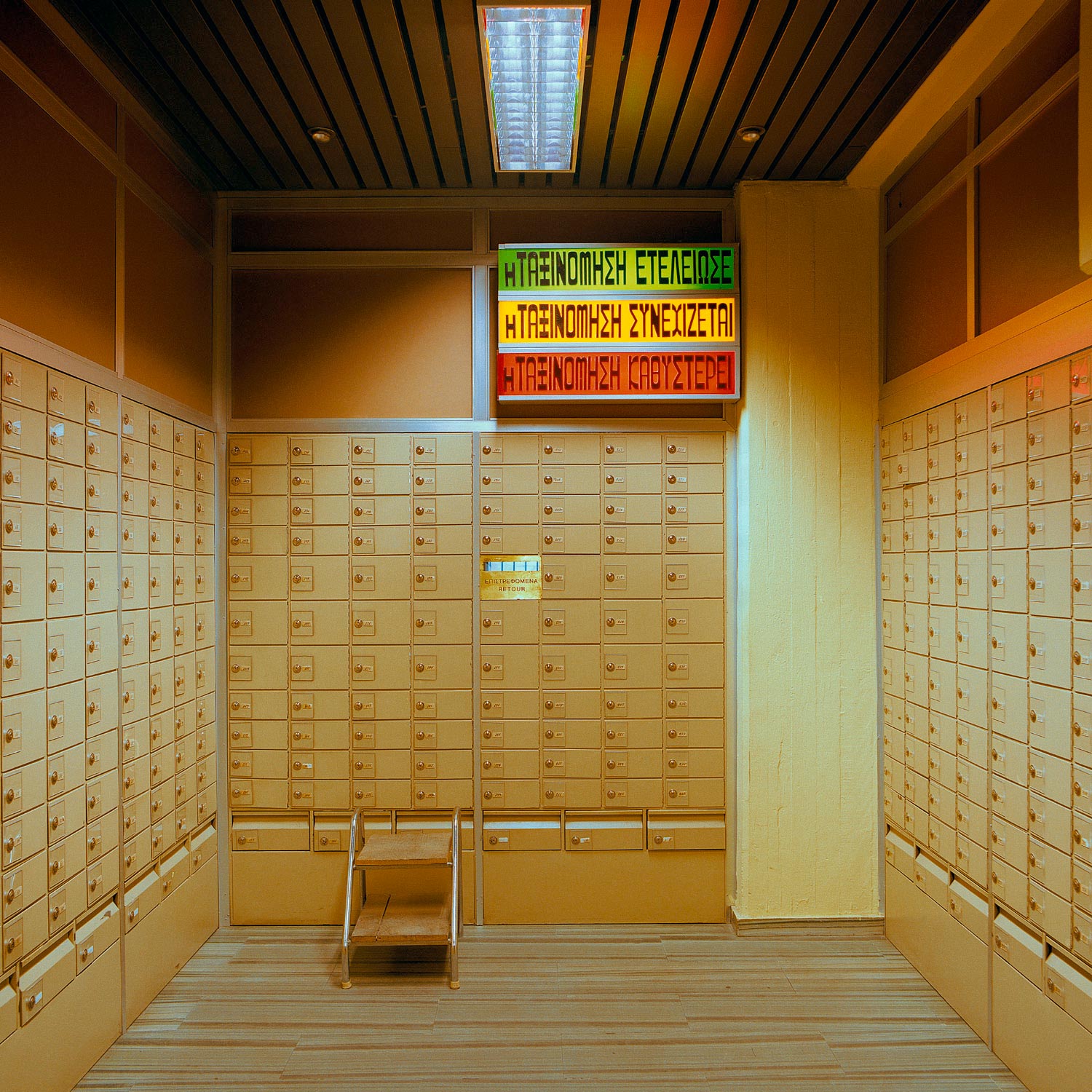
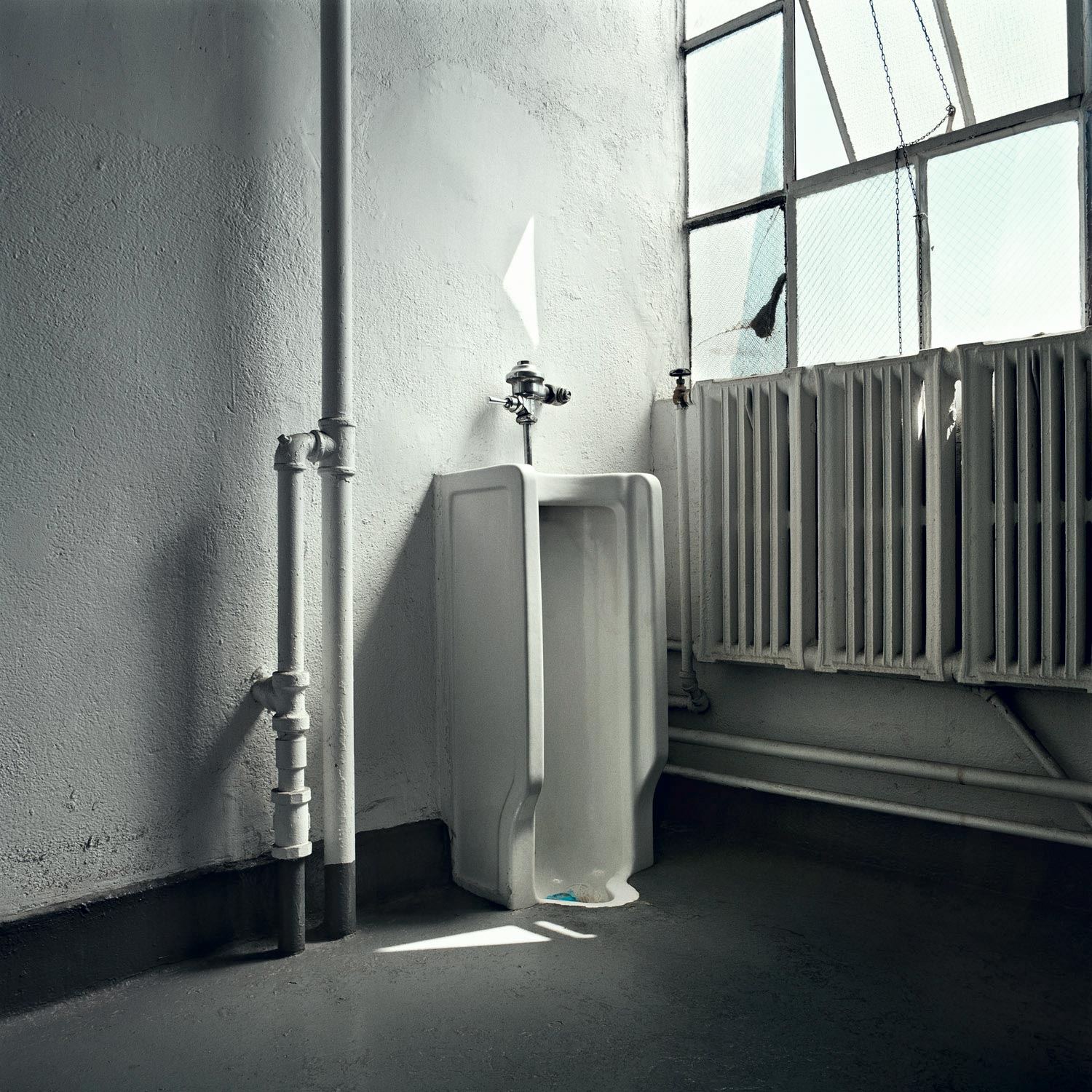
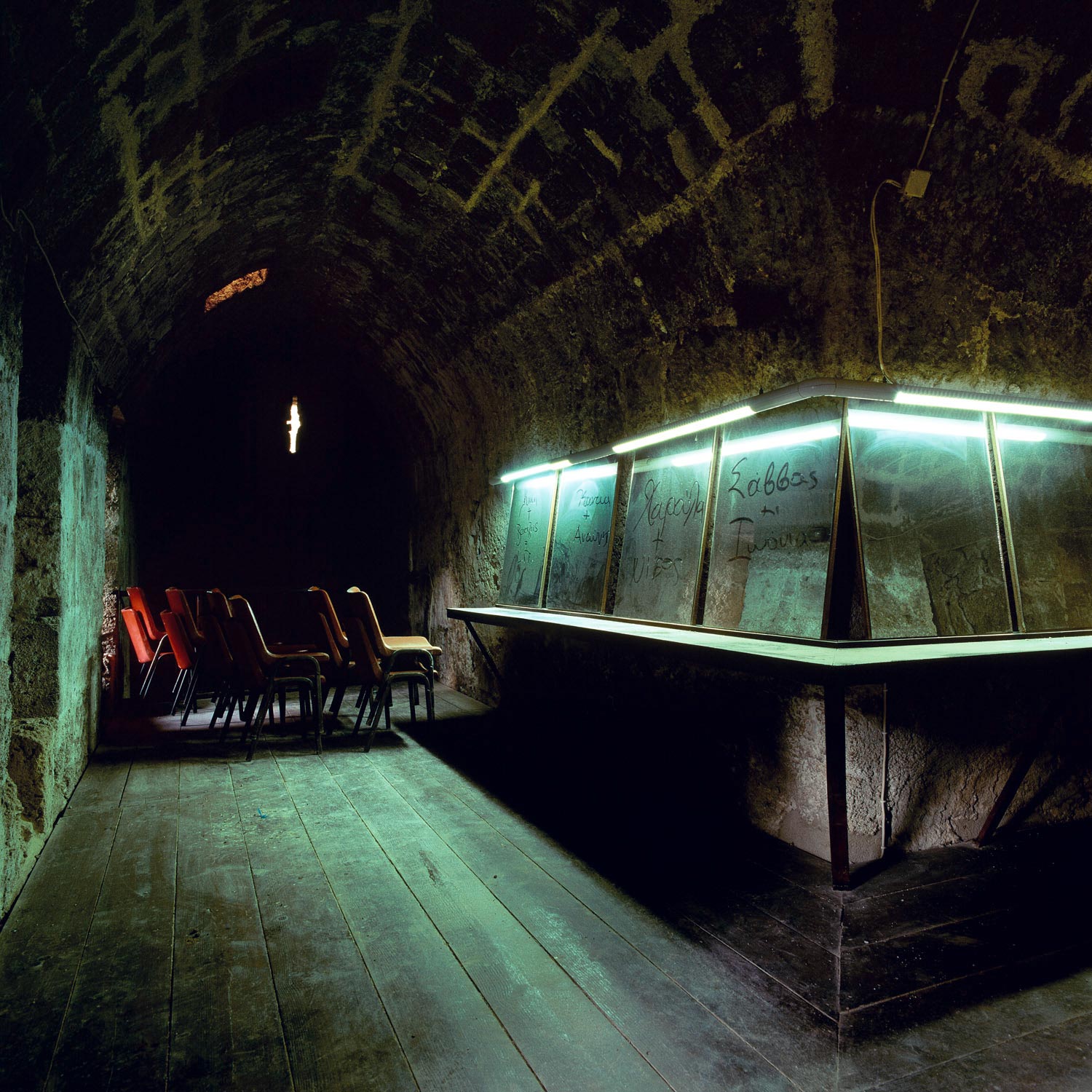
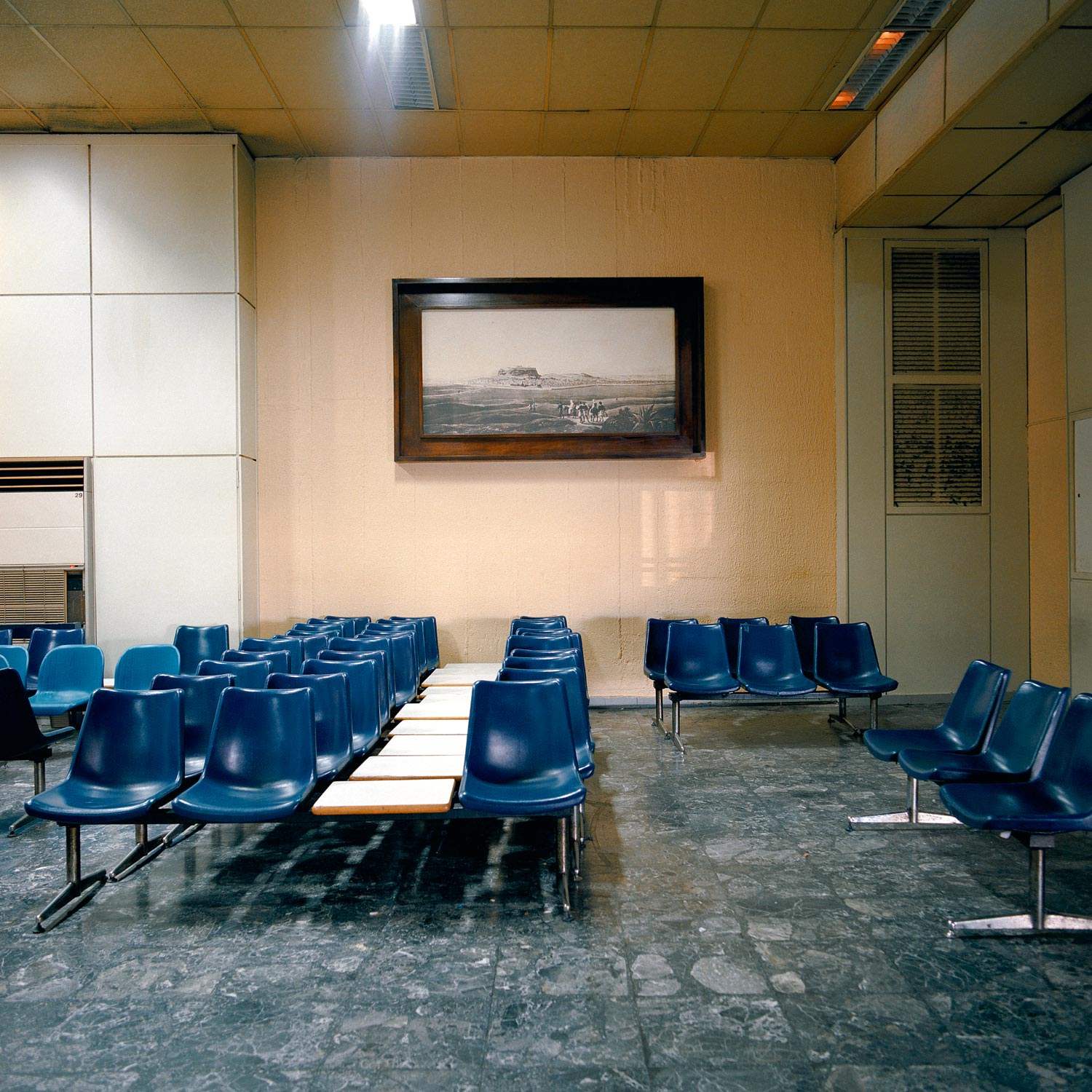
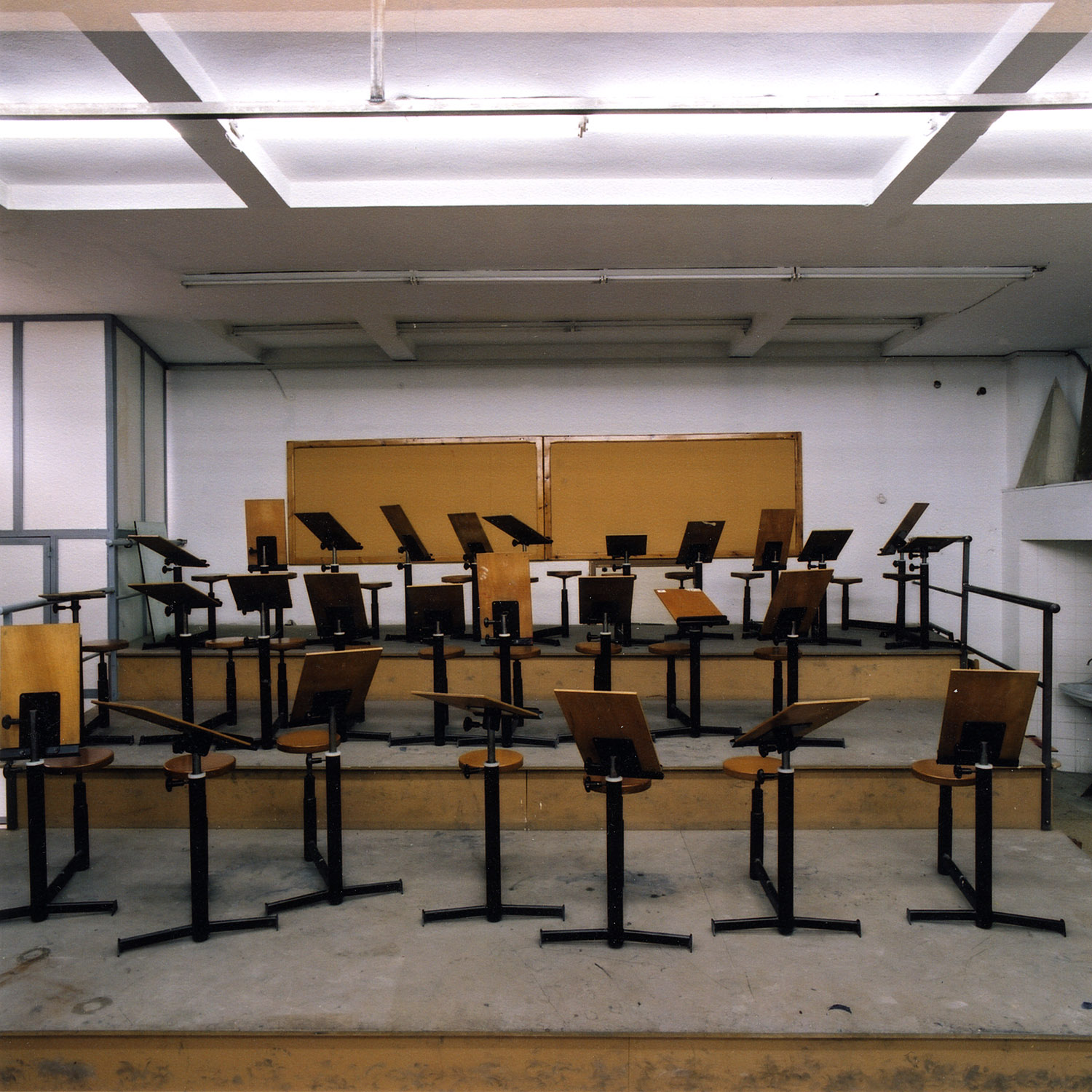
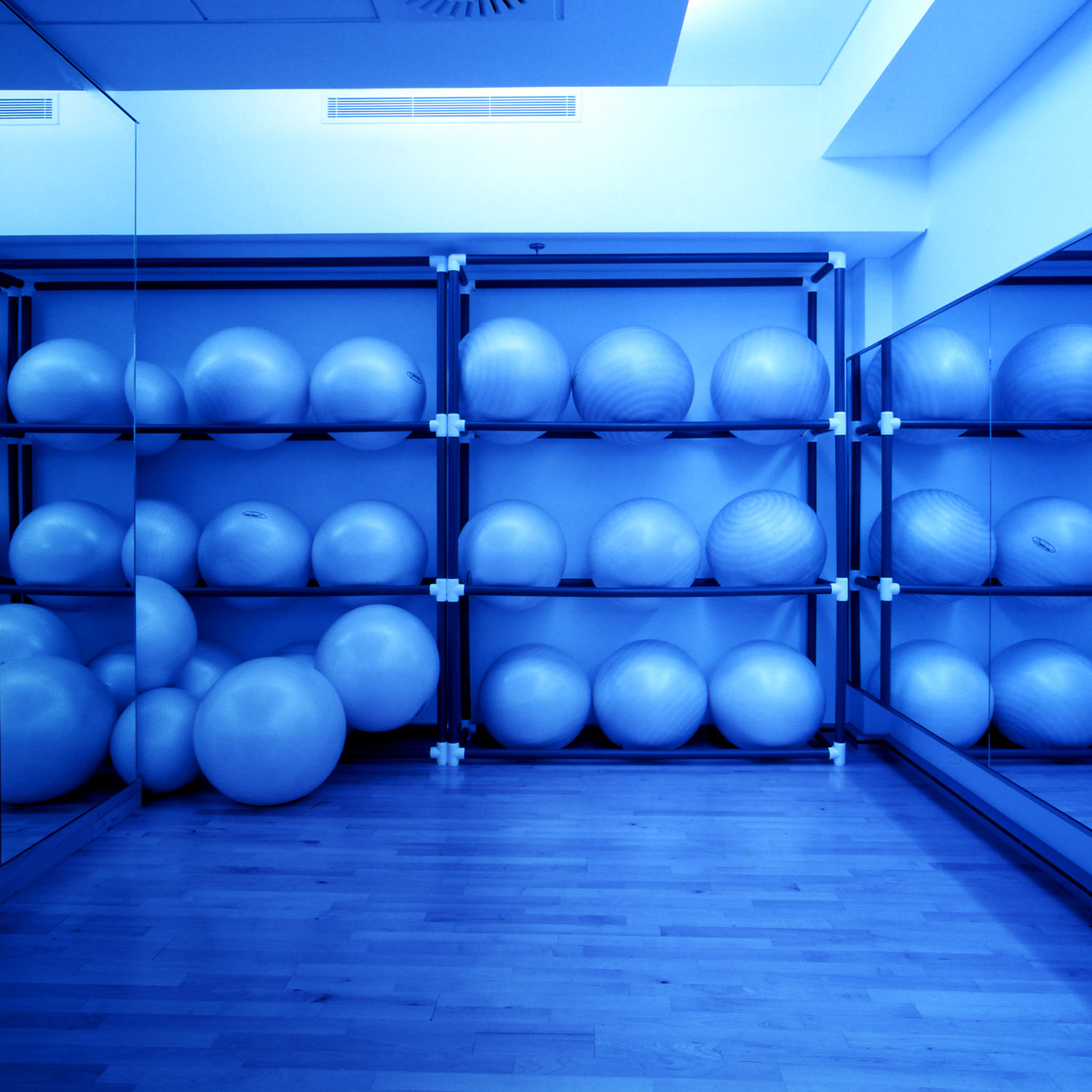
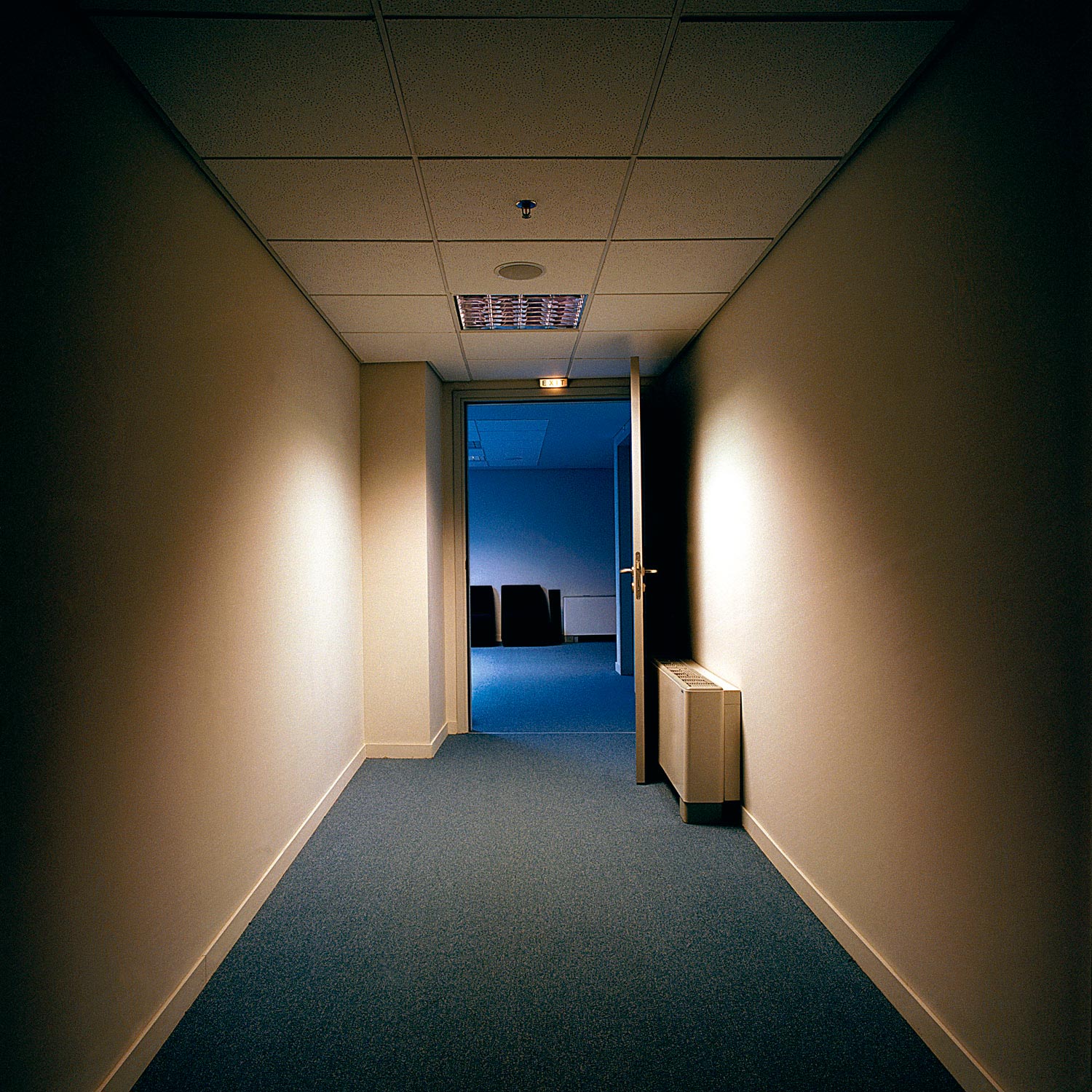
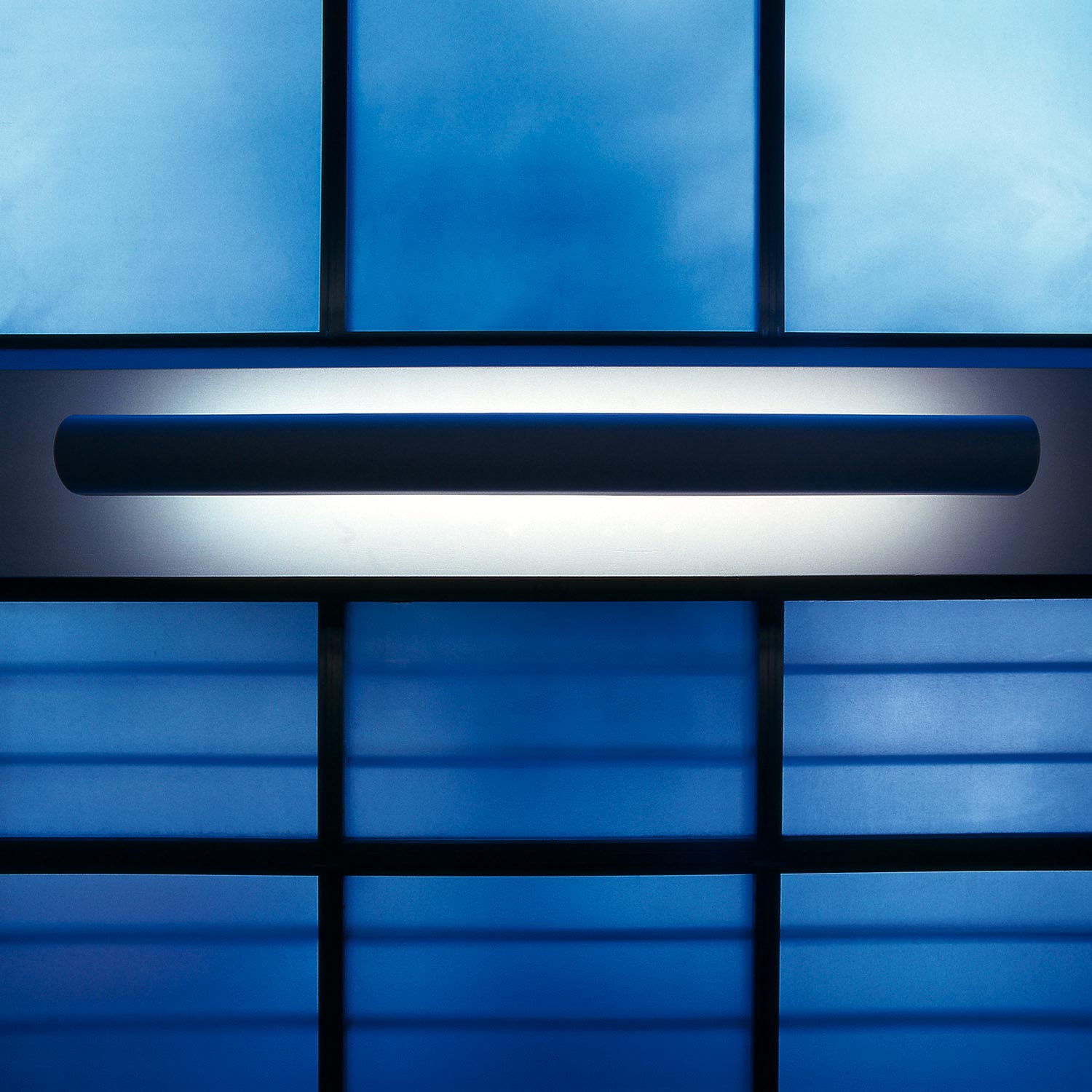
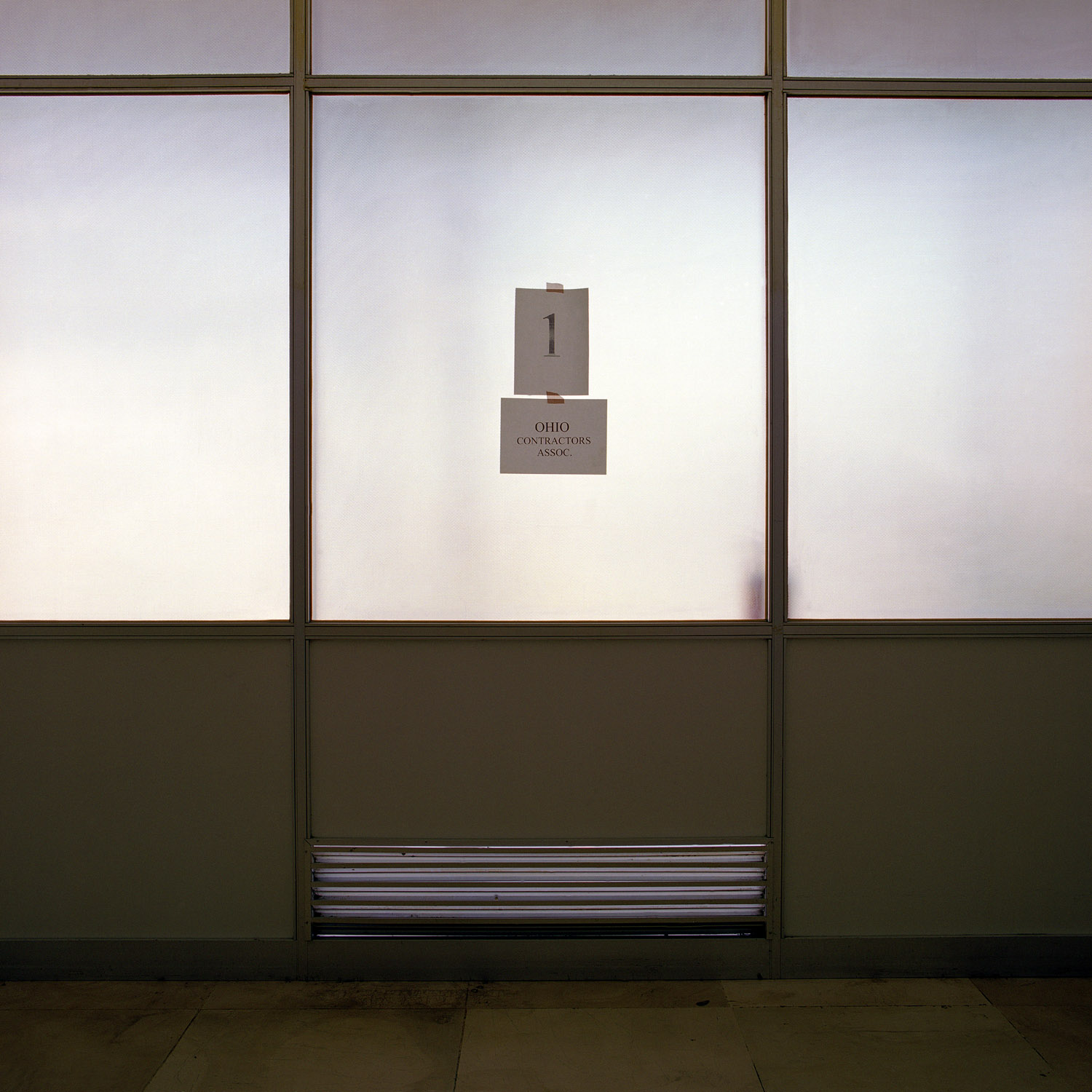
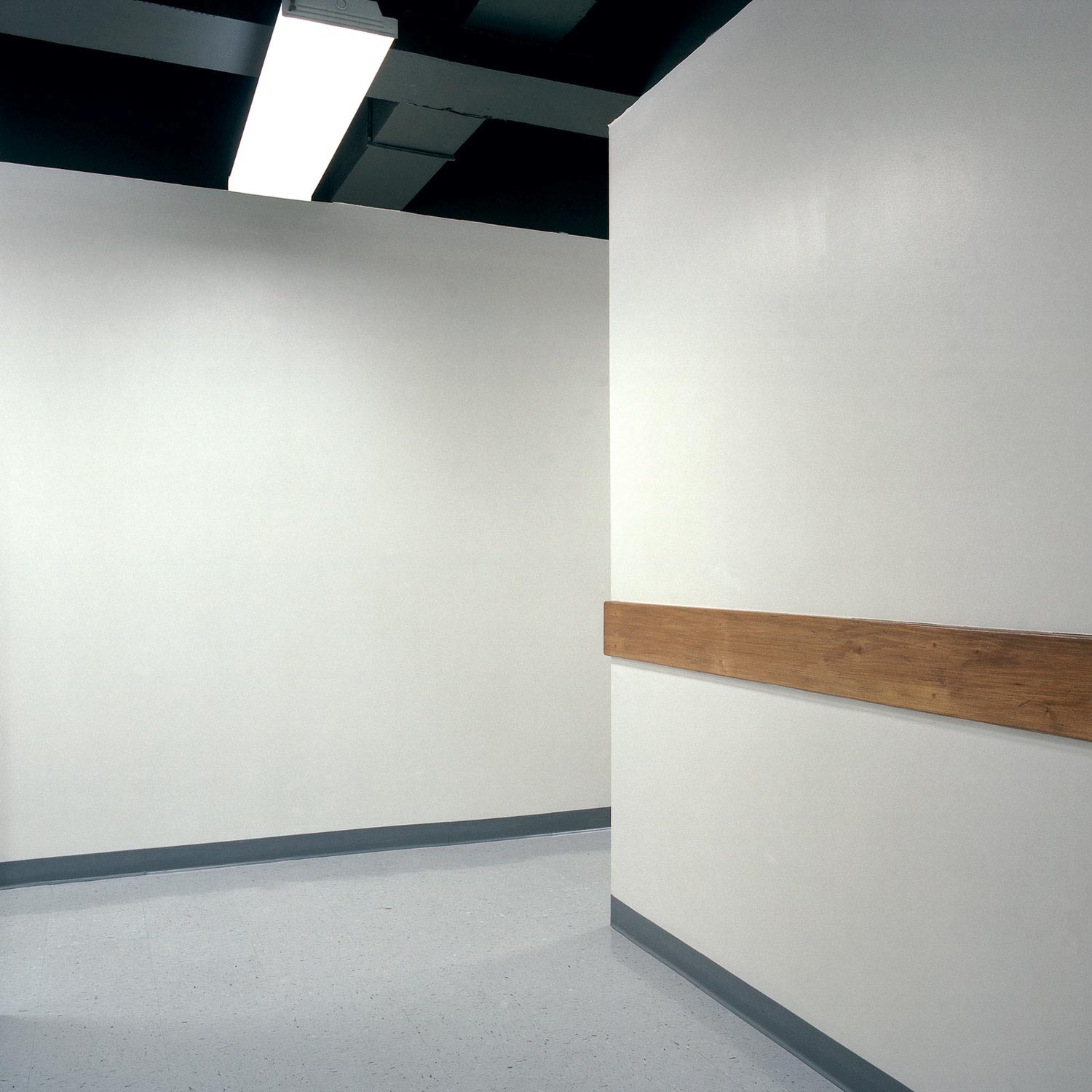
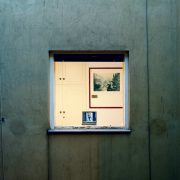
The Interim photographs are intermediate pauses in a journey where the path is more important than the final destination. They are taken during professional assignments right before or after their official version. This body of work was created in a continuing attempt to keep one’s gaze upon the subject-matter alive and intense, trying to avoid the repetition that experience often brings to one’s approach.
It is a constant hope and will remain a continuing wish to balance between capturing the aura of the moment and interpreting the spirit of the place. While experiencing light and shadow, volume and textures, the objects that occupy the space and the openings that make it transparent, one can wait for the moment when space unveils all its potential right in front of one’s eyes. Then, and only then can one reach the point where one moves away from the obvious approach and becomes strong enough to formulate one’s own proposal about the world laying out there.
Portfolio created: 2012
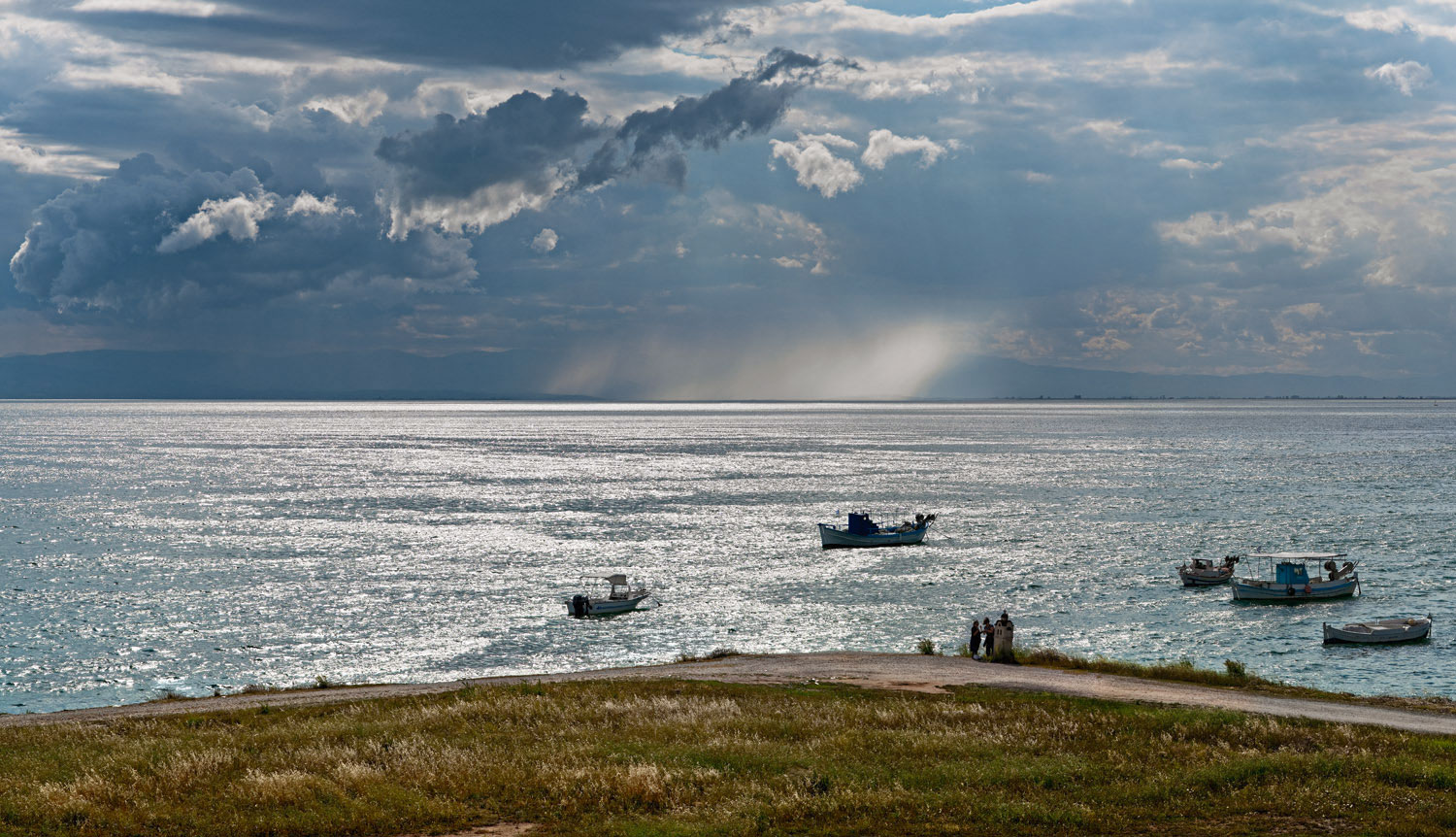
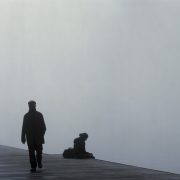
For three years now anger has been alternating with grief, shame with fear, while the horror of imminent disaster leaves us empty, staring into a void. For the past three years all conversations seem to have revolved around numbers and percentages, financial terms, acronyms in foreign languages, safe and unsafe liabilities, sustainable and unsustainable conditions, deals, accords, treaties, and so on.
Each and every one of us watches events unfold, silently, in front of the TV screen.
Yet, every day, even if for just a moment, something breaks through the harsh skin created by the fall and manages to penetrate deeper, bringing a little warmth to the day. It is something different for each of us: a friend’s concern, a pat on the back at work, solidarity and affection between partners. We long for intimacy in our private world; we take courage from our common destiny.
Way before we were told that Selective Default stands for financial bankruptcy, we were familiar with the term return to default settings. When something ceased to function, the only thing to do was to go back to basics, to return to what was essential.
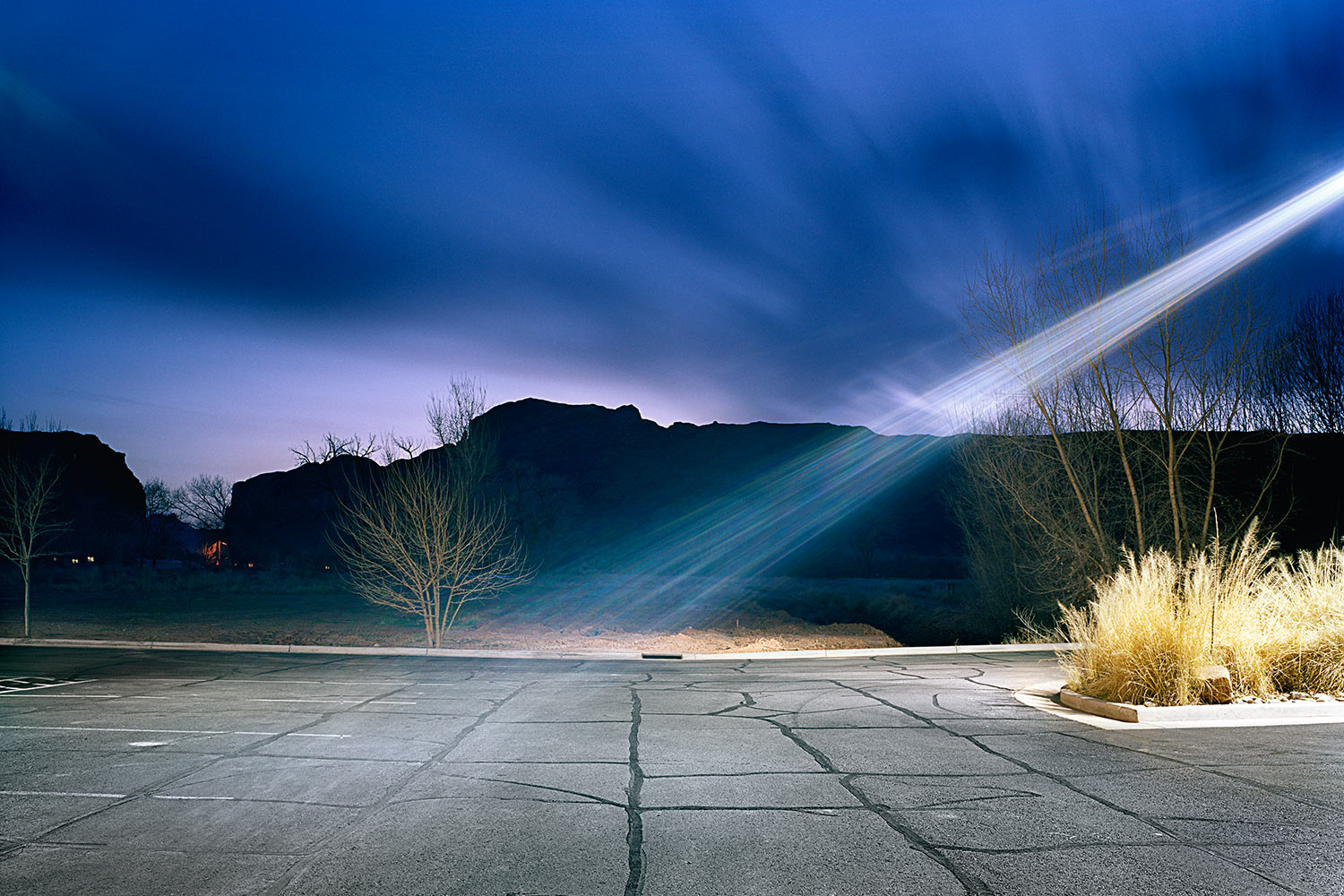
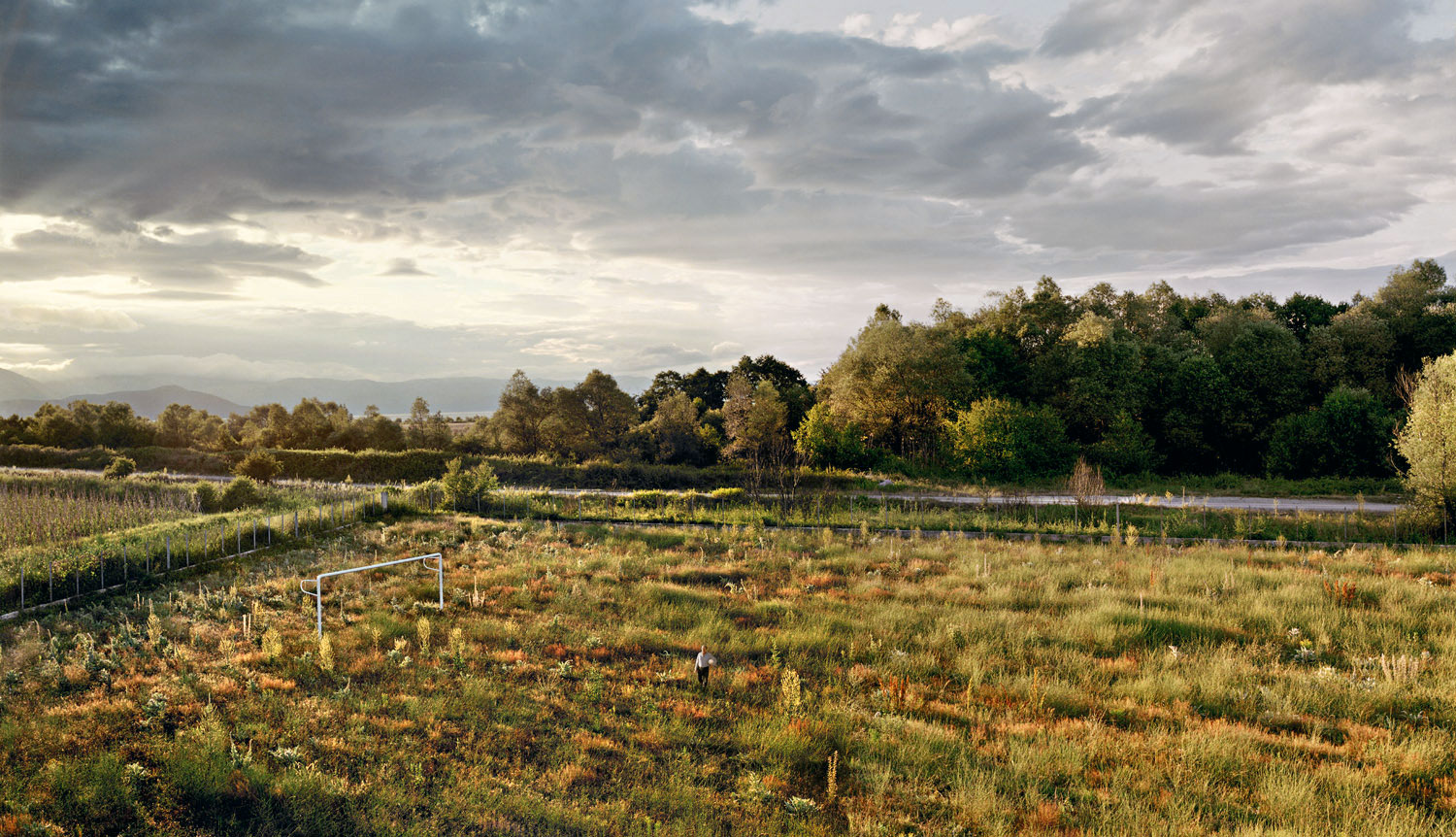
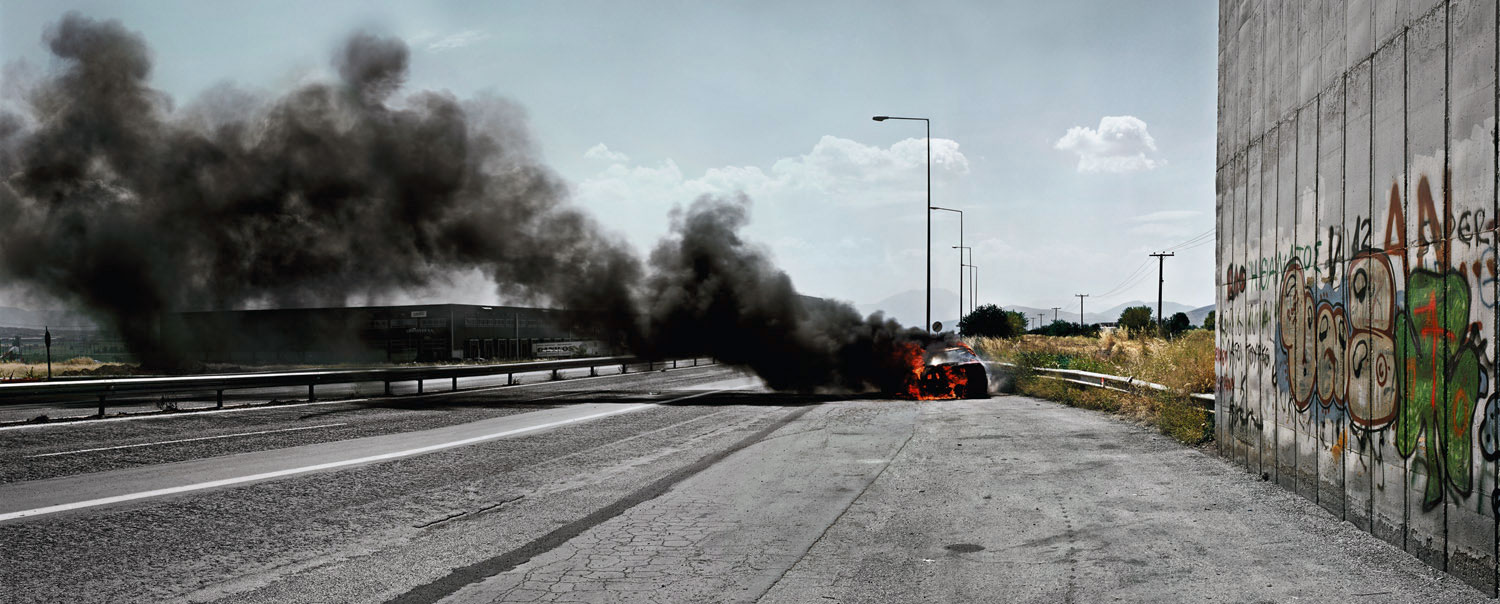
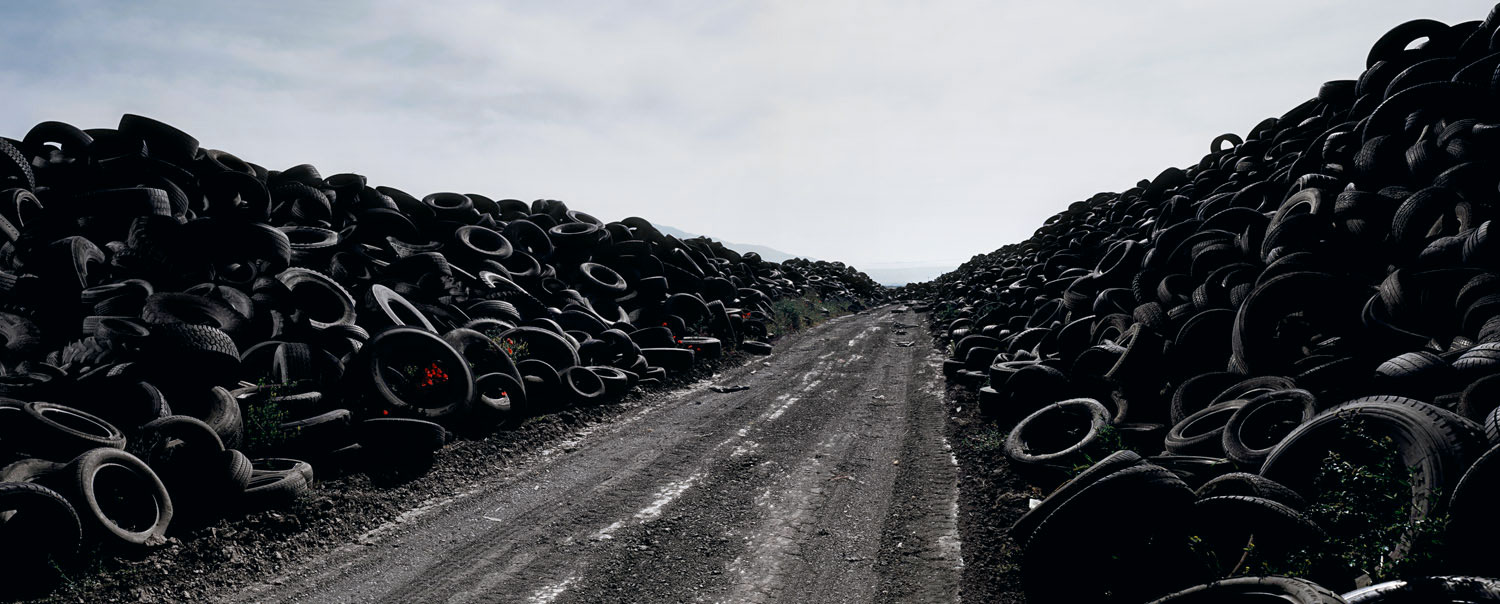
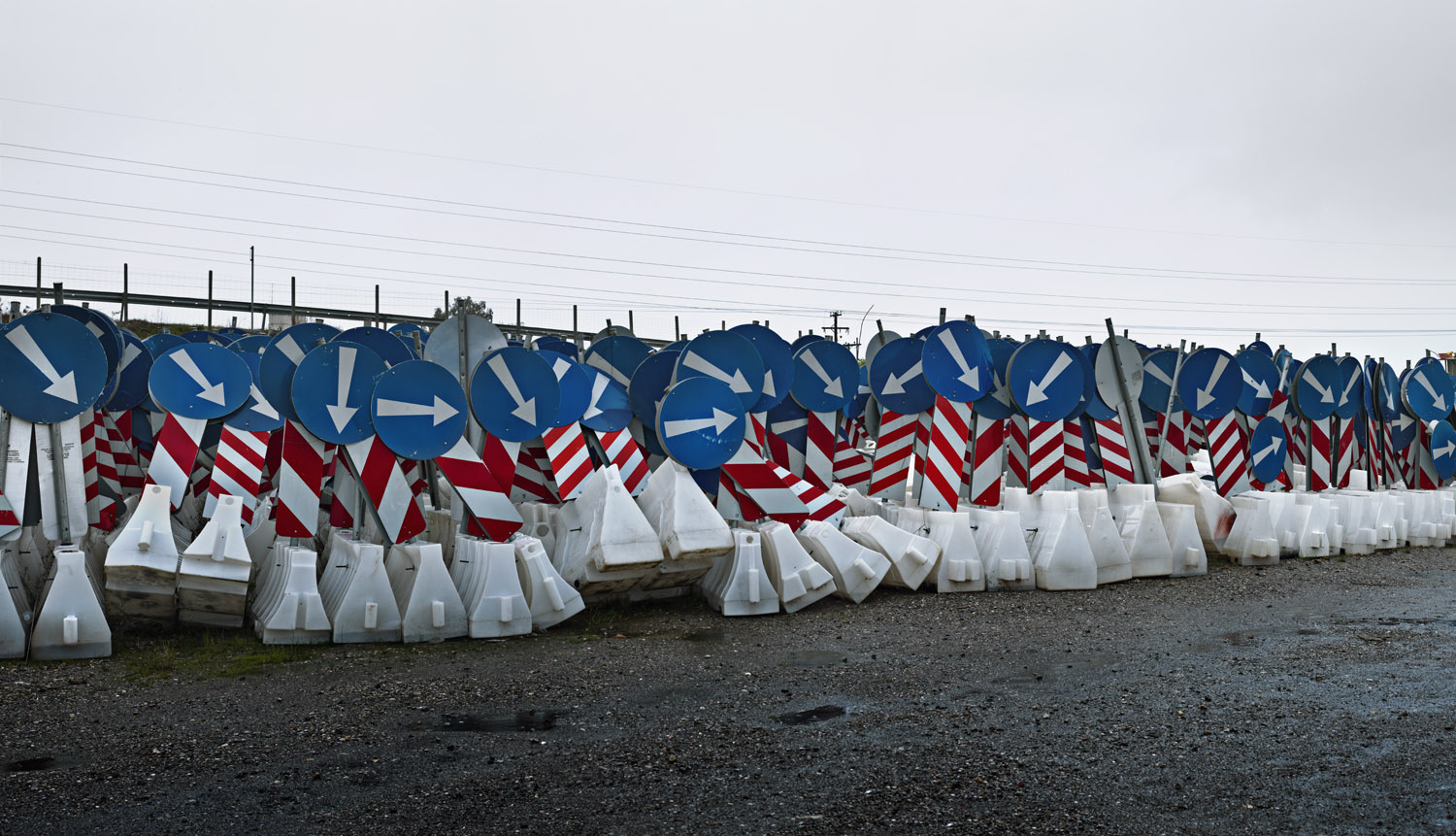
The landscapes presented in the project are portraits of a country under constant stress, faced with both financial and moral collapse. At the same time, they represent a return to the basic qualities that make this country what it is. They are my day and night, the reality I experience and the dream I hope for.
These landscapes are the country I, too, helped to bring to its knees – and the country I too need to rebuild from the beginning.
This is my country. I intend to stay.